Enhancing Your Garden Design with the Moss rose Plant: A Landscaping Guide
1
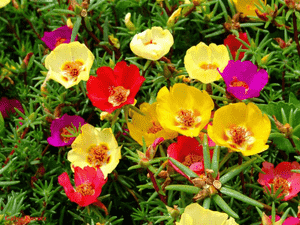
Portulaca grandiflora provides vivid hues that can enliven your garden.
2
Portulaca grandiflora flourishes in bright, sun-drenched spots, perfect for illuminating your outdoor space.
3
Combining Portulaca grandiflora with various plants can introduce visual interest and richness to your garden design.
Introducing Moss Rose to Your Landscape
Appreciating the charm of Moss rose in garden and outdoor aesthetics
For enhancing your garden or landscape's visual appeal, Moss rose is an excellent option. Renowned for its vivid and diverse colors, this plant injects vitality into any outdoor area. Its low-growing, spreading habit makes it perfect for ground cover, borders, or even hanging containers. The cheerful blossoms and succulent leaves of Moss rose make it a top pick for gardeners aiming to add a touch of whimsy and sophistication to their outdoor spaces.
The significance of color and form in enhancing outdoor environments
Color and structure are vital in landscape design, and Moss rose excels in both. Its flowers come in a spectrum of bright, captivating shades, including pinks, oranges, yellows, and reds. This vibrant palette can create stunning visual contrasts and focal points in your garden. Structurally, Moss rose's dense, mat-forming growth habit is ideal for filling gaps and providing a lush, textured backdrop for other plants. By integrating Moss rose into your landscape, you can achieve a more dynamic and harmonious outdoor setting.
Optimal Placement for Moss Rose's Visual Impact
Prime spots for planting Moss rose in various landscape designs
To maximize Moss rose's impact in your landscape, selecting the right locations is crucial. Moss rose thrives in full sun, making it perfect for bright, open garden areas. It also prefers well-drained soil, so consider planting it on slopes or in raised beds where drainage is optimal. This plant can be used effectively in rock gardens, where its vibrant blooms beautifully contrast with stones and gravel. Additionally, Moss rose can be planted along pathways or edges, where its spreading nature will create a colorful, living border.
Creating visual highlights with Moss rose in your garden
Establishing focal points in your yard can draw attention to specific areas and add visual interest to your landscape. An effective method is planting Moss rose in pots or hanging baskets. The bright, cascading flowers will create a stunning, eye-catching display. Alternatively, you can use Moss rose as a colorful ground cover around statues, garden benches, or water features. By strategically placing Moss rose in your landscape, you can accentuate your garden's best features and create a more inviting, unified outdoor space.
Combining Moss Rose with Other Flora
Ideal companion plants for Moss rose in a garden setting
Moss rose pairs well with various other plants, making it a versatile garden addition. Companion plants that thrive in similar sunny conditions include marigolds, zinnias, and petunias. These plants also offer a range of colors that can complement or contrast with Moss rose's vibrant blooms. When selecting companions, consider their growth habits. Taller plants can provide a striking backdrop for Moss rose, while low-growing varieties can help create a lush, layered effect.
How Moss rose complements diverse plant textures and hues
Moss rose's unique texture and vibrant colors make it an excellent companion for plants with contrasting foliage. For instance, pairing Moss rose with ornamental grasses or spiky succulents can create an intriguing textural contrast. The soft, delicate blooms of Moss rose can also complement the bold, architectural shapes of cacti and agaves. By mixing and matching different plant textures and hues, you can create a visually dynamic and engaging landscape that fully showcases Moss rose's beauty.
Seasonal Considerations for Moss Rose
Optimal planting times for Moss rose for best growth
Moss rose is a warm-weather plant that flourishes in sunny conditions, making spring and early summer the best times to plant it. Wait until after the last frost has passed and the soil has warmed before planting Moss rose in your garden. This will give the plant the best chance to establish and produce abundant blooms. In warmer climates, Moss rose can be planted year-round, but it may still benefit from spring planting when growing conditions are most favorable.
Maintaining Moss rose's vibrancy across different seasons
To keep Moss rose vibrant throughout the seasons, proper care and maintenance are crucial. During the growing season, water Moss rose regularly but avoid overwatering, as it prefers well-drained soil. Removing spent blooms (deadheading) encourages continuous flowering and keeps the plant looking neat. In cooler climates, Moss rose can be treated as an annual, with new plants added each spring. In milder regions, it may self-seed and return annually. With proper care, you can enjoy Moss rose's colorful blooms all season long.



