Enhancing Your Garden Design with the Quaking aspen Plant: A Landscaping Guide
1
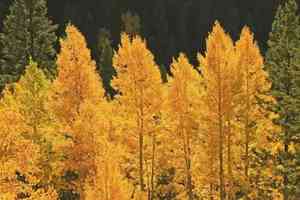
Quaking aspen offers outstanding seasonal appeal, as its foliage shifts from green to brilliant yellows and golds.
2
It draws in diverse wildlife, enhancing your garden's biodiversity and vibrancy.
3
Quaking aspen contributes to structural diversity in your garden because of its stature and broad canopy.
Grasping the Distinctive Charm of Quaking aspen
Visual Impact: How Quaking aspen influences garden aesthetics
Regarding its visual appeal, Quaking aspen stands out in any landscape design. Its slender, pale bark and delicate leaves that flutter with the slightest breeze create a lively visual presence. Their unique look can serve as focal points in expansive gardens or as captivating additions to smaller green areas. They not only offer a striking contrast to other plant species but also introduce texture and movement to your garden.
Seasonal Beauty: Examining its year-round visual contributions
Quaking aspen provides a spectacular display throughout all seasons. In spring and summer, its fresh green foliage catches the sunlight, producing a shimmering effect. By autumn, the leaves transform into various shades of yellow and gold, adding brilliant color to your garden. Even in winter, the tree's white bark contrasts beautifully with the snow, making it a year-round visual asset.
Wildlife Attraction: Discussing its role in local biodiversity
Beyond its aesthetic appeal, Quaking aspen acts as a magnet for wildlife. Birds, deer, and other creatures are naturally drawn to it. The tree offers a food source and shelter, contributing to your garden's overall biodiversity. By planting Quaking aspen, you're not just enhancing your landscape; you're also supporting local ecosystems and fostering a vibrant, bustling outdoor space.
Utilizing Quaking aspen To Establish Structural Diversity
Height and Width: Key considerations for planting Quaking aspen
When planning your landscape, it's crucial to consider the mature dimensions of Quaking aspen. This tree can reach up to 50 feet in height and spread its canopy widely, so ensure ample space for its full growth. Planting Quaking aspen in groupings can form natural screens or windbreaks, delineating different areas within your landscape. They also add vertical interest, breaking the uniformity of flat garden designs.
Shade Provision: Analyzing the shading capabilities of Quaking aspen
Quaking aspen excels at providing dappled shade due to its semi-transparent canopy. This makes it ideal for shading patios, pathways, or even delicate plants requiring protection from direct sunlight. The gentle shade offered by Quaking aspen can create comfortable outdoor areas while still allowing sufficient light for other plants to flourish beneath its canopy.
Optimal Placement of Quaking aspen in Your Garden
Assessing Soil and Sun Exposure
Before planting Quaking aspen, evaluate your garden's soil type and sunlight conditions. Quaking aspen prefers well-drained soil with a neutral to slightly acidic pH. It thrives in full sun to partial shade, so select a location that receives at least six hours of direct sunlight daily. Proper placement ensures healthy growth and minimizes future maintenance issues.
Proximity to Structures: Best practices
Consider the distance to buildings and other structures when planting Quaking aspen. Given its potential size, ensure sufficient space to prevent root interference with foundations or sewer lines. Planting Quaking aspen at least 15-20 feet away from structures minimizes risks and allows the tree to grow freely without causing damage.
Common Challenges When Landscaping with Quaking aspen
|Space Requirements: Managing growth and spread
One of the challenges of landscaping with Quaking aspen is controlling its growth and spread. The tree tends to produce suckers, resulting in a cluster of new shoots around its base. Regular pruning and careful monitoring can help manage this issue, keeping your landscape tidy and controlled.
Soil Compatibility: Understanding the preferences of Quaking aspen
Quaking aspen is somewhat particular about soil conditions. It prefers moist, well-drained soil but can tolerate a range of soil types. Ensuring optimal soil conditions can be challenging, but with proper preparation and ongoing care, you can create an ideal environment for Quaking aspen to thrive. Regular mulching and watering during dry periods can help maintain the soil moisture levels this tree requires.



