Enhancing Your Garden Design with the European aspen Plant: A Landscaping Guide
1
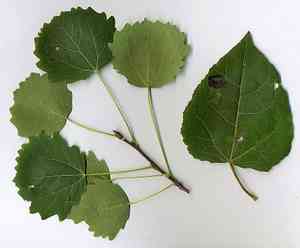
The European aspen enhances aesthetic appeal through its unique form and vibrant leaves.
2
European aspen flourishes in diverse soil conditions, offering adaptability for various landscape designs.
3
Introducing European aspen can enrich local ecosystems by offering shelter for native animals.
Introducing European Aspen to Your Garden
Why Select European Aspen for Landscaping?
Opting for European aspen in your landscape design offers numerous advantages. This tree not only provides a distinct visual appeal with its unique bark and shimmering foliage but also exhibits resilience, flourishing across diverse environmental conditions. Its rapid growth rate means it can quickly enhance your garden's appearance, adding height and a dense canopy. Furthermore, European aspen requires relatively little upkeep, making it an excellent choice for both new and experienced gardeners.
Ideal Placements for European Aspen in Your Garden
To ensure European aspen thrives in your garden, proper placement is crucial. This tree prefers well-drained soil and ample sunlight, making open garden areas perfect. Additionally, European aspen can serve as an effective windbreak when planted along your garden's edge. Avoid positioning European aspen too close to buildings or other structures to allow it sufficient room for full development.
Design Concepts Utilizing European Aspen
Establishing Focal Points with European Aspen
Using European aspen as a focal point can capture attention and establish a central theme in your garden layout. Its impressive height and attractive leaves are ideal for creating a centerpiece. Surround European aspen with groundcover plants or position it near your garden's seating area to amplify its natural beauty and foster a tranquil atmosphere.
Complementary Plants and Materials for European Aspen
Pairing European aspen with suitable plants and materials can create a harmonious and unified garden aesthetic. Consider underplanting it with shade-loving shrubs and perennials such as hostas or ferns. Alternatively, grasses like Miscanthus or other ornamental grasses offer contrasting textures. Incorporating natural elements like stone or wooden benches around European aspen can enhance its natural setting and create an inviting garden space.
Maintaining the Aesthetic Appeal of European Aspen
Seasonal Considerations for European Aspen
To keep European aspen looking its best year-round, be mindful of seasonal changes and maintenance requirements. In spring, ensure the soil remains moist through consistent watering. During summer, watch for signs of drought stress, such as wilting leaves. In autumn, European aspen's leaves transform into a stunning yellow hue, adding vibrant color to your garden. Winter necessitates checking the tree for any snow or ice damage and pruning any broken branches.
Long-Term Growth and Development of European Aspen
Planning for the long-term growth of European aspen ensures it continues to enhance your garden for many years. Regular pruning helps maintain its form and prevents overcrowding. Fertilizing in early spring can encourage vigorous growth. Additionally, monitoring for pests and diseases is vital to keep European aspen healthy and flourishing. By following these steps, you can enjoy the beauty and benefits of European aspen for an extended period.
Environmental Impact of Planting European Aspen
Benefits of European Aspen on Local Biodiversity
Planting European aspen positively influences local biodiversity by providing habitats and food sources for various wildlife. Birds are drawn to the tree for nesting and feeding on insects found on its leaves and bark. Furthermore, European aspen supports a range of insects and pollinators, contributing to a healthy and balanced ecosystem in your garden.
How European Aspen Supports Eco-Sustainable Landscaping
Incorporating European aspen into your garden landscape promotes eco-sustainable practices. The tree's ability to grow in diverse soil types and conditions reduces the need for chemical fertilizers and pesticides, encouraging a more natural gardening approach. Moreover, European aspen's extensive root system helps prevent soil erosion, contributing to soil health and water conservation. By planting European aspen, you're not only enhancing your garden's beauty but also taking steps towards a more sustainable future.



