Enhancing Your Garden Design with the Simon's poplar Plant: A Landscaping Guide
1
Simon's poplar contributes both aesthetic charm and practical advantages to an outdoor space.
2
Choosing an appropriate site for Simon's poplar guarantees its best development and lifespan.
3
Given adequate care, Simon's poplar will flourish and enrich your garden for an extended period.
An Introduction to Incorporating Simon's Poplar into Landscape Design
The visual appeal of Simon's poplar
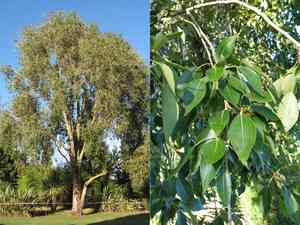
A primary justification for considering Simon's poplar in your landscape scheme is its undeniable visual charm. Standing tall with a distinct form, Simon's poplar introduces a unique texture and structure to any garden. Its leaves gently sway in the breeze, creating a calming visual and auditory experience. Furthermore, the bark of Simon's poplar offers a striking element throughout the seasons, providing visual interest even during the dormant winter months. Whether as a focal point or part of a broader horticultural arrangement, Simon's poplar can transform your garden into a picturesque sanctuary.
General advantages of including Simon's poplar in your garden
Beyond its beauty, Simon's poplar offers numerous practical benefits. It is recognized for its rapid development, making it an excellent option for quickly providing shade and seclusion. This swift growth also means it can effectively act as a windbreak, lessening the impact of strong winds on other plants and structures in your garden. Simon's poplar is also a resilient species, often resistant to common pests and diseases, which reduces the need for chemical treatments and positions it as an eco-friendly choice.
Choosing the Optimal Site for Simon's Poplar in Your Landscape
Assessing sunlight and shade for prime growth
Carefully positioning Simon's poplar is vital for ensuring its healthy development. It prefers locations with ample sun, though it can endure partial shade. When selecting a spot, observe the area throughout the day to confirm that your chosen location receives sufficient sunlight, ideally 6-8 hours of direct sun. Placing Simon's poplar in the correct spot will not only boost its growth rate but also maximize its visual impact by allowing it to fully display its beautiful foliage.
Considering soil types and drainage capabilities
Soil quality and water drainage are crucial elements for the well-being of Simon's poplar. It flourishes in well-drained soils and can adapt to various soil types as long as they are not waterlogged. Before planting, it's advisable to test your soil's drainage by digging a small hole and filling it with water to observe how quickly it drains. Amend the soil with organic matter if necessary to ensure good drainage and fertility. This preparation can help secure robust and vigorous growth for your Simon's poplar.
Integrating Simon's Poplar into Diverse Landscape Designs
Traditional garden environments
Simon's poplar seamlessly integrates into traditional landscape designs. It can be utilized to line driveways, creating an elegant pathway that greets visitors with its striking appearance. In a more rustic setting, Simon's poplar can serve as an excellent centerpiece in a large lawn, offering shade and a focal point for garden activities. Its classic form harmonizes well with other traditional garden elements like perennial flower beds and neatly trimmed hedges.
Contemporary garden arrangements
For those who favor modern garden designs, Simon's poplar adds a touch of sophistication and grace. It pairs beautifully with minimalist layouts, where its elegant lines contrast with geometric hardscapes. Planting Simon's poplar in clusters can also create a dynamic architectural effect, breaking the monotony of a sleek, modern garden. Whether planted as part of a contemporary zen garden or alongside chic outdoor furniture, Simon's poplar can provide a natural yet stylish accent.
Application in public or expansive areas
In public parks or large commercial landscapes, Simon's poplar offers practical and aesthetic benefits. Its rapid growth makes it ideal for quickly establishing new green spaces, and its height and form can create impressive vistas. Simon's poplar can be used to form natural boundaries or as part of mixed planting schemes to add variety and interest. Its resilience to different environmental conditions also makes it a reliable choice for urban settings, where pollution and varying soil conditions can challenge less hardy species.
Maintenance Guidelines for Simon's Poplar in Your Landscape
Seasonal care considerations
Maintaining Simon's poplar requires seasonal attention to ensure its ongoing health and development. In spring, inspect for any indications of pest activity and address them promptly. During the summer, ensure sufficient watering, especially during dry periods, to maintain soil moisture levels. Autumn is the time to clear fallen leaves and prepare the tree for winter by applying mulch around its base to protect the roots from frost. Pruning should be carried out in late winter or early spring before new growth begins, to maintain its shape and remove any damaged branches.
Long-term health and development of Simon's poplar
For the enduring vitality of Simon's poplar, regular pruning and fertilization are essential. A balanced, slow-release fertilizer applied in early spring can supply the necessary nutrients for robust growth. Additionally, periodic soil testing can help you adjust nutrient inputs as needed. Monitor the tree regularly for any signs of disease or nutrient deficiency, such as discolored leaves or stunted growth, and respond quickly to these issues. With proper care, Simon's poplar can be a lasting, thriving component of your landscape.
Landscaping Projects Featuring Simon's Poplar: Real-World Examples
Case studies from residential properties
In residential landscaping, Simon's poplar has been utilized with great success. For instance, one homeowner transformed a previously barren backyard into a lush, inviting space by planting a row of Simon's poplar along the property line. This not only provided privacy but also significantly reduced wind impact, creating a more comfortable outdoor area. In another instance, Simon's poplar was the central feature in a suburban garden redesign, offering shade and a natural gathering spot for family activities.
Commercial landscaping achievements
Commercial landscapes have also benefited from the inclusion of Simon's poplar. A notable example is a corporate park that integrated Simon's poplar into its garden design to provide a tranquil, green space for employees. The fast-growing nature of Simon's poplar created a dense canopy that enhances the outdoor break areas and contributes to employee well-being. Another successful project involved a shopping center where Simon's poplars were planted throughout the parking area, providing shade and reducing the heat island effect, making the environment more pleasant for visitors.



