Enhancing Your Garden Design with the Black poplar Plant: A Landscaping Guide
1
Black poplar greatly improves your landscape's look through its distinct form and seasonal transformations.
2
Crucial to assess light and ground needs when choosing a Black poplar planting site.
3
Correct trimming and seasonal upkeep are key to preserving Black poplar's health and attractiveness in your yard.
Understanding the Role of Black poplar in Landscaping
Impact of Black poplar on Aesthetic Appeal
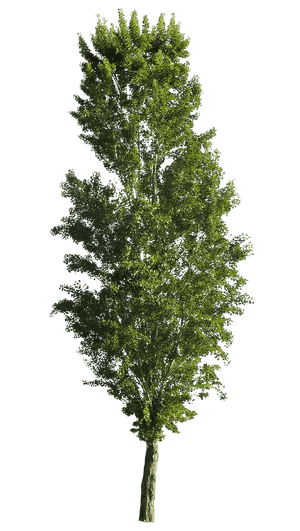
A primary reason to integrate Black poplar into your landscape design is its striking visual charm. The tall, majestic form of Black poplar naturally captures attention, adding an element of grandeur to any garden. With its imposing presence and distinct bark, Black poplar demands notice, serving as a central point around which other garden features can be arranged. Whether standing alone as a focal point or grouped with other plants, Black poplar enhances the visual structure of outdoor areas.
How Black poplar Affects Local Biodiversity
Beyond its visual charm, Black poplar plays a vital role in supporting local biodiversity. This tree provides a habitat for various birds, insects, and small mammals, thereby fostering an ecosystem within your garden. Its leaves and flowers attract pollinators like bees and butterflies, contributing to the health of nearby flora. Furthermore, the root system of Black poplar can help prevent soil erosion, thus maintaining the integrity of your landscape over time. By planting Black poplar, you're not just beautifying your garden, but also contributing to ecological stability.
Seasonal Changes and Their Visual Impact
One of the most captivating aspects of Black poplar is its seasonal transformations. In spring and summer, its dense foliage offers ample shade and a deep green backdrop for other flowering plants. In autumn, Black poplar's leaves often turn vibrant shades of yellow, orange, and even gold, providing a stunning visual display. Even in winter, the bare branches of Black poplar can create a dramatic, almost sculptural effect against a snowy backdrop. These seasonal changes ensure Black poplar remains a dynamic and evolving feature in your garden throughout the year.
Strategic Planting Locations for Black poplar
Best Spots for Maximum Beauty
Selecting the optimal location for Black poplar is crucial to maximize its beauty and advantages. Placing Black poplar at the end of paths or along garden borders can create stunning views and natural framing for your property. Gardens with larger open spaces can use Black poplar as a central feature, providing symmetry and balance. Additionally, planting Black poplar near patios or outdoor seating areas can offer natural shade, making these spots more comfortable and visually pleasing.
Considering Sunlight and Soil Requirements
When choosing a planting site, it's important to consider Black poplar's sunlight and soil needs. This tree thrives best in areas with full to partial sunlight, requiring at least six hours of direct sun daily. The soil should be well-drained and moderately fertile to support optimal growth. Testing the soil pH beforehand can be helpful, as Black poplar prefers slightly acidic to neutral conditions. Proper site selection based on these criteria will ensure Black poplar remains healthy and vibrant.
Avoiding Common Planting Mistakes
Avoiding typical planting errors can save you time and effort in the long run. A frequent mistake is planting Black poplar too close to buildings or other structures, which can lead to root damage and conflicts as the tree matures. Another error is neglecting proper spacing between Black poplar and other trees, leading to competition for nutrients and sunlight. Lastly, not accounting for the mature size of Black poplar could mean unnecessary pruning or even removal later. Thoughtful planning from the start will prevent these common issues.
Complementary Plants for Black poplar in Landscape Arrangements
Harmonizing Colors and Textures
To create a visually appealing garden, harmonizing colors and textures is essential. Pairing the dark, rugged bark of Black poplar with plants that have soft, lighter foliage or brightly colored flowers can create striking contrasts. Consider adding plants with varying leaf shapes and sizes to contribute to textural richness. This careful selection can craft a visually stimulating garden that highlights Black poplar's unique characteristics while creating a unified look.
Timing Blooms for Continuous Appeal
A well-planned garden ensures continuous visual interest throughout the growing season. By selecting plants that bloom at different times, you can ensure there is always something in flower to enhance Black poplar's beauty. Early spring bulbs, mid-summer perennials, and late-blooming annuals can be strategically planted around Black poplar to maintain an ever-changing tapestry of color and form. Coordinating bloom times creates a dynamic, living landscape.
Long-Term Maintenance and Growth Management of Black poplar
Pruning Techniques
Pruning is vital for maintaining Black poplar's shape, health, and safety. Regular pruning helps remove dead or diseased branches, promotes better air circulation, and shapes the tree to fit your garden design. It's best to prune Black poplar in late winter or early spring before new growth begins. Using clean, sharp pruning tools and making precise cuts will ensure the tree heals quickly and continues to thrive.
Seasonal Care Tips
Each season brings specific care requirements for Black poplar. In spring, apply mulch to retain moisture and suppress weeds. Throughout summer, regular watering is crucial, especially during dry periods. Fall is a good time to inspect for pests and diseases, and to clean up fallen leaves to prevent fungal issues. Winter protection, such as wrapping the trunk in burlap, can shield young trees from severe cold and wind damage. These seasonal tasks help keep Black poplar healthy year-round.
Monitoring Health and Growth
Consistent monitoring of Black poplar is key to ensuring its ongoing health and growth. Regularly check for signs of stress such as yellowing leaves, unusual growth patterns, or the presence of pests. Soil testing every few years can determine if additional nutrients are necessary. If issues arise, addressing them promptly with the right treatments can prevent minor problems from becoming major concerns. Keeping a garden journal to track observations and care tasks can be incredibly beneficial in managing Black poplar's long-term health.



