Enhancing Your Garden Design with the Eastern cottonwood Plant: A Landscaping Guide
1
Introducing Eastern cottonwood can greatly improve the aesthetic quality of any outdoor area.
2
Eastern cottonwood offers crucial ecological advantages, supporting regional biodiversity.
3
Thoughtfully placing Eastern cottonwood can aid in optimizing illumination, area, and general landscape layout.
Introducing Eastern Cottonwood in Landscape Design
Overview of Eastern Cottonwood as a landscaping option
Choosing to include Eastern Cottonwood in your landscape plan can be very rewarding. Known for its impressive presence and rapid growth, this tree adds a dynamic and visually appealing element to any garden or yard. These trees can reach heights of up to 100 feet, becoming a dominant feature that offers both shade and an elegant vertical dimension. Perfect for both homes and larger properties, Eastern Cottonwood integrates well with various other plants, making it a versatile and valuable addition to your garden schemes.
The popularity of Eastern Cottonwood among landscape professionals
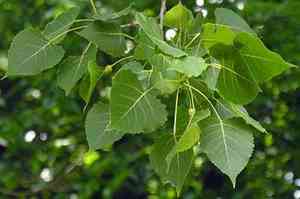
Landscape designers often select Eastern Cottonwood for its unique blend of beauty and utility. Its broad, triangular leaves form a lush canopy that changes color throughout the seasons, providing year-round visual interest. This tree is especially favored in large-scale projects due to its imposing size and adaptability to different soil types and conditions. Moreover, its fast growth rate means it can quickly fulfill roles like creating privacy screens, offering ample shade, and enhancing the aesthetic appeal of expansive open areas.
Advantages of Using Eastern Cottonwood in Gardens and Yards
Natural beauty of Eastern Cottonwood
Eastern Cottonwood enhances the natural charm of any landscape with its striking form and foliage. Its large, vibrant leaves and strong, sturdy trunk create a picturesque backdrop for garden scenes. The natural shade from its extensive canopy makes it an ideal centerpiece, allowing other plants to flourish around it. As it matures, Eastern Cottonwood brings an element of grandeur and timeless beauty, transforming simple garden spaces into visually captivating environments.
Contribution to biodiversity and the environment
A significant ecological benefit of planting Eastern Cottonwood is its contribution to local biodiversity. This tree provides a habitat for various bird species, insects, and small mammals, fostering a thriving mini-ecosystem within your garden. Additionally, it helps improve air quality by absorbing pollutants and releasing oxygen. Its deep root system also aids in soil stabilization and water regulation, making it a valuable component in sustainable landscaping practices.
Resilience and ease of maintenance
Eastern Cottonwood is known for its resilience against harsh weather and pests, making it a low-maintenance choice for gardeners. Once established, it requires minimal intervention, thriving with basic care such as occasional pruning to maintain its shape and structural integrity. This resilience, combined with its rapid growth, ensures that Eastern Cottonwood remains an enduring and reliable feature in your garden, providing benefits for many years with relatively little effort.
Strategic Placement of Eastern Cottonwood in Landscapes
Identifying optimal locations for Eastern Cottonwood in your garden
Choosing the perfect spot for Eastern Cottonwood in your garden is vital for maximizing its benefits and ensuring its health. Since it can grow to impressive heights, it's important to plant it where its expansive canopy won't interfere with power lines or other structures. Ideal locations often include the back of a garden to provide a backdrop and create depth, or along property lines for privacy and wind protection. Ensure the site has sufficient space for growth and that the soil conditions meet its needs.
Balancing light and space with Eastern Cottonwood
Balancing light and space is crucial when incorporating Eastern Cottonwood into your landscape. This tree prefers full sunlight but can also tolerate partial shade. It's important to consider how the shade it produces will affect the growth of surrounding plants. Position it where it can cast beneficial shade over patios or play areas without overshadowing shade-intolerant plants. Additionally, allowing ample space around it for its extensive root system to develop will prevent potential damage to nearby structures or competition with other plants for nutrients.
Common Challenges When Landscaping with Eastern Cottonwood
Addressing size considerations
One of the main challenges with Eastern Cottonwood is managing its size. This tree can grow quite large, which might be overwhelming for smaller spaces. Proper planning and regular pruning can help keep its size manageable and ensure it fits well within your landscape design. It's advisable to consider its mature height and width when planning its placement to avoid overcrowding and ensure it has enough room to develop fully without becoming a nuisance.
Dealing with debris and maintenance requirements
Another challenge associated with Eastern Cottonwood is the debris it can produce, such as falling leaves and branches. This tree sheds a significant volume of leaves, especially in the fall, which may require regular cleanup to maintain the tidiness of your garden or yard. Implementing a maintenance schedule that includes periodic raking and pruning can help manage this issue. Additionally, using the fallen leaves as compost or mulch can turn this maintenance task into a beneficial practice for your garden.
Creative Ideas to Integrate Eastern Cottonwood in Outdoor Designs
Incorporating Eastern Cottonwood alongside other plants
Integrating Eastern Cottonwood with other plants can create a diverse and attractive landscape. Consider pairing it with flowering shrubs, groundcovers, and perennials to enhance the visual appeal and ecological balance of your garden. Its canopy can provide the perfect microclimate for shade-loving plants, while its tall stature can act as a protective barrier for more delicate species. Mixing different textures, colors, and heights around it can yield a harmonious and layered garden design.
Unique ways to display Eastern Cottonwood in large estates
For larger properties or estates, Eastern Cottonwood offers an opportunity to make a bold statement. Planting a row of these trees can create a picturesque avenue or a natural border that highlights the grandeur of the property. Alternatively, a single, well-placed Eastern Cottonwood can serve as a focal point in a vast lawn or meadow, drawing the eye and adding a sense of majesty to the landscape. Combining it with water features, such as ponds or streams, can also enhance its visual impact and create a serene and inviting outdoor space.



