Enhancing Your Garden Design with the White poplar Plant: A Landscaping Guide
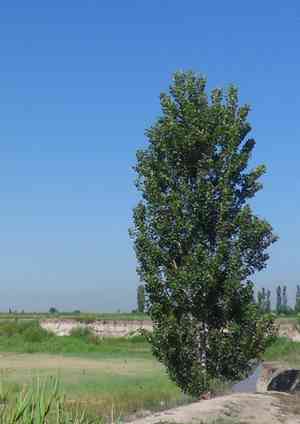
1
Strategic positioning of White poplar can greatly enhance your garden's aesthetic charm.
2
Combining White poplar with diverse plant species can produce striking variations in color and texture.
3
Year-round maintenance is crucial for preserving the vitality and beauty of White poplar.
Introducing White Poplar in Landscape Design
An overview of White Poplar and its distinct visual characteristics.
White Poplar is a captivating tree recognized for its striking aesthetic qualities. Featuring elegant white bark and shimmering leaves that appear to dance in the breeze, White Poplar can serve as a beautiful focal point in any landscape. This tree's unique appearance adds a touch of sophistication and natural beauty, making it a popular choice for both homeowners and landscape architects.
The significance of selecting appropriate trees for landscaping projects.
Choosing the right trees for your landscape is vital for achieving a harmonious and visually pleasing design. Trees like White Poplar not only enhance aesthetic appeal but also offer environmental benefits such as shade, windbreaks, and wildlife habitats. Selecting trees that complement your garden's existing features and fulfill your landscaping objectives can transform ordinary spaces into extraordinary outdoor living areas.
Optimal Placement for White Poplar's Visual Impact
Prime garden locations for maximizing visual appeal.
To maximize White Poplar's visual impact, consider planting it in areas where its beauty can be fully appreciated. Ideal spots include entryways, alongside pathways, or as a central element in a garden bed. Strategic placement of White Poplar can create a sense of flow and guide the eye through your landscape, enhancing the overall design.
Considering light exposure and soil requirements.
White Poplar thrives in well-drained soils and locations that receive ample sunlight. It is important to assess your garden's conditions before planting to ensure White Poplar receives adequate light and proper soil nutrients. This will encourage healthier growth and allow the tree to flourish, providing long-term visual and environmental advantages.
Design Strategies: Integrating White Poplar with Other Flora
Achieving color balance and textural contrast.
A key element in landscape design is creating a balance of colors and textures. White Poplar can be paired with plants that have contrasting colors, such as deep greens or vibrant flowers, to highlight its white bark and silver leaves. Additionally, combining White Poplar with plants that have different textures, like feathery grasses or broadleaf plants, can add depth and interest to your garden.
Suggestions for complementary plant species.
Companion plants for White Poplar might include evergreens, perennials, and ornamental grasses. Plants such as lavender, hydrangeas, and hostas, which thrive in similar conditions, can complement White Poplar beautifully. When selecting companion plants, consider their growth habits and maintenance needs to ensure they work harmoniously together, contributing to a cohesive and attractive landscape.
Seasonal Considerations for White Poplar
Anticipating White Poplar's appearance throughout the year.
White Poplar offers visual interest across all seasons. In spring, its fresh leaves and white bark brighten the garden. During summer, the shimmering foliage creates a cooling effect. Autumn sees the leaves turn a delicate yellow, adding to the fall color palette, while in winter, the bark stands out against the stark landscape, providing structure and beauty even in dormancy.
Preparing White Poplar for varying seasonal conditions.
To maintain White Poplar's health and appearance, it's crucial to prepare it for changing seasonal conditions. In spring and summer, consistent watering and mulching help retain soil moisture. During autumn, ensure it's properly pruned to allow light and air to reach inner branches. Protect White Poplar from harsh winter conditions by applying a layer of mulch around the base to insulate roots and reduce soil temperature fluctuations.
Preserving White Poplar's Health and Beauty
Routine care tips for longevity and aesthetic appeal.
Regular maintenance is essential for preserving White Poplar's health and beauty. This includes routine watering, pruning, and monitoring for pests or diseases. Pruning should be performed to remove dead or damaged branches and to shape the tree, promoting healthy growth. Mulching helps retain soil moisture and prevents weed competition, ensuring White Poplar remains vibrant and sturdy.
Addressing common health concerns without complex interventions.
White Poplar, like any plant, can be susceptible to certain health issues such as pests, fungal infections, or nutrient deficiencies. Early detection and treatment are critical. For instance, regular inspection of leaves and bark can help identify problems early. If issues arise, employing natural or organic treatments can effectively address them without resorting to detailed or complex care methods, maintaining a healthy and beautiful White Poplar.



