Enhancing Your Garden Design with the Pickerelweed Plant: A Landscaping Guide
1
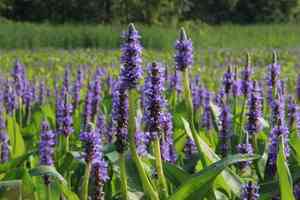
Pickerelweed is a visually appealing plant that brings both vibrancy and form to garden areas.
2
Pickerelweed's hardy characteristics make it a great choice for novice and experienced gardeners alike.
3
Promoting local wildlife and ecosystems is simple with Pickerelweed, due to its many ecological advantages.
Why Incorporate Pickerelweed into Your Landscape?
Aesthetic Appeal: How Pickerelweed introduces color and form to garden areas
A key attribute of Pickerelweed is its striking visual charm. With its vivid blossoms appearing in shades of blue and purple, Pickerelweed can instantly elevate the atmosphere of any garden. Its tall, robust stems offer a strong vertical element, making it not just a filler but a central feature in the landscape. Its rich green foliage provides a beautiful contrast with other plants, adding depth and texture to the garden. Whether you aim to revitalize a dull spot or create a visually dynamic space, integrating Pickerelweed is an excellent choice.
Growth Characteristics: Discuss the vigorous nature of Pickerelweed
Recognized for its energetic growth, Pickerelweed is a resilient plant capable of flourishing in diverse conditions. This tough plant is adaptable, meaning it can thrive in various soil types and light exposures. Given suitable circumstances, Pickerelweed propagates rapidly, effortlessly filling spaces with minimal upkeep. For gardeners, particularly novices, the robust character of Pickerelweed eliminates much of the uncertainty involved in plant care, making the process less intimidating and more enjoyable.
Ecological Advantages: Support for local wildlife and ecosystems
Pickerelweed not only enhances your garden's beauty but also positively impacts the environment. Its flowers attract a range of pollinators, including bees and butterflies, which are vital for maintaining healthy ecosystems. Furthermore, its dense foliage offers refuge and habitat for small garden creatures. By planting Pickerelweed, you cultivate a thriving mini-ecosystem in your yard, contributing to greater biodiversity and ecological equilibrium.
Designing With Pickerelweed: Strategic Placement & Combinations
Landscaping Advice: Optimal locations for Pickerelweed in garden designs
Thoughtfully positioning Pickerelweed in your garden can maximize its visual impact. Given its preference for moist environments, Pickerelweed is ideal for spots near ponds, streams, or other water features. It also prospers in rain gardens where excess water tends to collect. Due to its height, Pickerelweed works well at the rear of garden beds or along fences, providing a lush backdrop for shorter plants. When placing Pickerelweed, ensure it receives partial to full sunlight, as this encourages optimal blooming and vigorous growth.
Companion Planting: Perfect plant partners for Pickerelweed
Companion planting is a method that boosts the beauty and health of your garden. Combine Pickerelweed with plants that share similar water and light needs for harmonious development. For instance, pairing Pickerelweed with other moisture-loving plants like water lilies, irises, or marsh marigolds can create a cohesive and vibrant aquatic garden. The contrasting flowers and foliage will offer year-round interest and reduce competition for resources, ensuring a lush, flourishing garden.
Seasonal Considerations: Year-round appeal with Pickerelweed
One of Pickerelweed's benefits is its continuous appeal throughout the year. While its vivid flowers make a statement in warmer months, its abundant foliage remains attractive across seasons. In autumn, the leaves might shift to a subtle yellow, adding a new shade to your garden's palette. Even in winter, Pickerelweed's structural elements can provide form and interest to an otherwise bare landscape. To maintain a captivating garden year-round, consider planting evergreens or winter-flowering plants alongside Pickerelweed.
Long-Term Care and Maintenance Guidelines for Pickerelweed
Fundamental Upkeep: Simplifying care routines for Pickerelweed
Caring for Pickerelweed is straightforward, making it an excellent plant for gardeners of all skill levels. Regularly check soil moisture, especially during dry periods, to ensure the plant stays hydrated. Applying mulch around the base can help retain moisture and regulate soil temperature. Additionally, a balanced fertilizer applied during the growing season can promote healthy development. By following these basic care practices, you ensure Pickerelweed thrives and continues to enhance your garden's beauty.
Pruning and Tidying: Best practices for a neat appearance
Keeping Pickerelweed looking its best involves occasional trimming and cleaning. Remove dead or damaged leaves to prevent disease and maintain the plant's fresh look. After the blooming season, cut back spent flower stalks to encourage new growth. Regularly clearing debris around the plant's base can also deter pest infestations. Implementing these simple methods will keep Pickerelweed in prime condition and boost its ornamental value.
Managing Growth: Controlling Pickerelweed's spread in your garden
Pickerelweed is known for its rapid growth, which can be beneficial but also requires management. To prevent it from becoming invasive, regularly monitor its expansion and remove any unwanted growth. Dividing the plant every few years can curb its spread and encourage vigorous flowering. By properly managing its growth, you can enjoy Pickerelweed's advantages without disrupting your garden's balance.



