Enhancing Your Garden Design with the Totara Plant: A Landscaping Guide
1
Totara is a adaptable plant suitable for diverse landscape designs.
2
Selecting an appropriate site and companion plants for Totara promotes its robust development.
3
Consistent upkeep helps Totara maintain its appealing appearance and vitality.
Introducing Totara in Garden Design
Understanding Totara's unique characteristics
Integrating Totara into your garden design necessitates a fundamental grasp of its distinct qualities. Renowned for its resilience, Totara flourishes across various soil types and climates, making it a versatile option for many gardeners. Its characteristic foliage and growth habits distinguish it from other flora, lending sophistication and structure to garden layouts. The leaves of Totara offer a singular texture that complements other plants and hardscaping elements in your garden.
Totara's visual impact in garden layouts
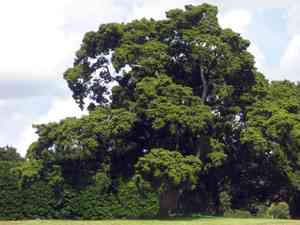
Totara delivers a striking visual effect that can elevate your garden's overall appeal. Its vibrant green provides an attractive backdrop for both blooming plants and decorative features like garden sculptures. The dense leaves and sturdy trunk of Totara add depth and dimension, fostering an inviting and harmonious outdoor area. Whether employed as a central feature or as part of a mixed border, Totara enhances the aesthetic charm of your landscape.
Popular garden styles featuring Totara
Totara integrates effortlessly into diverse garden styles, from contemporary to classic designs. In Japanese Zen gardens, its tranquil and understated form complements the ordered aesthetics. Within a more rustic garden setting, Totara imparts a sense of timelessness and natural allure. Furthermore, modern landscapes frequently utilize Totara for its crisp lines and refined appearance. Totara's adaptability allows it to be a prominent element in varied garden designs.
Designing Your Garden with Totara
Evaluating the optimal placement for Totara in your garden
Selecting the correct position for Totara in your garden is vital for its development and overall effect. Choose a spot that receives ample sunlight, as Totara thrives in brightly lit environments. Ensure the soil drains well to prevent waterlogging, which can harm the plant. Additionally, consider the visual contribution Totara will make in different areas of your garden; positioning it where it can serve as an anchor or focal point can boost its aesthetic value.
Size considerations: How much area does Totara need?
When planning your garden arrangement, it's crucial to account for Totara's mature dimensions. This plant can attain considerable height and width, so allocate sufficient room for its expansion. Avoid planting too close to structures or other plants to prevent overcrowding. By providing enough space, you guarantee that Totara can grow freely and maintain its natural form, contributing to a balanced and visually pleasing garden.
Companion plants: What thrives alongside Totara?
Pairing Totara with suitable companion plants accentuates its beauty and fosters a healthy garden ecosystem. Consider plants with contrasting textures and hues to complement Totara's foliage. Ornamental grasses, flowering shrubs, and ground covers make excellent companions. These plants not only create a rich and diverse landscape but also support Totara's growth by sharing similar soil and light requirements.
Totara Landscape Care Guidelines
Seasonal maintenance for Totara: Essential information
Maintaining Totara's health requires attention to seasonal requirements. During spring, enrich the soil with compost or organic fertilizers to support new growth. In summer, ensure consistent watering, especially during dry periods, but be careful not to overwater. Autumn is an ideal time for mulching to protect the roots as temperatures decrease. By adhering to these seasonal care routines, you preserve Totara's vitality and appearance throughout the year.
Pruning Totara: Methods and timing
Regular pruning keeps Totara looking its best and encourages robust growth. The optimal time to prune Totara is in late winter or early spring before new growth commences. Use sharp, clean tools to make precise cuts, removing any dead or diseased branches. Pruning helps shape the plant and prevents overcrowding, allowing sunlight and air to reach the foliage. By employing proper pruning techniques, you ensure Totara remains a centerpiece in your garden.
Addressing common issues in Totara landscaping
Although Totara is relatively low-maintenance, it is not immune to pests and diseases. Regularly inspect the plant for signs of trouble, such as discolored leaves or unusual growth patterns. Common problems include fungal infections and insect infestations. Tackle these issues early with appropriate treatments, such as fungicides or insecticidal soaps. Maintaining a clean and well-ventilated garden environment also helps prevent potential problems.
Design Ideas Using Totara
Case studies: Successful landscape projects featuring Totara
Reviewing successful landscape projects that incorporate Totara can offer valuable inspiration for your garden. A striking example is a coastal garden where Totara acts as a windbreak, safeguarding more delicate plants while adding rugged beauty to the scenery. In urban environments, Totara has been effectively used in rooftop gardens, providing greenery and shade in confined spaces. These case studies highlight the plant's adaptability and demonstrate imaginative ways to integrate it into various settings.
Integrating Totara into contemporary and traditional gardens
Totara effortlessly bridges the divide between modern and traditional garden aesthetics. In contemporary landscapes, its clean lines and structured form complement sleek, minimalist designs. Conversely, in traditional gardens, Totara's natural grace contributes to a timeless, classic appeal. Whether used as a hedge, a solitary tree, or integrated into mixed borders, Totara adds beauty and sophistication to any garden style.
Creative methods to display Totara in compact areas
Even in limited spaces, Totara can make a significant impact. Consider planting it in large containers to manage its growth and add a focal point to patios or balconies. Utilize Totara as a vertical element to draw the eye upwards, creating the illusion of a larger area. By employing creative techniques, you can enjoy Totara's beauty even in the most confined sections of your garden.



