Enhancing Your Garden Design with the Balloon flower Plant: A Landscaping Guide
1
Introducing Balloon flower can greatly boost the variety of life in your garden.
2
Balloon flower flourishes optimally in soil that drains well and receives some sun.
3
Consistent trimming of Balloon flower promotes stronger development and brighter flowers.
Introducing Platycodon grandiflorus in Garden Design
Appreciating the visual charm of Platycodon grandiflorus
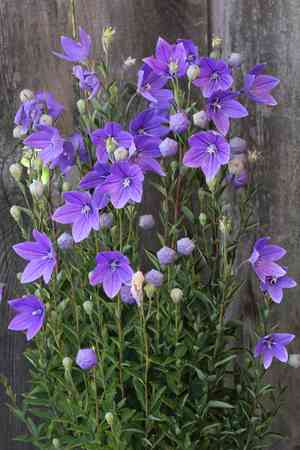
The most striking feature of Platycodon grandiflorus is its captivating appearance. Its distinctive balloon-shaped buds, which unfurl into star-like blossoms, lend a whimsical touch to any garden space. Available in hues from blue and purple to white and pink, Platycodon grandiflorus can readily become a focal point. Its upright stalks and delicate flowers provide vertical interest and contrast beautifully with other plants.
Why Platycodon grandiflorus is a favored option for contemporary landscapes
Recently, Platycodon grandiflorus has gained significant popularity among gardeners due to its minimal upkeep and extended flowering period. It's well-suited for modern garden aesthetics that prioritize ease of care without compromising beauty. Furthermore, its adaptability means it thrives in various soil types and light conditions, making it a versatile choice for diverse garden layouts. It's also deer-resistant, enhancing its appeal where wildlife might be a concern.
The influence of Platycodon grandiflorus on garden biodiversity
Integrating Platycodon grandiflorus into your garden not only boosts its visual appeal but also supports local ecosystems. Its vibrant blooms attract pollinators such as bees and butterflies, crucial for a thriving garden. Additionally, a diverse garden is more resilient to pests and diseases. By planting Platycodon grandiflorus, you contribute to a balanced and sustainable garden environment.
Integrating Platycodon grandiflorus into Your Garden Scheme
Selecting the optimal site for Platycodon grandiflorus
Platycodon grandiflorus flourishes best in well-drained soil and prefers partial sunlight, though it can endure full sun in cooler climates. When choosing a spot, ensure it has ample room for the plant's mature size, which can reach up to 3 feet tall and 1 foot wide. Placing it in a sheltered spot will also protect it from strong winds, which can cause stems to break.
Companion plants and color schemes
When planning your garden layout, consider pairing Platycodon grandiflorus with plants that complement its form and hue. Plants like coreopsis and black-eyed Susan can offer a warm color contrast to the blue or white varieties of Platycodon grandiflorus. Moreover, foliage plants such as ferns and hostas can create a lush backdrop, accentuating its delicate blossoms. Mixing Platycodon grandiflorus with other perennials can extend visual interest throughout the year.
Creative design concepts utilizing Platycodon grandiflorus
Be imaginative with Platycodon grandiflorus by incorporating it into various garden settings. Use it as a border plant to define pathways or garden edges, or plant it in clusters for a massed effect. It can also be a captivating addition to rock gardens or container arrangements on patios and balconies. Its upright growth habit makes it ideal for adding height to mixed plantings, creating dynamic layers and textures in your garden landscape.
Seasonal Considerations for Platycodon grandiflorus
Prime seasons for planting Platycodon grandiflorus
The best time to plant Platycodon grandiflorus is during spring or early autumn when temperatures are mild. Planting during these periods allows it sufficient time to establish roots before facing extreme summer heat or winter cold. Spring planting lets you enjoy vibrant blooms throughout summer, while fall planting can lead to a robust display the following year.
Managing Platycodon grandiflorus across the seasons
Throughout the growing period, ensure Platycodon grandiflorus receives consistent moisture, especially during dry spells. Mulching around the base can help retain soil moisture and regulate temperature. As autumn approaches, consider cutting back stems to ground level after the first frost to prepare the plant for dormancy. During winter, a layer of mulch will protect roots from freeze-thaw cycles, ensuring a healthy return in spring.
Care Guidelines to Enhance the Beauty of Platycodon grandiflorus
Essential pruning and trimming techniques
Regular pruning of Platycodon grandiflorus is vital for its health and to encourage abundant flowering. Remove spent blooms to prevent the plant from expending energy on seed production. Cutting back stems by a third in late spring can also promote bushier growth and more flower buds. Always use clean, sharp tools to minimize disease risk.
Fertilizing for optimal development
Platycodon grandiflorus benefits from a balanced fertilizer applied in spring as new growth emerges. A well-rounded fertilizer with equal parts nitrogen, phosphorus, and potassium will support healthy foliage and prolific flowering. Avoid over-fertilizing, as this can lead to excessive foliage growth at the expense of blooms.
Pest control strategies for Platycodon grandiflorus
Although Platycodon grandiflorus is relatively pest-free, it's still important to monitor for common garden pests like aphids and slugs. A strong jet of water can dislodge aphids, while setting up beer traps or using diatomaceous earth can manage slugs. Keeping the garden clean and free of debris will also minimize pest habitats. If necessary, organic insecticidal soap can be used as a last resort.



