Enhancing Your Garden Design with the Staghorn fern Plant: A Landscaping Guide
1
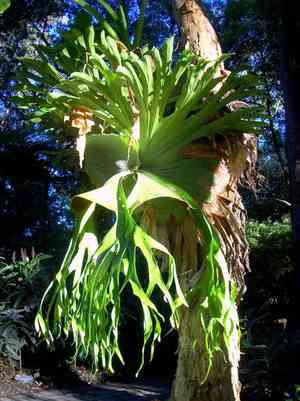
Staghorn ferns are epiphytic, flourishing optimally when mounted vertically.
2
Perfect for low-light spots, these ferns introduce a distinctive look to your outdoor space.
3
Selecting suitable companion plants for Staghorn ferns can boost their visual appeal and environmental advantages.
Discovering the Distinctive Charm of Staghorn Fern
What Makes Staghorn Fern a Standout in Garden Designs?
Staghorn fern presents a unique visual appeal that distinguishes it from other flora. Its striking fronds resemble deer antlers, giving the plant its characteristic look. This attribute makes Staghorn fern an excellent option for gardeners aiming to introduce an unusual, captivating element to their outdoor spaces. Unlike typical plants that grow in soil, Staghorn fern thrives as an epiphyte, meaning it grows on other plants without extracting nutrients. This allows for diverse planting arrangements, especially vertical gardens.
The Visual Advantages of Incorporating Staghorn Fern into Your Garden
The aesthetic benefit of Staghorn fern lies in its capacity to add both texture and depth to your garden. Its lush, green fronds create a beautiful contrast with other plants, providing a focal point that can break the uniformity of traditional landscapes. The graceful curve of its leaves can soften hard surfaces like stone walls or wooden structures, making them more visually appealing. Furthermore, its epiphytic nature permits creative placements, such as hanging them on walls or attaching them to tree trunks, enhancing the overall visual interest of your garden.
Optimal Placements for Staghorn Fern in Your Landscape
Displaying Staghorn Fern on Upright Surfaces
One of the most effective methods to integrate Staghorn fern into your landscape is by showcasing it on vertical surfaces. Whether mounted on a tree trunk, a wall, or a specially designed garden frame, Staghorn fern flourishes in such setups due to its epiphytic nature. Vertical gardening not only conserves space but also adds a unique dimension to your garden, transforming ordinary walls into vibrant, living canvases. Remember that Staghorn fern prefers indirect light, so select a spot where it receives filtered sunlight for optimal results.
Integrating Staghorn Fern into Rock Gardens
Another excellent location for Staghorn fern is within rock gardens. The contrasting textures of the fern's soft, green fronds against the rough, rugged rocks create a stunning visual. To successfully integrate Staghorn fern, place it in crevices or on top of rocks where it has space to anchor itself. The natural adaptability of Staghorn fern makes it an ideal candidate for such environments, where it can elegantly spread its fronds, adding both vertical and horizontal interest.
Utilizing Staghorn Fern in Shaded Garden Areas
Shaded areas in gardens often present a challenge for incorporating visually appealing plants. However, Staghorn fern thrives in these conditions, making it an excellent choice for shady spots. Whether beneath a tree canopy or in the shadow of a building, Staghorn fern can introduce greenery and vitality to areas that might otherwise be overlooked. Ensure the location is well-ventilated to prevent fungal issues, and try to replicate the fern's natural habitat by providing a moist, but not waterlogged, environment.
Companion Plants and Element Pairings for Staghorn Fern
Selecting Companion Plants that Complement Staghorn Fern
When choosing companion plants for Staghorn fern, consider those that thrive in similar environmental conditions. Ferns, mosses, and shade-loving flowers like impatiens or begonias make excellent companions. These plants not only share the same light and moisture requirements but also enhance the aesthetic value by creating a lush, layered appearance. The combination of different textures and shades of green can result in a vibrant and harmonious landscape.
Incorporating Natural Elements that Enhance Staghorn Fern's Texture and Color
To maximize the impact of Staghorn fern's unique texture and color, incorporate natural elements like stones, wood, and even water features. The rough texture of rocks can contrast beautifully with the fern’s soft fronds, while wooden elements can match its organic appeal. Additionally, the sound and sight of nearby water features can create a serene, natural setting that highlights the tranquil beauty of Staghorn fern. These complementary elements can elevate your garden design, making it a more cohesive and appealing space.
Maintaining Aesthetics: Seasonal Considerations for Staghorn Fern
Seasonal Adjustments to Keep Staghorn Fern Flourishing
To keep Staghorn fern looking its best throughout the year, seasonal adjustments are crucial. During warmer months, ensure it receives adequate humidity and moisture, as it can naturally dry out more quickly. Mist the plant regularly and consider placing it in areas with high ambient moisture. In cooler months, reduce watering and ensure it is protected from frost. Instead of direct watering, occasional misting will suffice to maintain its moisture levels.
Preparing Staghorn Fern for Changing Weather Conditions
As the weather shifts, it’s important to prepare Staghorn fern to ensure it remains healthy and visually appealing. Before winter arrives, offer some protection against cold snaps by covering it or moving it to a more sheltered location. Be vigilant during rainy seasons to prevent overwatering and root rot; ensure the fern is in a well-draining position. Regularly check for pests and diseases, particularly during seasonal transitions, to address any issues promptly.



