Enhancing Your Garden Design with the Elkhorn fern Plant: A Landscaping Guide
1
Elkhorn fern flourishes in areas with filtered sunlight and no direct exposure, perfect for dim garden locations.
2
Elkhorn fern performs best in soil that drains efficiently, preventing the roots from becoming waterlogged.
3
Consistent spraying can assist in preserving the necessary humidity levels for Elkhorn fern.
Understanding Elkhorn fern's Growth Habit
General growth pattern of Elkhorn fern
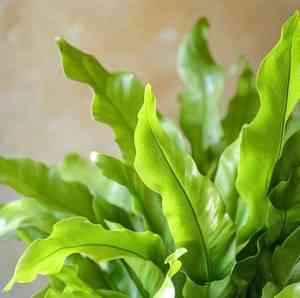
Elkhorn fern is recognized for its distinct growth pattern that differentiates it from many other plants. It primarily expands horizontally, frequently forming large clumps that can gracefully hang over surfaces. Its epiphytic nature means it flourishes in environments where it can attach to tree trunks or rocks, making it highly adaptable in garden design.
Typical size and appearance
Typically, Elkhorn fern can achieve dimensions ranging from 1 to 3 feet in both height and width, offering significant visual appeal. It showcases a striking bifurcated frond structure, resembling stag horns, which contributes to its unique look. The coloring varies from a vibrant green to a slight bluish tint, enhancing its aesthetic charm.
Choosing the Right Location for Elkhorn fern
Sunlight and shade preferences
Elkhorn fern thrives in settings where it can receive indirect light, making it ideal for locations with partial shade. Excessive direct sunlight can scorch its delicate fronds, while insufficient light can hinder its development. Therefore, a balance is crucial – consider areas beneath tree canopies or shaded patio corners where light is diffused.
Soil and drainage needs
While Elkhorn fern is epiphytic and often flourishes without being rooted in soil, if you choose to plant it directly in the ground, opt for well-draining soil. Avoid spots where water tends to collect, as too much moisture can lead to root rot. Incorporating organic matter can help improve drainage and supply the modest nutrients Elkhorn fern needs.
Integrating Elkhorn fern in Landscape Design
Using Elkhorn fern as a focal point
Elkhorn fern can act as a stunning centerpiece in your garden due to its distinctive appearance and growth habit. Consider positioning it in an area where its cascading fronds can be fully appreciated, such as a raised planter or a garden wall. Its unique silhouette and size make it a conversation starter and a prominent feature.
Companion plants that complement Elkhorn fern
To accentuate Elkhorn fern's beauty, consider pairing it with companion plants that have contrasting textures and colors. Other ferns, hostas, and shade-loving ground covers can provide a lush backdrop that emphasizes Elkhorn fern's striking form. Variegated plants or those with silvery foliage can create a harmonious color scheme, enhancing the visual impact.
Maintaining Elkhorn fern in Your Garden
General maintenance tips
Maintaining Elkhorn fern requires consistent yet uncomplicated care. Regularly check the plant for pests, provide occasional misting to maintain humidity, and trim any damaged fronds to promote healthy growth. While it doesn't require frequent feeding, applying a balanced liquid fertilizer during the active growing season can boost its vitality.
Seasonal care variations
Depending on the season, Elkhorn fern may need slight adjustments in care. During warmer months, ensure it gets adequate moisture and protection from intense afternoon sun. In cooler periods, reduce watering and shield it from frost and cold drafts. This seasonal attention will help Elkhorn fern flourish throughout the year.



