Enhancing Your Garden Design with the Kōhūhū Plant: A Landscaping Guide
1
KÅhÅ«hÅ« is a perennial shrub that retains its lively appearance throughout the year.
2
Perfect for creating privacy barriers and ornamental borders, KÅhÅ«hÅ« suits diverse garden aesthetics.
3
Requiring little maintenance, KÅhÅ«hÅ« flourishes in both bright and low-light environments.
Introducing KÅhÅ«hÅ« in Landscape Design
KÅhÅ«hÅ« Overview and Key Characteristics
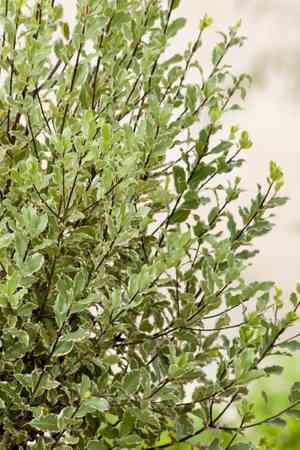
KÅhÅ«hÅ«, recognized for its thick foliage and appealing look, is an evergreen shrub frequently used in landscape architecture. This plant features small, glossy leaves with a rich green hue, often having a subtle wavy edge. Additionally, KÅhÅ«hÅ« produces fragrant blossoms in spring, adding another layer of charm to your garden. Its flexibility in size and form makes it a prime candidate for both precise shaping and natural growth.
Why KÅhÅ«hÅ« Is a Preferred Choice for Contemporary Landscapes
KÅhÅ«hÅ« has become a favored plant in modern landscaping for several reasons. Its evergreen nature ensures your garden remains vibrant throughout the year, significantly boosting aesthetic appeal. Furthermore, KÅhÅ«hÅ« is highly adaptable to various soil types and climates, making it a resilient option for many gardeners. The plant's low maintenance needs coupled with its ability to pair well with a variety of other plants only add to its desirability.
Maximizing Your Garden Space with KÅhÅ«hÅ«
Methods for Incorporating KÅhÅ«hÅ« into Diverse Garden Styles
Integrating KÅhÅ«hÅ« into your garden design can be done effortlessly by leveraging its size, form and textures. In contemporary gardens, KÅhÅ«hÅ«'s clean lines and uniform growth are perfect for creating structured shapes and patterns. For a naturalistic look, allow KÅhÅ«hÅ« to grow freely, blending seamlessly with other native plants. In traditional gardens, pairing KÅhÅ«hÅ« with classic flowers and shrubs will add an elegant touch. Regardless of your aesthetic, utilizing this shrubâs versatile nature can create harmonious and striking garden scenes.
Plants That Complement KÅhÅ«hÅ« Effectively
Complementing KÅhÅ«hÅ« with other plants can create a visually appealing and coherent garden. Consider pairing KÅhÅ«hÅ« with ornamental grasses or perennials like lavender and salvia, which highlight the lush greenery and structural form of KÅhÅ«hÅ«. For a contrasting texture, mix KÅhÅ«hÅ« with ferns and hostas in shadier spots. The key is to choose plants that either highlight KÅhÅ«hÅ«âs features or provide a pleasing contrast, all while ensuring they share similar soil and light requirements for a thriving garden.
Maintaining Year-Round Visual Appeal
How KÅhÅ«hÅ« Contributes to a Lively, Evergreen Landscape
One of the standout features of KÅhÅ«hÅ« is its ability to keep your garden verdant and lively through all seasons. As an evergreen shrub, it retains its foliage year-round, offering consistent greenery even in winter months. This characteristic makes KÅhÅ«hÅ« an invaluable plant for maintaining visual interest when other plants have gone dormant. Its varied hues of green provide a steady and dynamic backdrop that supports the ever-changing blooms and foliage of seasonal plants.
Seasonal Advice for Keeping KÅhÅ«hÅ« Attractive Throughout the Year
To ensure that KÅhÅ«hÅ« remains attractive throughout the year, it is essential to undertake routine care according to seasonal needs. In the spring, light pruning will help shape the shrub and remove any dead or damaged branches. During the summer, regular watering, especially in dry periods, will maintain its lush appearance. Fall is an ideal time to apply a slow-release fertilizer to support its health through the colder months. Winter care involves minimal intervention, as KÅhÅ«hÅ«âs hardiness allows it to withstand cold temperatures gracefully.
Using KÅhÅ«hÅ« for Privacy and Boundary Creation
Employing KÅhÅ«hÅ« as a Natural Privacy Screen in Your Garden
For those seeking to create a sense of seclusion in their garden, KÅhÅ«hÅ« is an excellent choice for a natural privacy screen. Its dense foliage forms an effective barrier that can block out unwanted views and noise. Plant KÅhÅ«hÅ« along the perimeter of your property, spaced evenly, to form a continuous green wall. Over time, with proper care and shaping, KÅhÅ«hÅ« will develop into a thick, impenetrable hedge that provides both privacy and aesthetic pleasure.
Effective Placement of KÅhÅ«hÅ« for Defining Property Lines
Using KÅhÅ«hÅ« to delineate property boundaries is another strategic application in landscape design. Its uniform growth habit and ability to be pruned into precise shapes make it ideal for creating clear and attractive property lines. Position KÅhÅ«hÅ« along the edges of your yard where you wish to establish boundaries. Planting it in a straight line or following the contour of your property will result in a defined and polished look, enhancing both the functionality and beauty of your landscape.
Questions and Answers
Can KÅhÅ«hÅ« Flourish in Shaded Locations?
Yes, one of the remarkable aspects of KÅhÅ«hÅ« is its adaptability to various light conditions. While it thrives in full sun, it can also grow well in partial shade. For optimal growth, ensure that KÅhÅ«hÅ« receives some sunlight during the day. In heavily shaded areas, it may not grow as densely but will still provide greenery and structure to your garden.
What Is KÅhÅ«hÅ«'s Growth Rate, and What Affects It?
KÅhÅ«hÅ« has a moderate growth rate, typically adding about 12-24 inches per year depending on growing conditions. Factors that influence its growth include sunlight, soil quality, and water availability. Planting KÅhÅ«hÅ« in well-draining soil and ensuring it has adequate moisture will promote robust growth. Regular feeding with a balanced fertilizer can also support its development and health.



