Enhancing Your Garden Design with the Japanese black pine Plant: A Landscaping Guide
1
Japanese black pine provides a distinct visual charm suitable for diverse garden designs.
2
Companion plants can amplify the aesthetic effect of Japanese black pine.
3
Consistent care is crucial for maintaining the health and vigor of Japanese black pine.
Introducing Japanese black pine in Outdoor Design
Appreciating the Visual Appeal of Japanese black pine
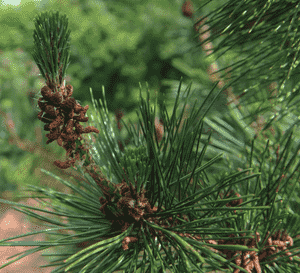
Japanese black pine distinguishes itself in outdoor design due to its striking look. Defined by its dark green needles and rugged bark, Japanese black pine offers a visual texture that immediately captures attention. This plant's distinct silhouette makes it perfect for creating focal points in a garden, providing a sense of structure and natural grace. The aesthetic adaptability of Japanese black pine complements both traditional and contemporary design philosophies, making it a favorite among garden enthusiasts and designers alike.
Key Characteristics and Their Suitability for Landscape Architecture
Japanese black pine is a resilient and adaptable plant, making it a robust option for various outdoor design requirements. It flourishes in diverse soil types and can withstand harsh weather conditions, including coastal winds and poor soil. Its minimal maintenance needs and extended lifespan add to its allure. The unique growth habit of Japanese black pine, with its irregular and often sculpted forms, adds a dynamic element to garden layouts. By incorporating Japanese black pine into your landscape, you create a living work of art that matures beautifully over time.
Employing Japanese black pine in Various Garden Styles
Traditional Japanese Garden Designs
Japanese black pine is a fundamental component in traditional Japanese gardens. Its form and texture embody the principles of wabi-sabi, the appreciation of transient and imperfect beauty. Whether utilized as a bonsai or maintained as a full-sized tree, Japanese black pine can foster a sense of calm and timelessness. They are frequently positioned near water features, stone lanterns, and pagodas to enhance the serene atmosphere characteristic of Japanese landscapes.
Modern Western Designs and Minimalist Aesthetics
In contemporary Western gardens, Japanese black pine offers a striking contrast to sleek, modern lines and minimalist designs. Its textured bark and flowing branches soften the sharp edges often found in modern landscaping. Japanese black pine can be used to introduce a natural, organic element to patios, outdoor living areas, and even rooftop gardens. By combining Japanese black pine with minimalist structures, you can achieve a balanced, visually pleasing outdoor environment.
Integrating Japanese black pine into Themed Garden Concepts
Japanese black pine is incredibly versatile and can enhance various themed garden designs. Whether you aim for a Mediterranean feel, a coastal garden, or an island retreat, Japanese black pine can be adapted to fit the theme. Its ability to endure salty air and sandy soils makes it an excellent choice for coastal-themed landscapes, while its exotic appearance suits tropical-inspired gardens. Pair Japanese black pine with appropriate companion plants to bring your garden vision to life.
Combining Japanese black pine with Other Plant Elements
Companion Plants that Enhance the Visual Impact of Japanese black pine
When incorporating Japanese black pine into your landscape, consider plants that complement its distinct features. Ornamental grasses, flowering shrubs, and ground covers with contrasting textures and colors can amplify Japanese black pine's visual impact. For example, pairing Japanese black pine with vibrant azaleas or delicate ferns can create a striking contrast that highlights its rugged beauty. The objective is to create a cohesive design where Japanese black pine stands out while harmonizing with its botanical neighbors.
How Japanese black pine Can Function as a Focal Point or as Background Greenery
Japanese black pine is adaptable enough to serve as either a focal point or background greenery in your garden. As a focal point, its exceptional shape and texture will draw the eye and act as a centerpiece. To create a sense of depth, use Japanese black pine as a backdrop for foreground plants. Its dark green needles provide a contrasting canvas for brightly colored flowers or lighter foliage, enhancing the overall aesthetic of your landscape.
Seasonal Considerations for Pairing with Japanese black pine
Seasonal changes can significantly affect the visual harmony in your garden. Selecting plants that bloom or change color at different times of the year can ensure that your landscape remains vibrant year-round. For instance, pairing Japanese black pine with spring-blooming cherry blossoms or autumnal maples can ensure a continuous shift in your garden's appearance as the seasons progress. This seasonal variety keeps your garden visually appealing throughout the year.
Care Guidelines for Japanese black pine in Your Landscape
Fundamental Advice to Keep Your Japanese black pine Healthy and Thriving
Caring for Japanese black pine involves consistent watering, especially during its initial years. Deep, infrequent watering helps to establish a strong root system. Mulching around the base can retain soil moisture and prevent weeds. Additionally, Japanese black pine benefits from occasional fertilization with a balanced, slow-release fertilizer to promote healthy growth.
Issues to Monitor: Preventing Common Diseases and Pests
Japanese black pine is relatively disease-resistant but can still fall prey to typical pine ailments such as pine wilt and needle cast. Regular inspections for signs of disease or pest infestations, such as discolored needles or unusual growth patterns, are crucial. Prompt removal of affected branches and appropriate treatments can prevent the spread of disease. Keeping the area around Japanese black pine clear of debris and ensuring good air circulation can also help deter pests.
Practical Guidance on Pruning and Shaping Japanese black pine for Aesthetic Landscapes
Pruning Japanese black pine is essential for maintaining its shape and promoting health. The best time to prune is in late winter or early spring before new growth starts. Remove dead or diseased branches and thin out overcrowded areas to allow light and air to penetrate the canopy. For aesthetic purposes, consider the natural form of Japanese black pine and aim to enhance its unique features rather than imposing an unnatural shape.



