Enhancing Your Garden Design with the Longleaf pine Plant: A Landscaping Guide
1
Longleaf pine flourishes in sandy, well-draining earth, making it suitable for various environments.
2
Consistent trimming of Longleaf pine promotes robust development and pleasing shape.
3
Longleaf pine offers substantial environmental advantages, such as fostering native animal dwellings.
Understanding the Growth Characteristics of Longleaf pine
Growth rate and ultimate height
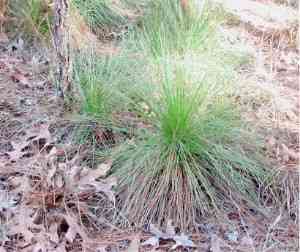
Longleaf pine exhibits a slow to moderate growth pace, particularly in its initial years. When integrating this tree into your landscape, it's vital to account for its mature stature, which can reach up to 100 feet. This impressive height makes it a grand addition to expansive settings. During its 'grass stage,' it prioritizes root development, a process that can span several years before vertical growth commences, achieving 1-2 feet annually under optimal conditions.
Sunlight and soil preferences
Longleaf pine thrives in full sun and necessitates well-drained, sandy soils. It tolerates poor soil conditions but flourishes best in acidic, sandy loams. Avoid planting in areas prone to waterlogging, as it favors dry, airy soil environments. Ensuring these soil conditions will foster ideal growth and the tree's long-term vitality.
Seasonal behavior and visual interest
Longleaf pine provides year-round visual appeal, with its long, clustered needles maintaining a vibrant green appearance throughout the seasons. In autumn, the needles may turn a rich gold before shedding, adding seasonal color to your landscape. The tree's distinctive form can serve as a striking element, whether utilized as a solitary specimen or as part of a larger planting arrangement.
Design Ideas Using Longleaf pine
Creating focal points in garden spaces
Utilizing Longleaf pine as a garden focal point can generate a dramatic visual impact. Its unique outline and towering height draw attention, making it ideal for anchoring a landscape design. Position it centrally or at key intersections in your garden to act as a natural centerpiece that enhances the overall aesthetic.
Combining Longleaf pine with other plants
Longleaf pine pairs well with various plants sharing similar soil and sunlight needs. Consider integrating it with native grasses, shrubs, or flowering plants to craft a layered, dynamic landscape. The contrast between the pine's upright form and the softer textures of underplantings can provide depth and visual interest throughout the year.
Utilizing Longleaf pine for boundary and privacy
Employ Longleaf pine as a natural boundary or privacy screen in larger landscapes. Planting a row of these trees can establish a living wall that offers seclusion and reduces wind exposure. Over time, the dense foliage of Longleaf pine can provide both aesthetic and practical benefits, enhancing the privacy and security of your garden space.
Maintenance Tips for Longleaf pine in Landscaping
Pruning and trimming best practices
Regular pruning and trimming are crucial for maintaining the health and appearance of Longleaf pine. Remove dead or diseased branches to encourage healthy growth and prevent potential hazards. Prune in late winter or early spring before new growth emerges, ensuring you shape the tree to enhance its natural form while avoiding excessive cutting.
Managing growth to maintain design aesthetics
To preserve the desired shape and size of Longleaf pine, consider periodic trimming of lower branches and thinning of the canopy. This practice not only supports aesthetic goals but also improves air circulation within the tree, reducing the risk of pest infestations and diseases. Monitor the tree's growth regularly to ensure it aligns with your landscape design.
Seasonal care routines
Implementing seasonal care routines can significantly impact the health and longevity of Longleaf pine. Water young trees during dry periods to establish strong roots, and mulch around the base to conserve moisture and suppress weeds. In the fall, apply a balanced fertilizer to support nutrient needs and boost resilience against winter stressors.
Benefits of Including Longleaf pine in Your Landscape
Environmental benefits
Longleaf pine offers numerous environmental advantages, such as improving air quality, sequestering carbon dioxide, and providing habitat for wildlife. Its deep root system helps prevent soil erosion and promotes water infiltration, contributing to overall ecosystem health. By planting Longleaf pine, you're supporting biodiversity and contributing to a sustainable landscape.
Aesthetic value and curb appeal
The distinctive appearance of Longleaf pine adds aesthetic value and curb appeal to any property. Its towering presence and lush foliage create a picturesque landscape that can elevate the visual appeal of your garden. Whether used as a backdrop for other plantings or as a standalone specimen, Longleaf pine can significantly enhance the beauty of your outdoor spaces.
Boosting property value
Incorporating Longleaf pine into your landscape can boost property value by improving overall aesthetics and providing desirable features like privacy screens or shaded areas. Mature trees are a valuable asset in real estate, and the presence of Longleaf pine can make your property more attractive to potential buyers, enhancing its marketability.



