Enhancing Your Garden Design with the Mugo pine Plant: A Landscaping Guide
1
The Mugo pine is a adaptable plant suitable for diverse garden designs.
2
Adding Mugo pine can provide continuous aesthetic appeal to your outdoor space.
3
Appropriate soil conditioning and upkeep are crucial for the Mugo pine's best development.
Exploring Mugo Pine's Role in Landscape Design
Qualities that make Mugo pine suitable for landscaping
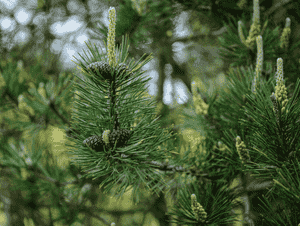
A key attribute of Mugo pine is its adaptability and resilience. Mugo pine is recognized for its compact size and thick foliage, making it an excellent selection for various garden environments. It thrives in diverse soil types and can endure harsh weather, establishing it as a dependable plant for both new and seasoned gardeners. Furthermore, its distinctive look, with its rich green hue and interesting texture, adds a unique aesthetic to outdoor spaces.
Popular garden styles that feature Mugo pine
Mugo pine is a favorite among gardeners and landscape architects due to its versatility. It integrates seamlessly into various landscaping styles, from traditional Japanese gardens to modern minimalist layouts. In a rock garden, Mugo pine's rugged appearance beautifully complements the stones. For cottage gardens, it provides structure without overpowering the softer, more delicate blooms. Its adaptability ensures it can be utilized in both low-maintenance and more elaborate garden schemes.
Visual impact of Mugo pine within garden settings
The visual effect of Mugo pine in any garden environment is significant. Its consistent green shade offers a tranquil backdrop that enhances the colors of surrounding plants. Whether employed as a solitary specimen or in mass plantings, Mugo pine captures attention with its elegant form and texture. Its year-round greenery ensures your garden remains vibrant and visually appealing even during winter months when other plants might be dormant.
Methods for Incorporating Mugo Pine into Your Landscape
Placement advice for maximizing aesthetic appeal
When positioning Mugo pine in your landscape, consider its mature size and growth patterns. Placing it in prominent areas like front yards or entryways can establish a welcoming focal point. It's also effective when used to soften the edges of paths or driveways. Ensure it has ample room to grow without being crowded, which promotes healthier development and a more pleasing appearance.
Pairing Mugo pine with other plants for equilibrium and harmony
Mugo pine combines well with a variety of plants, contributing to a balanced and harmonious garden design. Consider pairing it with flowering perennials, which offer a contrast in both color and texture. Low-growing ground covers can complement Mugo pine by filling in empty spaces and reducing weed growth. Additionally, integrating it with other evergreens can create a lush, diverse landscape that is visually engaging throughout the year.
Seasonal considerations for continuous beauty
To maintain year-round beauty in your garden, consider how Mugo pine interacts with the changing seasons. In spring, it provides a steady green backdrop to emerging blossoms. Summer gardens benefit from its shade and structure. In autumn, the foliage complements the fiery colors of deciduous trees. In winter, Mugo pine stands out against the stark landscape, offering greenery when few plants are active. Thoughtfully planning around seasonal changes can keep your garden vibrant throughout the year.
Practical Guidance for Planting and Caring for Mugo Pine
Soil preparation for optimal development
Successful growth of Mugo pine begins with proper soil preparation. Start by selecting a well-draining location, as Mugo pine does not thrive in waterlogged conditions. Enrich the soil with organic matter such as compost to improve its fertility and structure. Conduct a soil pH test; Mugo pine prefers slightly acidic to neutral pH levels. Amending the soil as needed can ensure a healthy and robust plant.
Watering and nutrient requirements
While Mugo pine is relatively low maintenance, it has specific watering and feeding requirements. For newly planted Mugo pine, consistent watering is crucial until the plant establishes itself. After establishment, Mugo pine generally requires less water, relying on natural rainfall. Over-watering can be detrimental, so it's essential to monitor the soil moisture levels. For feeding, a balanced, slow-release fertilizer applied in early spring can promote healthy growth and lush foliage.
Common issues and straightforward remedies
Like any plant, Mugo pine may encounter certain challenges, but many are easily resolved. A common issue is pests like aphids or spider mites, which can be managed with natural insecticidal soaps. If you notice yellowing needles, it may indicate a nutrient deficiency or improper watering. Adjusting watering practices and ensuring proper soil conditions can resolve this. Regular pruning helps maintain its shape and remove any diseased or damaged branches, promoting overall plant health.
Innovative Concepts for Utilizing Mugo Pine in Various Landscape Elements
Integrating Mugo pine into rock gardens
Mugo pine is a natural fit for rock gardens due to its hardy and adaptable nature. Its compact form complements the rugged texture of rocks, creating a harmonious blend of natural elements. Plant Mugo pine in pockets between rocks where it can receive adequate drainage and sunlight. The result is a visually appealing and low-maintenance landscape feature.
Designing paths and borders with Mugo pine
Using Mugo pine along pathways and borders can enhance the structure and flow of your garden. Its dense foliage creates a clear definition for walkways, guiding visitors through your landscape. For borders, Mugo pine serves as an attractive demarcation between different garden areas. The evergreen nature of Mugo pine ensures these pathways and borders remain defined and aesthetically pleasing throughout the year.
Unique applications of Mugo pine in vertical spaces
Consider leveraging vertical spaces in your garden by incorporating Mugo pine in creative ways. Planting Mugo pine in raised beds or on slopes can add depth and dimension to your landscape. Additionally, using Mugo pine in tall planters or tiered garden designs brings greenery to eye level, making it a standout feature. This approach not only maximizes garden space but also creates an interesting and dynamic visual effect.



