Enhancing Your Garden Design with the Western white pine Plant: A Landscaping Guide
1
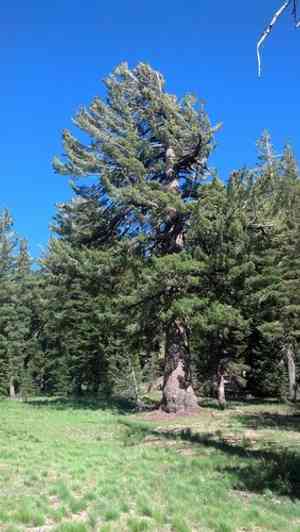
Western white pine offers distinct visual charm due to its impressive look.
2
Select a site providing suitable light and ground conditions for Western white pine.
3
Combine Western white pine with compatible flora to create a balanced outdoor space.
Introducing Western White Pine in Landscaping
Defining the visual appeal of Western white pine
For elevating your landscape with grace and natural charm, Western white pine is an outstanding selection. Known for its tall, straight trunk and soft, pliable needles, it offers a distinct blend of beauty and resilience. Its blue-green foliage provides a striking contrast to typical green plants, drawing attention and creating a focal point. Furthermore, its conical shape and symmetrical branching suit both formal and informal garden designs, ensuring adaptability across various landscaping styles.
Overview of Western white pine's natural habitat and growth characteristics
Western white pine is commonly found in mountainous areas and shows impressive adaptability to diverse climates. It prefers well-drained soil and generally thrives in cooler environments. In its native setting, it can reach impressive heights, often up to 160 feet. However, in garden settings, it's often kept smaller to fit the space. Understanding its growth habits and natural preferences helps gardeners ensure healthy, vibrant trees. It also has a moderate growth rate, allowing for gradual integration into landscape designs without overwhelming existing layouts.
Selecting the Right Location for Western White Pine
Assessing sunlight and soil conditions
Choosing the perfect spot for Western white pine requires careful evaluation of sunlight and soil. It thrives in full sun to partial shade, needing about six hours of sunlight daily. This exposure ensures sufficient photosynthesis for growth. Regarding soil, it prefers well-draining sandy or loamy types. Poorly drained areas can lead to root rot and other health issues. A soil test can reveal pH levels and nutrient availability, allowing for necessary amendments to optimize growth conditions.
Space requirements for optimal growth
Western white pine needs ample room to grow both upward and outward. When planting, consider its mature height and spread. Ensuring adequate spacing prevents competition for resources and allows it to develop a strong, healthy structure. Typically, planting in open areas with at least 15 to 25 feet of clearance from other trees or structures is recommended. This accommodates its growth and prevents potential damage from falling branches. Planning for future growth helps maintain the aesthetic appeal and health of your landscape over time.
Integrating Western White Pine with Other Plants
Complementary plants that thrive alongside Western white pine
Incorporating Western white pine with complementary plants enhances your landscape's diversity and visual appeal. Understory plants like ferns, rhododendrons, and native grasses pair well, creating layers of greenery and a healthy ecosystem. Shade-tolerant perennials, including hostas and primroses, can flourish in the dappled light beneath its branches. Additionally, ornamental grasses and shrubs with vibrant foliage can add texture and color, improving the overall aesthetic.
Design tips for a harmonious arrangement
Achieving a harmonious landscape involves strategic placement and thoughtful design. Begin by positioning Western white pine where its size and shape can be fully appreciated. Use complementary plants to create a layered effect, with taller plants behind shorter ones. This highlights the pine and ensures all plants receive adequate sunlight. Consider mixing textures and colors for depth and interest. Additionally, incorporating pathways or garden benches can offer vantage points to enjoy the beauty of Western white pine and its companions.
Seasonal Considerations and Long-Term Care
Understanding seasonal changes in Western white pine's appearance
Western white pine displays distinct seasonal changes that contribute to its year-round charm. In spring, new growth emerges as soft, bright green shoots, gradually deepening to a blue-green by summer. In autumn, while deciduous trees shed leaves, it retains its foliage, providing greenery even in winter. Being aware of these changes allows gardeners to anticipate and appreciate the various phases of Western white pine throughout the year.
General tips for maintaining the health and aesthetics of Western white pine
Maintaining Western white pine involves routine care and monitoring. Regular watering, especially during dry spells, is crucial for hydration. Mulching around the base helps retain soil moisture and regulate temperatures. Pruning is another vital practice, ideally done in late winter or early spring to remove dead or diseased branches and encourage healthy growth. Be vigilant for pests and diseases; early detection and treatment can prevent widespread damage. Finally, periodic soil tests and fertilizations ensure it receives necessary nutrients to thrive.



