Enhancing Your Garden Design with the Limber pine Plant: A Landscaping Guide
1
Limber pine offers adaptability and resilience, fitting well into diverse landscape designs.
2
Correct positioning and adequate distance between plants are vital for Limber pine's best development.
3
Year-round care, adjusted seasonally, is key to preserving the vigor and aesthetic appeal of Limber pine.
Exploring the Distinctive Charm of Limber Pine
What visual appeal does Limber pine offer to outdoor spaces?
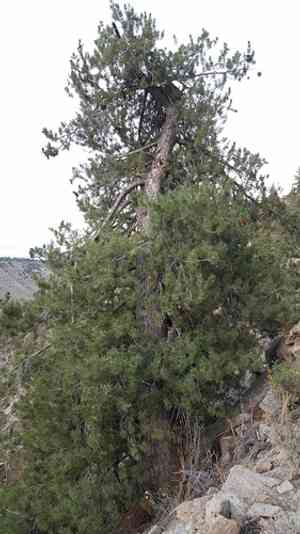
Limber pine, with its characteristic branches and needle-like foliage, introduces a unique aesthetic to any landscape. Its gracefully twisted, silver-green needles provide a striking visual contrast against other greenery. The tree’s rugged form often develops a picturesque quality as it matures, adding character and a central point of interest to gardens. Whether used as a solitary specimen or in a cluster, Limber pine stands out for its robust yet elegant appearance.
The perennial allure of Limber pine
A key attribute of Limber pine is its capacity to offer year-round visual appeal. Unlike deciduous trees that shed their leaves, Limber pine retains its needles throughout the year, providing a burst of green even in the depths of winter. This evergreen characteristic ensures your landscape remains vibrant and attractive regardless of the season, making Limber pine a dependable option for sustaining visual interest.
Resilience and adaptability of Limber pine
The robustness and hardiness of Limber pine make it a tough addition to any landscape. It can flourish in various soil types and conditions, including rocky and poor soils where other plants might struggle. Its deep root system enables it to endure strong winds and heavy snow loads, making it particularly suitable for regions with unpredictable weather. This versatility ensures Limber pine can be a lasting element of your landscape design.
Integrating Limber Pine into Diverse Landscape Designs
Optimal methods for a structured garden layout using Limber pine
For a formal garden, Limber pine can be employed to create organized and balanced designs. Planting Limber pine in uniformly spaced rows or as a series of focal points can enhance the orderly feel of a formal garden. Pruning may be utilized to maintain a tidy shape, complementing other features like hedges and topiaries. This systematic placement of Limber pine can impart an air of sophistication and refinement to your landscape.
Cultivating a natural, forest-like ambiance with Limber pine
If you're aiming for a more naturalistic, woodland-inspired garden, Limber pine can help achieve that look. Plant Limber pine in informal groupings, mimicking its natural growth patterns in the wild. Combine it with other native plants and shrubs to create an ecosystem-like setting. The irregular shape and inherent beauty of Limber pine will enhance the organic feel of your woodland garden, providing a tranquil and soothing atmosphere.
Employing Limber pine in contemporary landscape aesthetics
In modern landscapes, the clean lines and striking form of Limber pine can serve as a dramatic element. Its distinctive shape can be utilized as a living sculpture, adding an artistic touch to contemporary garden designs. Limber pine pairs well with minimalist components, such as sleek metal planters or gravel pathways. Its resilience and low-maintenance nature also align well with the modern preference for simplicity and functionality.
Placement and Spacing for Maximum Effect
Ideal locations to plant Limber pine for visual harmony and beauty
Strategic placement of Limber pine in your garden is crucial for achieving visual balance. Consider planting it as a central feature in larger open areas or as a background plant to define borders. Its size and form can dictate whether it’s best suited as a centerpiece or to frame specific garden zones. Proper positioning ensures Limber pine complements other elements in your landscape rather than dominating them.
How much room does Limber pine require to flourish?
To ensure Limber pine grows robustly, consider the amount of space it needs. This tree requires ample room for its roots to spread and for its branches to develop fully. Typically, a minimum spacing of 20 to 30 feet from other trees or structures is advised. This guarantees sufficient air circulation and sunlight, which are vital for the tree’s health and longevity.
Advice for combining Limber pine with other flora
Grouping Limber pine with compatible plants can enhance the overall appeal of your landscape. Select companion plants that thrive in similar soil and light conditions. For instance, pairing Limber pine with low-growing shrubs or groundcovers can create layered visual interest. Avoid overcrowding, which can lead to competition for resources. A well-thought-out grouping can accentuate the beauty of Limber pine while preserving the health of all plants involved.
Seasonal Considerations for Limber Pine
Spring and summer maintenance tips for Limber pine
During spring and summer, Limber pine benefits from consistent watering, especially in dry conditions. Applying mulch around the base can help retain moisture and regulate soil temperature. It's also an opportune time for light pruning to maintain shape and remove any damaged branches. Using a balanced fertilizer can encourage healthy growth during the active growing season.
Preparing Limber pine for fall and winter
As autumn approaches, it's important to ready Limber pine for the colder months. Reduce watering as temperatures drop to prevent waterlogged soil. Consider adding a layer of mulch to shield the roots from extreme temperature fluctuations. Inspect for any signs of pests or diseases and address them promptly. Ensuring Limber pine is healthy before winter arrives will help it endure harsh conditions and emerge strong in the spring.



