Enhancing Your Garden Design with the Japanese red pine Plant: A Landscaping Guide
1
The Japanese red pine displays striking color changes, making it suitable for diverse garden designs.
2
Strategic placement of Japanese red pine within your garden improves its visual appeal and supports ideal growth.
3
Consistent care for Japanese red pine is crucial for its health and to preserve its attractive appearance.
Appreciating the Visual Appeal of Japanese Red Pine
Highlights the distinct visual characteristics of Japanese red pine
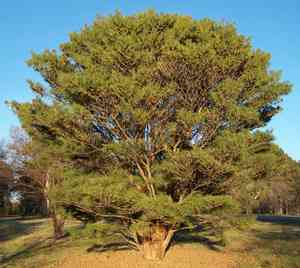
A primary reason to integrate Japanese red pine into your landscape design is its singular visual charm. This tree is celebrated for its graceful, slender branches and the striking arrangement of its needle-like foliage. The elegant form of Japanese red pine, often featuring multiple trunks, imparts a sense of sophistication and enduring beauty to any garden. Its unique silhouette makes it ideal for bonsai art or as a prominent, free-form specimen in larger garden settings.
Explains color variations and how they complement diverse garden themes
Japanese red pine is valued for its seasonal color shifts, offering visual interest throughout the year. The vibrant green needles of spring and summer provide a beautiful contrast with the warm hues of autumn. Winter adds another layer of fascination as the treeâs structure becomes more defined against the seasonâs stark backdrop. These color changes make Japanese red pine adaptable for various garden styles, whether you seek a tranquil Zen garden, a lively cottage garden, or a modern minimalist design.
Discusses the textural element Japanese red pine contributes to landscape design
Texture plays a crucial role in landscape design, and Japanese red pine introduces an intriguing textural component that enriches the visual and tactile experience of your garden. The fine, needle-like leaves create a soft, feathery texture, harmoniously contrasting with broader-leaved plants and hardscape elements like stones and pathways. This textural diversity fosters a balanced and engaging garden environment, appealing to both sight and touch.
Landscape Placement for Japanese Red Pine
Optimal practices for planting location concerning sun and shade
To ensure Japanese red pine flourishes in your landscape, selecting the correct planting site is essential. This tree prefers full sun but can tolerate some partial shade. Placing Japanese red pine in an area that receives at least six hours of direct sunlight daily will encourage robust growth and vibrant foliage. Additionally, confirm the location has well-drained soil to prevent root rot and other moisture-related problems.
Ideal companion plants for Japanese red pine in a design layout
Choosing appropriate plant companions can amplify the visual impact of Japanese red pine in your landscape. Consider pairing it with plants that offer contrasting textures and colors. Ornamental grasses, flowering shrubs such as azaleas, and ground covers like moss or creeping thyme can create stunning visual harmony. These combinations not only accentuate Japanese red pine's beauty but also contribute to the overall health of your garden by promoting biodiversity.
Influence of seasonal changes on the positioning of Japanese red pine
Seasonal shifts significantly affect the placement of Japanese red pine in your landscape. During the planning stage, consider how the tree's appearance and the surrounding plants will transform throughout the year. Position Japanese red pine where it can be admired year-round, whether as a backdrop to summer-blooming perennials or as a striking focal point in winter. This foresight ensures your garden remains visually appealing in every season.
Integrating Japanese Red Pine with Structural Elements
Utilizing Japanese red pine to enhance privacy and security in landscaping designs
Japanese red pine can be strategically employed to boost privacy and security in your landscape. Its dense foliage provides an effective natural screen, making it perfect for creating secluded garden areas or shielding from curious glances. Planting Japanese red pine along property boundaries can also act as a windbreak, adding an extra layer of protection to your outdoor space.
The role of Japanese red pine in establishing focal points and contrasts
In landscape design, focal points attract the eye and generate visual interest, and Japanese red pine excels in this capacity. Its distinctive shape and vibrant foliage make it a natural centerpiece in garden beds or at a property's entrance. Combining Japanese red pine with elements like stone lanterns, water features, or garden sculptures can magnify its impact, creating an inviting and harmonious landscape.
Examples of Japanese red pine in contemporary vs. traditional landscapes
Japanese red pine is versatile enough to suit both modern and traditional landscape designs. In a traditional Japanese garden, it pairs beautifully with elements such as koi ponds, stepping stones, and bamboo fences. Conversely, in a modern landscape, Japanese red pine can serve as a striking standalone feature against a minimalist architectural backdrop, complemented by sleek, clean lines and contemporary hardscapes.
Maintenance Guidelines for Japanese Red Pine in Landscapes
Understanding fundamental needs: sunlight, watering, and soil preferences
Maintaining Japanese red pine in your landscape requires comprehending its basic requirements. This tree needs ample sunlight, so plant it in a location that receives plenty of direct daylight. It prefers slightly acidic, well-drained soil. Watering should be consistent but moderate, ensuring the soil is moist but not waterlogged. Mulching can help retain moisture and regulate soil temperature.
Practical advice for year-round upkeep
Year-round maintenance of Japanese red pine will keep it healthy and looking its best. Pruning should be performed in late winter or early spring to remove dead or diseased branches and shape the tree. Fertilizing in early spring can encourage growth and vibrant foliage. Monitor for pests and diseases, treating them promptly to prevent damage.
Identifying and resolving common issues with Japanese red pine
Common problems with Japanese red pine include pests like pine sawflies and diseases such as needle blight. Regular inspections will help you detect these issues early. Treating infestations with appropriate insecticides or fungicides, maintaining proper watering practices, and ensuring good air circulation around the tree can alleviate these problems, ensuring Japanese red pine remains a healthy and beautiful addition to your landscape.



