Enhancing Your Garden Design with the Jack pine Plant: A Landscaping Guide
1
Jack pine exhibits remarkable resilience, rendering it appropriate for diverse environmental conditions.
2
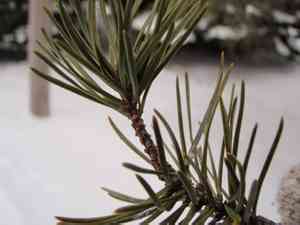
The unique, needle-like foliage and robust bark of Jack pine contribute distinct aesthetic charm to outdoor spaces.
3
Integrating Jack pine into your garden plan can greatly support indigenous fauna.
Introducing Jack Pine to Your Outdoor Space
Why Jack Pine is an Excellent Choice for Landscaping
Jack pine stands out for landscaping due to its remarkable hardiness and adaptability. This robust species flourishes in diverse soil types, from sandy to rocky, making it suitable for various garden settings. Its unique appearance, characterized by rugged bark and needle-like foliage, adds natural elegance and texture to any outdoor area. Furthermore, Jack pine endures harsh weather, making it a dependable and low-upkeep addition to your garden.
How Jack Pine's Features Enhance Outdoor Environments
Jack pine offers a distinct combination of aesthetic and practical advantages that improve outdoor areas. Its evergreen nature ensures year-round greenery, providing continuous visual appeal even in colder months. The tree's irregular, often picturesque shape creates focal points in garden designs, drawing the eye and adding depth and structure. Additionally, Jack pine is highly effective in windbreaks due to its dense foliage, making gardens more comfortable and sheltered.
Selecting the Ideal Spot for Jack Pine in Your Garden
Choosing the best location for Jack pine in your garden requires considering its light, soil, and space needs. Jack pine thrives in full sun, so pick an area that receives ample sunlight throughout the day. While it adapts to various soils, well-draining soil will encourage healthier growth. Given its mature size, plan its placement carefully to ensure it has sufficient room to grow without crowding other plants. Proper spacing will also highlight its natural beauty and ensure it becomes a prominent feature in your landscape.
Designing with Jack Pine: Approaches and Concepts
Utilizing Jack Pine's Attributes in Visual Landscaping
When designing with Jack pine, leverage its strong visual presence to create captivating garden scenes. Its rugged trunk and needle-like foliage can serve as a dramatic backdrop for softer, flowering plants, creating a striking contrast. Alternatively, use Jack pine as a solitary specimen tree in a prominent spot to attract attention. Experiment with planting groups of Jack pine to form a natural, cohesive cluster that mimics wild landscapes, adding an organic, untamed feel to your garden.
Pairing Jack Pine with Other Plants for Maximum Effect
Combining Jack pine with other plants can enhance your garden's overall beauty and ecological balance. Pair Jack pine with flowering shrubs and perennial flowers to introduce a variety of colors and textures. Consider plants that thrive in similar soil and sunlight conditions for harmonious coexistence. Layer your garden with low-growing ground covers that complement Jack pine's towering presence, creating a multi-dimensional landscape. This strategic combination not only maximizes visual impact but also fosters a resilient, diverse garden ecosystem.
Care Guidelines to Keep Jack Pine Flourishing in Your Yard
Maintaining Jack pine in your yard is relatively simple, thanks to its robust nature. Consistent watering during the initial planting phase is vital to establish strong roots. Once established, Jack pine is drought-tolerant and requires minimal watering, making it a low-maintenance option. Prune dead or damaged branches to maintain its shape and health, and consider mulching around the base to retain soil moisture and suppress weeds. Periodic soil testing can help you monitor and adjust soil conditions to keep Jack pine thriving.
The Environmental Advantages of Incorporating Jack Pine in Your Landscape
How Jack Pine Supports Local Wildlife
Jack pine plays a crucial role in supporting local wildlife, providing habitat and food sources for various species. Birds find nesting sites among its branches, while its seeds offer sustenance for small mammals and insects. By including Jack pine in your landscape, you contribute to the preservation of local biodiversity, creating a more vibrant and ecologically balanced environment.
The Role of Jack Pine in Eco-Friendly Landscaping
Incorporating Jack pine into your landscaping design promotes eco-sustainability by enhancing biodiversity and reducing the need for chemical fertilizers and pesticides. Its natural resilience means it requires fewer interventions, making it an environmentally sound choice. Moreover, Jack pine's ability to thrive in poor soil conditions enables revegetation of degraded lands, contributing to soil restoration and the overall health of the ecosystem.
Jack Pine's Contributions to Air Quality and Soil Health
Jack pine positively impacts air quality by absorbing carbon dioxide and releasing oxygen, essential for maintaining a healthy atmosphere. Its extensive root system helps prevent soil erosion, stabilizing the ground and improving soil structure. Additionally, fallen needles decompose and enrich the soil with organic matter, enhancing soil fertility and promoting the growth of other plants in your garden. By including Jack pine in your landscape, you play a part in fostering a healthier, more sustainable environment.



