Enhancing Your Garden Design with the Red spruce Plant: A Landscaping Guide
1
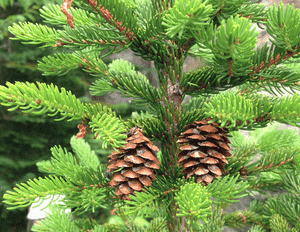
Red spruce is recognized for its vivid leaves and its attractiveness across various times of the year.
2
When establishing Red spruce, confirm it gets sufficient sun exposure and soil that drains properly for best development.
3
Consistent care and observation contribute to maintaining Red spruce's health and aesthetic value in your garden.
Exploring the Function of Red Spruce in Outdoor Design
Introduction to Red Spruce in Garden Settings
For enhancing a landscape, Red spruce emerges as a versatile and visually striking option. Renowned for its vigorous growth and vibrant green needles, Red spruce can act as a focal point or a complementary element in a garden. Its capacity to flourish in diverse climates makes it a flexible choice for many gardeners. Incorporating Red spruce into your landscape plan can introduce a touch of elegance and natural splendor to your outdoor areas.
Advantages of Incorporating Red Spruce into Your Garden
Integrating Red spruce into your garden offers numerous benefits. Firstly, it provides excellent coverage and seclusion, forming a natural barrier that can shield your home from wind and noise. Furthermore, Red spruce aids in improving air quality by filtering pollutants and generating oxygen. Its dense foliage serves as a habitat for birds and beneficial insects, fostering biodiversity in your garden. By including Red spruce, you're also promoting a healthier ecosystem.
Visual Appeal and Seasonal Transformations
A primary reason to feature Red spruce in your landscape is its aesthetic charm. Its rich green hue and conical form offer year-round beauty. However, Red spruce truly excels during seasonal shifts. In spring, new growth adds fresh vibrancy, while autumn's cooler temperatures reveal subtle color changes in the needles. Winter snow delicately resting on its branches can transform your garden into a picturesque winter scene.
Selecting the Optimal Site for Red Spruce
Sunlight and Soil Requirements
Ensuring Red spruce's peak health and development begins with choosing the correct location. Red spruce thrives in well-drained soil and greatly benefits from full sun, though it can endure partial shade. Prior to planting, test your soil to confirm it's slightly acidic, which Red spruce prefers. Amending the soil with organic compost can also provide a nutrient-rich environment conducive to robust growth.
Spacing and Placement Advice
Appropriate spacing is vital when planting Red spruce to prevent overcrowding and to guarantee each tree receives ample sunlight and air circulation. Aim to position each plant at least 12-15 feet apart. This spacing allows individual trees to fully mature without competing for resources. Consider the mature size of Red spruce; planting too close to structures or other plants can lead to issues as the tree develops.
Integration with Other Landscape Components
Integrating Red spruce with other elements of your landscape design can create a harmonious and visually pleasing outcome. Pair Red spruce with a mix of perennials and shrubs to add variety and texture. Utilize Red spruce as a backdrop for flowering plants to highlight seasonal blooms. Additionally, Red spruce can be strategically placed to frame views or establish natural pathways, enhancing the overall layout of your garden.
Design Concepts Featuring Red Spruce
Individual and Group Planting Approaches
Whether you aim to make a statement with a single specimen or cultivate a dense grove, Red spruce offers flexible planting choices. A solitary Red spruce can serve as a dramatic focal point, drawing the eye and providing a sense of structure. Group plantings, conversely, can create privacy screens, windbreaks, or tranquil forested areas. When planting in groups, stagger their arrangement to mimic a natural woodland appearance.
Establishing Focal Points with Red Spruce
To emphasize Red spruce as a focal point in your landscape, consider its placement and surrounding elements. Position Red spruce at the center of a garden bed or at the end of a pathway to attract attention. Accentuate its form and color by encircling it with contrasting plants, such as those with vibrant blooms or variegated foliage. Lighting can also enhance Red spruce's presence; uplighting its branches creates dramatic shadows and depth after dark.
Seasonal Embellishment Ideas Using Red Spruce
Seasonal decorations can further elevate the beauty of Red spruce. During the winter holidays, stringing lights or adding ornaments can transform Red spruce into a festive feature. In the fall, consider hanging seasonal wreaths or placing pumpkins at Red spruce's base to celebrate the harvest season. Spring and summer offer opportunities to adorn Red spruce with floral garlands or colorful containers filled with blossoms, making your garden vibrant and inviting.
Sustaining the Allure of Red Spruce Over Time
Basic Upkeep Suggestions
Maintaining Red spruce doesn't demand extensive effort, but consistent care is crucial for its health and appearance. Watering during dry periods, especially in the initial years, helps establish a deep root system. Mulching around the base conserves moisture and prevents weeds. Annual pruning, removing dead or diseased branches, ensures healthy growth and preserves the tree's shape.
Identifying and Addressing Potential Problems
Even with proper care, Red spruce can encounter issues such as pests and diseases. Regularly inspect your plants for signs of trouble, such as discolored needles or unusual growth patterns. Common problems include spider mites, aphids, and fungal infections. Early detection and treatment, often through organic or chemical solutions, can prevent these issues from spreading and harming your plants.
Long-term Growth Considerations
Thinking long-term is vital when caring for Red spruce. These trees can grow quite large, so planning for their mature size is important to avoid future conflicts with structures or other plants. Continually monitoring the soil's health and making adjustments as needed ensures your Red spruce remains robust over the years. Additionally, considering succession planting can provide continuous beauty if older trees begin to decline.



