Enhancing Your Garden Design with the Serbian spruce Plant: A Landscaping Guide
1
Serbian spruce fits well in diverse garden designs, ranging from structured formal layouts to understated Zen arrangements.
2
Correct placement and initial planting are vital for the robust development of Serbian spruce.
3
Strategic pairing with other plants alongside Serbian spruce can heighten its appeal and elevate your garden's visual charm.
An Introduction to Serbian Spruce in Landscape Design
A concise overview of the aesthetic and physical attributes of Serbian spruce
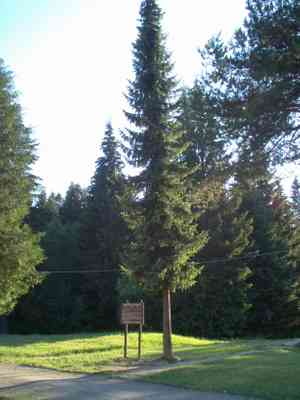
Serbian spruce is recognized for its graceful look, featuring slender, upright branches and a conical form that narrows at the apex. Its needles are deep green with a subtle blue tint, offering a distinct visual texture to any outdoor space. Typically reaching heights of up to 50 feet, Serbian spruce is impressive not only in stature but also in its capacity to integrate seamlessly into diverse garden themes, providing continuous appeal with its evergreen foliage.
Understanding the widespread appeal of Serbian spruce in contemporary landscaping
Serbian spruce is increasingly favored in modern landscape design due to its adaptability and minimal maintenance needs. Its robust nature allows it to flourish in various climates, making it a preferred choice among landscape architects and homeowners alike. Furthermore, Serbian spruce's ability to retain its beauty across seasons and its relatively slow growth rate ensures it can be a stable, enduring centerpiece in any garden plan.
Integrating Serbian Spruce into Various Landscape Styles
Incorporating Serbian spruce into formal garden layouts
In formal garden designs, the structured, symmetrical shape of Serbian spruce can be utilized to establish focal points or delineate boundaries. Its upright growth habit and uniformity make it an excellent option for lining walkways or creating an imposing backdrop for flower beds and other garden elements. When combined with neatly trimmed hedges and geometric arrangements, Serbian spruce imparts a sense of grandeur and sophistication to formal gardens.
Employing Serbian spruce in informal, naturalistic environments
Serbian spruce fits beautifully into informal and naturalistic garden settings, where its organic form and inherent beauty can truly shine. Planted in clusters or as a standalone specimen among other native flora and perennials, Serbian spruce contributes to a more relaxed and natural ambiance. It can serve as a gentle anchor, providing structure without dominating the softer, flowing lines characteristic of informal garden designs.
Integration of Serbian spruce in minimalist or Zen garden designs
The tranquil aesthetic of Serbian spruce aligns perfectly with minimalist and Zen garden styles. Its simple yet striking appearance helps foster a calm and meditative atmosphere, crucial in such garden designs. Often paired with gravel, stones, and water features, Serbian spruce can function as a central element, drawing the eye and promoting a sense of serenity. Its evergreen nature ensures that the minimalist garden remains visually appealing throughout the year.
Optimal Positioning and Planting of Serbian Spruce
Choosing the ideal location for Serbian spruce in your garden
Selecting the appropriate site for Serbian spruce is vital for its health and its aesthetic contribution to your landscape. Ideally, Serbian spruce should be planted in a spot with well-drained soil and access to full or partial sunlight. Avoid areas prone to waterlogging, as this can impede its growth and lead to root rot. Consider placing Serbian spruce where it can serve as a backdrop or natural screen, enhancing the overall structure of your garden.
Guidelines for planting Serbian spruce to ensure robust growth
When planting Serbian spruce, ensure that the hole is twice as wide and as deep as the root ball to facilitate root expansion and stability. It's also beneficial to incorporate compost or other organic material into the soil to enhance nutrient availability. After planting, water thoroughly and apply a layer of mulch around the base to retain moisture and suppress weed growth. Regularly check soil moisture levels and irrigate during dry spells to support healthy establishment and development.
Pairing Serbian Spruce with Other Plant Species
Selecting companion plants for Serbian spruce that enhance its beauty
Choosing the right companion plants for Serbian spruce can highlight its beauty and contribute to a cohesive garden design. Consider pairing Serbian spruce with perennials, such as hostas or ferns, that offer contrasting textures and colors. Shrubs with vibrant blooms or foliage, like rhododendrons or azaleas, can provide a striking contrast to Serbian spruce's green needles. By carefully selecting plants with varying heights, flowering times, and foliage types, you can create a dynamic and visually appealing landscape.
Avoiding common errors when combining Serbian spruce with incompatible species
It's important to avoid planting Serbian spruce with species that have conflicting water, soil, or light requirements. For instance, refrain from mixing Serbian spruce with plants that prefer high moisture levels or acidic soils, as this can lead to poor growth and health issues. Additionally, ensure that nearby plants do not overshadow Serbian spruce, depriving it of the sunlight it needs. By understanding the requirements of Serbian spruce and its potential companions, you can prevent common mistakes and ensure a harmonious and thriving garden.
Seasonal Considerations for Serbian Spruce in Landscapes
Caring for Serbian spruce across different seasons
Caring for Serbian spruce involves understanding its seasonal needs to ensure its year-round vitality. In spring and summer, consistent watering and occasional fertilization can help promote growth. As autumn approaches, reduce watering to allow the tree to acclimate before winter. During the winter months, Serbian spruce generally requires minimal care, but it's advisable to remove heavy snow from its branches to prevent damage. Regularly inspect for pests or diseases throughout the year, addressing any issues promptly to maintain Serbian spruce's health and appearance.
Visual transformations of Serbian spruce throughout the year
Serbian spruce exhibits subtle yet noticeable visual changes as the seasons progress. In spring, new growth appears as light green buds at the branch tips, adding a fresh touch to the landscape. Summer sees the needles deepen to their characteristic blue-green hue, providing a lush and full appearance. During autumn, while Serbian spruce remains evergreen, the surrounding foliage changes can emphasize its steadfast presence. Winter highlights Serbian spruce's resilience, with its sturdy form and evergreen needles standing out against a snowy backdrop, adding structure and color to winter gardens.



