Enhancing Your Garden Design with the White spruce Plant: A Landscaping Guide
1
White spruce provides continuous aesthetic appeal, making it a adaptable option for any outdoor space.
2
Its distinct features allow White spruce to enhance both classic and contemporary garden aesthetics.
3
With careful placement, White spruce harmonizes effectively with various bushes, blooms, and ornamental features.
Appreciating the Visual Charm of White Spruce
Discover the Distinctive Appearance of White Spruce
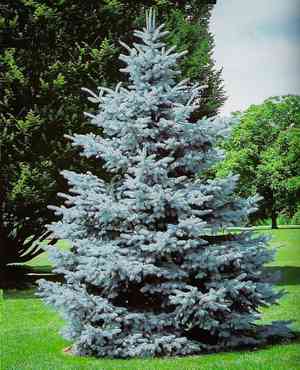
White spruce is celebrated for its striking look, defined by its tall, slender form and dense, blue-green foliage. Its pyramidal shape adds vertical interest and structure to any garden. The needles of White spruce are short yet sturdy, creating a lush, full appearance that remains attractive throughout the year. Whether used as a central feature or part of a layered planting scheme, White spruce stands out with its unique texture and shape, fitting seamlessly into various landscape designs.
Year-Round Allure of White Spruce: Seasonal Highlights
White spruce offers a dynamic range of beauty across the seasons. In spring, its fresh new growth brings a vibrant green tint, while summer maintains a deep, rich hue. By autumn, the subtle color shift provides a muted tone that contrasts wonderfully with the fiery colors of surrounding deciduous trees. Wintertime truly highlights White spruce's resilience and beauty as its foliage provides a splash of green against a snowy backdrop. This continuous appeal ensures that White spruce remains a valuable asset to the landscape regardless of the season.
Integrating White Spruce into Diverse Landscape Styles
Classic Garden Designs Featuring White Spruce
For those who prefer traditional garden aesthetics, White spruce makes a perfect addition. Its formal, architectural shape suits symmetrical layouts and classic planting arrangements. Imagine it flanking a grand entrance or lining a formal driveway. Its evergreen nature helps maintain structure and formality year-round, making it an excellent choice for hedging and background plantings. When paired with other traditional plants like boxwoods and roses, White spruce elevates the overall aesthetic to timeless elegance.
Modern Landscapes and White Spruce: A Contemporary Approach
White spruce isn't limited to traditional settings; it thrives equally in modern landscape designs. Its clean lines and consistent form provide a minimalist, yet bold statement, pairing wonderfully with sleek, contemporary elements like metallic sculptures, clean stone pathways, and water features. Whether using White spruce as a standalone specimen or in a grouping for a dramatic effect, its versatility allows for creative expression in modern outdoor spaces. The blue-green needles of White spruce, contrasted with monochromatic or bright-colored hardscape materials, bring a strikingly modern vibe to any garden.
Companion Plants and Elements for White Spruce
Shrubs and Flowers That Complement White Spruce
When choosing companion plants for White spruce, consider those that enhance its form and color. Shrubs like hydrangeas, azaleas, and rhododendrons offer beautiful blooms that play off the rich green of White spruce. Flowering perennials such as daylilies and hostas can add vibrant color contrasts and layers of texture. Ground covers like creeping juniper or even colorful annuals planted at its base can create a stunning visual effect. The key is to select plants that highlight White spruce's attributes while contributing to a dynamic and harmonious garden composition.
Decorative Features to Enhance White Spruce's Impact
Beyond plant companions, decorative elements can also amplify White spruce's presence in your landscape. Incorporate features like garden benches, bird baths, or stone sculptures near White spruce to create focal points that draw the eye. Landscape lighting is another excellent way to enhance White spruce's appeal, highlighting its structure and providing ambiance after dusk. Garden paths leading to or framing White spruce with natural stones or wood chips can guide visitors and add an element of exploration. Thoughtful integration of these decorative touches can significantly elevate the overall aesthetic and functionality of your landscape.
Practical Tips for Arranging White Spruce in Your Garden
Spacing and Placement: Maximizing White Spruce's Beauty
Correct spacing and strategic placement are crucial for maximizing the visual impact of White spruce in your garden. Ensure enough space for White spruce to grow to its full size without overcrowding, typically around 10-12 feet apart if planting in a row or group. Consider its mature height and width to avoid future issues with buildings or other structures. Position White spruce where it can serve as a focal point or a visually interesting backdrop, giving thought to sightlines from different angles of your garden. Proper spacing ensures each tree can thrive and display its full beauty.
Light and Soil Requirements for Optimal White Spruce Growth
To thrive, White spruce requires specific light and soil conditions. Plant it in an area where it can receive full sun to partial shade, ensuring at least 6 hours of direct sunlight daily. The soil should be well-draining but can range from loamy to sandy textures. It's crucial to avoid waterlogged areas, as this can harm the roots. Amend the soil with organic matter to provide necessary nutrients, and mulch around the base to retain moisture and regulate temperature. Regular watering, especially in the first few years, will help establish a robust root system for White spruce.



