Enhancing Your Garden Design with the Common ninebark Plant: A Landscaping Guide
1
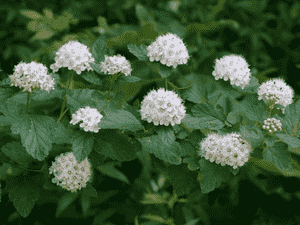
The common ninebark provides striking seasonal color changes that can enhance your garden all year long.
2
Its distinct texture and shape make this plant an attractive feature in any garden layout.
3
Common ninebark is recognized for its versatility, integrating well into diverse landscape designs and dimensions.
Exploring the Visual Appeal of Common ninebark
Seasonal Color Shifts: Its Evolution Through the Year
A key captivating aspect of Common ninebark is its capacity to display a diverse spectrum of colors throughout the seasons. In spring, its leaves often emerge with a reddish or bronze tint. As summer progresses, the foliage transitions to a vivid green, offering a lush backdrop for your garden. By autumn, Common ninebark reveals golden, red, and orange hues, creating a warm, inviting ambiance. This seasonal change ensures your garden always presents fresh visual interest and never appears static.
Distinctive Texture and Shape: Enhancing Garden Aesthetics
Common ninebark offers more than just color; its unique texture and form can significantly enrich your garden's visual appeal. The plant features attractive, peeling bark that provides textural depth even in winter. Its arching branches and layered appearance can introduce depth and dimension to your landscape. Whether you aim to break up monotonous garden beds or establish a focal point, Common ninebark serves as a versatile option that elevates the overall aesthetic.
Flexible Dimensions: Integrating Common ninebark into Diverse Landscape Designs
Another excellent characteristic of Common ninebark is its adaptable size. This shrub typically reaches a medium height, generally between 5 to 10 feet, making it suitable for various landscape applications. You can prune it to maintain a smaller, more controlled form or allow it to grow naturally for a fuller, more expansive look. Its versatility makes it an ideal choice for different landscape schemes, whether you're designing a compact urban garden or an extensive rural backyard.
Integrating Common ninebark into Various Garden Styles
Formal Garden Settings: Boosting Symmetry and Structure
Common ninebark can be an excellent addition to formal garden settings, where symmetry and structure are paramount. Its neatly arranged leaves and consistent growth pattern can be easily pruned and shaped to maintain clean lines and defined borders. The shrub's adaptability allows it to function as a structured hedge or a standalone focal point, seamlessly blending into meticulously planned garden layouts. This makes Common ninebark a versatile choice for those aiming for a more traditional and organized garden aesthetic.
Cottage Gardens: Contributing to a Relaxed and Informal Look
For those who prefer a more relaxed and informal garden aesthetic, Common ninebark fits perfectly into cottage garden designs. The plant’s naturally arching branches and varied seasonal colors provide a whimsical, romantic feel that complements the free-flowing style of cottage gardens. Common ninebark's ability to blend well with other flowering species creates a harmonious, vibrant environment that appears both intentional and effortlessly beautiful. Its presence enhances the garden’s overall charm, making it an enchanting space for leisure.
Contemporary Designs: Complementing Modern Architectural Elements
In contemporary landscape designs, where clean lines and minimalism prevail, Common ninebark can act as a link between natural elements and modern architecture. Its distinctive texture, form, and adaptable size allow it to complement sleek, modern design elements without overwhelming them. The shrub can be used to soften hardscapes like concrete paths or metal sculptures, adding a touch of organic beauty to modern outdoor spaces.
Practical Advantages of Including Common ninebark in Your Landscape
Low-Maintenance Nature: Simplicity of Cultivation and Care
One of the key benefits of incorporating Common ninebark into your landscape is its low-maintenance nature. This plant is resilient and requires minimal attention, making it perfect for busy gardeners or those new to gardening. It thrives with basic watering and occasional pruning, and it can tolerate a range of soil types and conditions. This ease of maintenance ensures your landscape remains beautiful with little effort on your part.
Resilience in Diverse Climates: Thriving Across Zones
Common ninebark is renowned for its durability and capacity to flourish in various climates. It can withstand both high and low temperatures, making it a versatile addition to gardens in different USDA hardiness zones. Its resistance to drought, pests, and diseases further enhances its appeal, ensuring it remains a robust and attractive feature in your landscape throughout the year.
Wildlife Attraction: Supporting Local Fauna
Adding Common ninebark to your garden can also benefit local wildlife. Its flowers attract pollinators like bees and butterflies, while the dense foliage provides shelter for birds and other small animals. By incorporating Common ninebark into your landscape, you not only enhance your garden’s aesthetic appeal but also contribute to your local ecosystem's health and biodiversity.



