Enhancing Your Garden Design with the Black bamboo Plant: A Landscaping Guide
1
Black bamboo is celebrated for its distinctive dark stems, offering a unique aesthetic to any outdoor space.
2
Grouping Black bamboo together can form organic, sophisticated privacy hedges and sound dampeners.
3
Consistent care and thoughtful positioning guarantee Black bamboo blends effortlessly into current garden designs.
Exploring the Distinctive Visual Appeal of Black Bamboo
The striking color contrast of Black bamboo
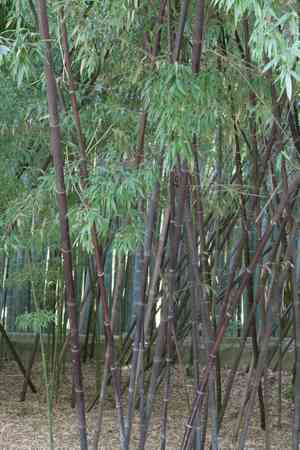
Black bamboo is renowned for its unique dark culms that provide a stark contrast against its vibrant green leaves. This particular color scheme distinguishes Black bamboo from other varieties, creating a visually captivating element in any garden. The deep black stems paired with lush foliage introduce a dramatic flair, serving as an impressive focal point or an elegant backdrop for other plants. Its alluring hue not only enhances the garden's beauty but also imparts a sophisticated touch that elevates the overall design.
Tall, elegant growth patterns
The towering and graceful growth habits of Black bamboo make it an excellent addition to any outdoor space. Typically reaching heights of 20 to 30 feet, Black bamboo introduces a vertical dimension that can break up flat areas and add depth to your garden. Its slender, elegant stalks gently sway in the breeze, bringing movement and vitality to your outdoor environment. The upward lines draw the eye, fostering a sense of spaciousness and openness, and can effectively frame views or serve as a natural screen.
Seasonal changes and their visual impact
One of Black bamboo's charms is its seasonal transformation, maintaining its allure throughout the year. In spring, new shoots emerge with a fresh, bright green hue that gradually darkens to a deep black as they mature. Summer sees Black bamboo in full leaf, providing dense, verdant foliage that offers cool, calming shade. As autumn approaches, you might observe a slight yellowing in some leaves, adding a subtle hint of seasonal change without diminishing its fundamental beauty. Even in winter, Black bamboo remains resilient, its evergreen leaves and striking black culms beautifully contrasting with bare trees and snowy landscapes.
Integrating Black Bamboo into Your Existing Landscape
Assessing your current garden layout
Before incorporating Black bamboo into your garden, it's vital to evaluate your current design. Consider existing elements such as plant types, structures, and focal points. Identify areas that could benefit from a vertical accent or a natural screen. Assessing sun exposure, soil conditions, and available space will help you select the most appropriate location for Black bamboo. By understanding how Black bamboo will interact with the current landscape, you can ensure a harmonious integration that enhances overall aesthetics.
Positioning Black bamboo for optimal effect
Correctly positioning Black bamboo is crucial to maximize its aesthetic and practical advantages. Plant Black bamboo in spots where its height and striking colors can be fully appreciated, such as alongside paths, near seating areas, or as a centerpiece in garden beds. Ensure it has ample room to grow and is not overcrowded by other plants. Consider planting it in groups to create a natural privacy barrier or as a windbreak. When placed thoughtfully, Black bamboo can become a prominent feature that enriches the visual and environmental quality of your garden.
Combining Black bamboo with other plants
To create a unified and vibrant landscape, pair Black bamboo with complementary plants. Combine it with plants that have contrasting colors, textures, or growth habits to heighten visual interest. For instance, the dark culms of Black bamboo look stunning against bright flowering perennials or alongside ornamental grasses with varied textures. Use it as a backdrop for smaller, colorful shrubs or as a contrast to plants with lighter foliage. Thoughtful plant combinations will highlight Black bamboo's unique qualities while contributing to a balanced and dynamic garden design.
Practical Tips for Planting and Maintenance
Best time and conditions for planting Black bamboo
Early spring or late autumn are ideal periods to plant Black bamboo, as moderate temperatures and ample rainfall support healthy establishment. Select a well-drained site with loamy soil and ensure the area receives partial to full sunlight. Dig a generous hole, twice the width and depth of the root ball, to facilitate easy root growth. Incorporating organic compost can improve soil fertility and encourage robust development. Water the plant thoroughly after planting and continue to provide moisture regularly, especially during the initial growth phase.
Essential care tips to thrive Black bamboo
To ensure Black bamboo flourishes, consistent care and attention are vital. Water deeply to keep the soil consistently moist, particularly during dry spells. Mulching around the base helps retain moisture and regulate soil temperature. Prune any dead or damaged canes to maintain the plant's health and aesthetic appeal. Fertilizing Black bamboo with a balanced feed in spring and mid-summer promotes vigorous growth. Additionally, monitor for pests or diseases and address them promptly to keep your Black bamboo looking its best.
Monitoring and managing growth
While Black bamboo is relatively low-maintenance, monitoring its growth ensures it remains healthy and within desired limits. Regularly check for any signs of excessive growth or spreading beyond designated areas. If necessary, use barriers to control its spread, as Black bamboo can propagate through underground rhizomes. Thinning out older canes can prevent overcrowding and promote air circulation. With proper management, Black bamboo can thrive without becoming invasive, providing lasting beauty and structure to your garden.
Creative Landscaping Projects Using Black Bamboo
Creating natural privacy screens
Black bamboo is perfect for establishing natural privacy screens that offer both beauty and utility. Planting it in dense clusters can form a living barrier that blocks undesirable views and enhances privacy. This natural screen also functions as a windbreak and noise filter, creating a more tranquil and protected garden environment. The tall, elegant canes and dense foliage provide an attractive and effective solution for defining boundaries and creating private outdoor spaces.
Designing serene garden paths
Incorporate Black bamboo along garden paths to create a peaceful and inviting walkway. The slender, towering canes and lush foliage lining a path can evoke a sense of calm and elegance. The gentle rustling of the leaves as you stroll through creates a serene atmosphere, making it a delightful experience. Use Black bamboo to frame the pathway, creating a natural tunnel effect or interspersing it with other plants to enhance the visual journey through your garden.
Innovative uses of Black bamboo in landscape art
Black bamboo offers endless possibilities for inventive landscape art. Use it to create striking focal points, unique garden structures, or even sculptural elements. Its flexible yet sturdy canes can be shaped into arches, trellises, or latticework, adding artistic flair to your garden. Experiment with spacing and arrangement to create patterns or visual effects. Whether as a standalone feature or integrated into a larger design, Black bamboo brings a dynamic and creative touch to any landscape project.



