Enhancing Your Garden Design with the Taiwanese photinia Plant: A Landscaping Guide
1
Taiwanese photinia provides continuous attractiveness due to its lively leaves.
2
Proper planting improves both its vitality and aesthetic charm.
3
Taiwanese photinia integrates well into diverse garden landscaping concepts.
Introducing Taiwanese photinia: A Flexible Option for Your Garden
Understanding the distinct features of Taiwanese photinia
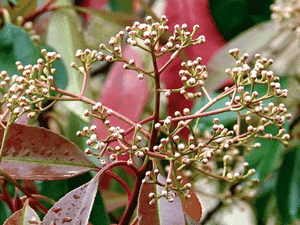
When selecting plants for your outdoor space, Taiwanese photinia distinguishes itself with its unique blend of attributes. This adaptable shrub, recognized for its rich, evergreen leaves and glossy texture, offers both beauty and utility to your garden. Its capacity to adapt to various soil types and its resilience in diverse climates make it a gardener's delight. Noted for its vivid red new leaves that mature to a deep green, Taiwanese photinia consistently provides a dynamic visual appeal, ensuring year-round interest for your landscape.
Taiwanese photinia's enduring charm throughout the year
A primary reason to incorporate Taiwanese photinia into your landscape is its consistent appeal across all seasons. In spring and summer, the plant showcases vibrant, new red growth, creating a striking contrast against more common green foliage. As seasons shift to autumn and winter, Taiwanese photinia maintains its color and form, fostering a lush and inviting atmosphere even in colder months. This sustained aesthetic quality guarantees your garden remains attractive and lively, regardless of the time of year.
The role of Taiwanese photinia in crafting dynamic garden designs
In landscape planning, the inclusion of Taiwanese photinia can significantly enhance the structure and vibrancy of your garden layout. Its dense habit makes it an excellent choice for hedges or privacy screens, while its height and spread can provide essential depth and dimension. Whether utilized as a solitary specimen or in mass plantings, Taiwanese photinia's adaptability allows for imaginative design possibilities, enabling you to create a garden that is both practical and visually captivating.
Selecting the Ideal Location for Taiwanese photinia in Your Landscape
Identifying optimal planting sites for vigor and development
Choosing the perfect spot for Taiwanese photinia is vital for its health and growth. Ideally, select a location that provides full to partial sunlight, allowing the plant to flourish and display its best coloration. Taiwanese photinia prefers well-draining soil, so avoid areas prone to water accumulation. Placing Taiwanese photinia in a site with good air circulation is also beneficial as it helps prevent potential diseases and promotes robust development. By carefully selecting the right location, you can ensure Taiwanese photinia thrives and adds lasting beauty to your landscape.
Pairing Taiwanese photinia with other plants for visual harmony
Creating a unified and balanced garden involves thoughtful plant pairings. Taiwanese photinia's striking foliage complements both flowering plants and other evergreens beautifully. Consider integrating Taiwanese photinia with plants that possess complementary colors and textures. For instance, the bold reds and greens of Taiwanese photinia can be accentuated by placing it alongside perennials with purple or blue blooms, or contrasting it with the softer textures and hues of ornamental grasses. This deliberate combination can enhance the visual interest and equilibrium within your garden.
Light and soil considerations for maximizing Taiwanese photinia's potential
To fully realize Taiwanese photinia's potential, carefully consider its light and soil requirements. While Taiwanese photinia can endure a range of light conditions, it performs best in locations receiving morning sun and afternoon shade. This balance allows the plant to develop its characteristic vibrant new growth while shielding it from intense midday heat. Additionally, ensure the soil is slightly acidic to neutral and well-draining to support healthy root development. Regular mulching around the plant's base can help retain moisture and regulate soil temperature.
Integrating Taiwanese photinia into Various Design Concepts
Utilizing Taiwanese photinia in structured garden environments
In formal garden settings, Taiwanese photinia can play a key role in establishing a structured and refined ambiance. Its ability to be pruned into precise lines and shapes makes it perfect for creating hedges or topiaries. Use Taiwanese photinia to border pathways, define edges, or create symmetrical features that convey a sense of order and sophistication. This plant's structured appearance can anchor the design, allowing for the inclusion of other elements such as paths and water features to complete the polished look.
Incorporating Taiwanese photinia into relaxed, naturalistic designs
For more informal and naturalistic garden designs, Taiwanese photinia offers a softer, more organic presence. Allow Taiwanese photinia to grow in a more natural form to highlight its inherent beauty, blending seamlessly with other shrubs, trees, and perennials. Placing Taiwanese photinia among wildflowers and native plants can create a rich tapestry of textures and colors that evoke a sense of a serene, untouched landscape. This approach fosters a garden environment that feels inviting and effortlessly beautiful.
Exploring innovative uses of Taiwanese photinia in contemporary landscapes
Modern landscape designs often emphasize clean lines, minimalist plantings, and bold statements. Taiwanese photinia can be creatively used to align with this aesthetic by being featured as a focal point or in geometric arrangements. Its vibrant foliage can provide a stunning backdrop for contemporary hardscape elements such as concrete walls or metal sculptures. Additionally, Taiwanese photinia can be planted in large, artistic containers to create focal points that draw the eye and enhance the modern appeal of your garden.
Maintaining the Aesthetic Appeal of Taiwanese photinia
Regular upkeep tasks for Taiwanese photinia
Keeping Taiwanese photinia looking its best involves routine maintenance. Pruning is essential to maintain its form and encourage new growth. Trim back overgrown branches and remove any dead or damaged foliage to keep the plant healthy and attractive. Regularly check for pests and diseases, and take appropriate action if any issues arise. Fertilizing Taiwanese photinia in early spring with a balanced fertilizer can support its vibrant growth and overall health throughout the growing season.
Seasonal considerations for preserving Taiwanese photinia's visual impact
Seasonal care is crucial for maintaining Taiwanese photinia's visual appeal year-round. In the spring, focus on pruning and feeding the plant to stimulate new growth. During the summer, ensure adequate watering, especially during dry periods, to keep the foliage lush and vibrant. In autumn, a thorough clean-up of fallen leaves and debris around the base can prevent potential disease. Finally, in winter, a light mulch can protect the roots from extreme cold, ensuring the plant remains healthy and ready to burst into color come spring.
Addressing common aesthetic issues with Taiwanese photinia
Even with optimal care, Taiwanese photinia may encounter some aesthetic challenges. To address these, be proactive in monitoring the plant's health. For instance, if you notice uneven growth, consider rotating the plant if it's in a container or correcting watering practices. Should foliage discoloration occur, it might indicate nutrient deficiencies or soil pH imbalances, which can be rectified with appropriate amendments. Consistent care and attention to these details will help maintain Taiwanese photinia's stunning appearance throughout its lifespan.



