Enhancing Your Garden Design with the New zealand flax Plant: A Landscaping Guide
1
New Zealand flax offers diverse applications, serving as a centerpiece, a companion plant, or a border.
2
Optimal positioning for New Zealand flax requires evaluating light and ground conditions to ensure peak development.
3
Consistent upkeep, including trimming and seasonal attention, is crucial for maintaining the lively appearance of New Zealand flax.
Introducing New Zealand Flax in Landscape Design
Overview of New Zealand Flax as a Landscaping Feature
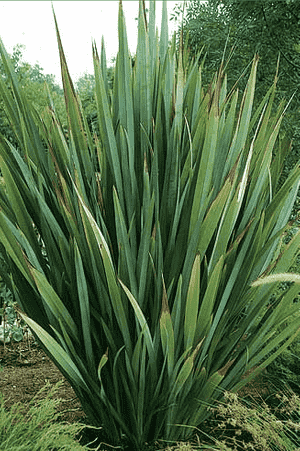
To enhance your garden's visual appeal, New Zealand flax is an outstanding option. This plant is recognized for its impressive look, featuring long, blade-like leaves in various hues, from deep greens to vivid reds and yellows. These characteristics make New Zealand flax a versatile and captivating addition to any outdoor area. It's an excellent choice for both modern and classic garden styles, integrating smoothly into diverse landscaping themes. Its robust nature and sculptural form can transform simple garden layouts into refined landscapes.
Advantages of Incorporating New Zealand Flax in Outdoor Spaces
Integrating New Zealand flax into your landscape design offers numerous benefits beyond its aesthetic appeal. Its resilient nature means it can flourish in various environments, making it an accessible option for many gardeners. Additionally, New Zealand flax is low-maintenance, requiring minimal irrigation once established, which is ideal for those desiring a beautiful yet easy-to-manage garden. It also serves as an effective erosion control plant due to its strong root system, helping to stabilize soil on slopes or other vulnerable areas.
Design Concepts Utilizing New Zealand Flax
Creating Focal Points with New Zealand Flax
New Zealand flax excels at establishing prominent focal points in gardens. Its bold foliage can be used to attract attention and add interest to otherwise unadorned areas. Placing New Zealand flax at strategic spots such as the end of pathways, near water features, or in the center of a garden bed can create a dramatic and impactful visual anchor. Its height and color variations can also be used to break the monotony of green landscapes, providing a vibrant splash of color that enhances the overall design.
Pairing New Zealand Flax with Other Plants
To cultivate a lush and diverse garden, consider combining New Zealand flax with complementary plants. It pairs well with ornamental grasses, succulents, and flowering perennials, adding texture and depth. When combining plants, consider varying heights, colors, and leaf shapes to create an engaging and dynamic landscape. For instance, mixing New Zealand flax with purple lavender or silver-leafed plants can result in a visually striking contrast. This combination not only enhances the garden's beauty but also promotes biodiversity and a healthy garden ecosystem.
Borders and Edging with New Zealand Flax
New Zealand flax is an excellent choice for borders and edging due to its structured form and sturdy leaves. When used along pathways, driveways, or garden beds, it provides a neat, organized appearance while also adding an element of design interest. The plant's upright growth habit creates a natural barrier that can define spaces without being intrusive, offering a clean and linear aesthetic that works especially well in formal garden designs.
Optimal Placement of New Zealand Flax in Gardens
Assessing Light and Soil Conditions for New Zealand Flax
For optimal growth, New Zealand flax thrives in full sun to partial shade. When planting New Zealand flax, consider areas in your garden where it will receive at least six hours of sunlight daily. This ensures vibrant foliage and robust health. In terms of soil, New Zealand flax isn't particularly demanding but does best in well-drained soil. If your garden soil tends to retain water, amending it with organic matter or gravel can improve drainage and prevent root rot, ensuring the plant's longevity.
Spacing Considerations for Growth and Impact
Given New Zealand flax's potential size, appropriate spacing is crucial. When planting, ensure there's ample room for the plant to mature, typically allowing 3 to 4 feet between each for standard varieties. This spacing allows the plant to spread without overcrowding, promoting healthy growth and making a stronger visual impact. If planting multiple New Zealand flax in a line for a hedge or border, maintaining consistent spacing can achieve a uniform, structured look.
Maintaining the Aesthetic of New Zealand Flax
Pruning and Trimming Advice for New Zealand Flax
Maintaining New Zealand flax's striking appearance involves regular pruning and trimming. Remove any dead or damaged leaves to keep the plant looking tidy and to promote new growth. Pruning can be done annually during the plant's dormant season to avoid stress. Using clean, sharp tools helps prevent the spread of disease, and targeting the base of the leaves ensures you do not damage the plant.
Seasonal Care for Sustaining Vibrancy
Seasonal care is important for maintaining New Zealand flax's vibrant appearance. In spring, applying a balanced fertilizer can stimulate growth and enhance leaf color. During dry periods, occasional deep watering can help maintain the plant's vitality. In colder climates, mulching around the base of New Zealand flax can provide extra protection against frost, ensuring the plant remains healthy year-round.
Common Challenges and Solutions with New Zealand Flax
Addressing Pests and Diseases
While generally hardy, New Zealand flax can occasionally be affected by pests like aphids or diseases such as root rot. Regularly inspect your plants for any signs of trouble, such as discolored leaves or stunted growth. Natural pest control methods, such as introducing beneficial insects or using insecticidal soap, can effectively manage infestations. Ensuring good air circulation and proper watering practices can help prevent disease.
Managing Environmental Stress Factors
Environmental stress factors, such as extreme weather conditions, can impact New Zealand flax's health. During heatwaves, providing extra water can help the plant cope with the stress. In regions prone to heavy winds, planting New Zealand flax in sheltered locations can prevent leaf damage. Understanding your local climate and providing the necessary care will help keep your New Zealand flax thriving despite challenging conditions.



