Enhancing Your Garden Design with the Pygmy date palm Plant: A Landscaping Guide
1
The Pygmy date palm brings an air of sophistication and tropical charm to any outdoor setting.
2
Strategic positioning and maintenance of the Pygmy date palm can greatly enhance your garden's visual appeal.
3
Incorporating the Pygmy date palm alongside various plant types and garden aesthetics provides diverse design options.
Pygmy Date Palm in Landscape Design: An Overview
Why is the Pygmy Date Palm a favored choice for garden and landscape professionals?
The Pygmy date palm is a cherished selection among gardeners and landscapers due to its adaptability and aesthetic appeal. This charming plant imparts a tropical feel, making it perfect for areas needing an exotic touch without dominating the space. Its gradual growth rate allows it to fit into diverse landscape schemes without constant pruning or confinement, positioning it as an ideal low-maintenance option.
A brief look at the Pygmy Date Palm's visual characteristics and dimensions
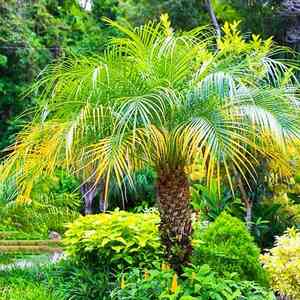
The Pygmy date palm distinguishes itself in any environment with its slender trunk and delicate fronds. Typically, it reaches a manageable height of approximately 6-10 feet, making it suitable for compact gardens, patios, and even large containers. Its lush, fine fronds add texture and movement, creating a visually engaging and dynamic landscape feature year-round.
Selecting the Optimal Site for Pygmy Date Palm
Key considerations before planting Pygmy Date Palm
Prior to introducing Pygmy date palm to your garden, it's essential to evaluate several factors such as soil composition, sun exposure, and drainage. This plant thrives in well-drained, slightly acidic to neutral soil. Furthermore, assessing your garden's microclimate can help ensure the Pygmy date palm has the best conditions for growth, where it can be shielded from strong winds and extreme temperatures.
Guidelines for determining the best light exposure and spacing for Pygmy Date Palm
Pygmy date palm prefers partial shade to full sun, meaning you should select a spot that receives filtered sunlight throughout the day. When planting multiple Pygmy date palms, ensuring adequate spacing is crucial to prevent overcrowding. Allowing at least 3 to 4 feet between each plant facilitates sufficient air circulation, reducing disease risk and promoting healthier development.
Integrating Pygmy Date Palm into Various Garden Styles
Combining Pygmy Date Palm with other plant species
Pygmy date palm harmonizes beautifully with a range of plant varieties. Its tropical appearance complements other subtropical plants such as hibiscus, bromeliads, and ferns. For a striking contrast, consider planting Pygmy date palm alongside vibrant perennials or ornamental grasses. This combination not only enhances visual interest but also provides a multi-layered look to your garden.
Examples of garden themes that complement Pygmy Date Palm
Pygmy date palm blends seamlessly with various garden themes. For a Mediterranean-inspired garden, pairing Pygmy date palm with olive trees, lavender, and rosemary creates an authentic atmosphere. In an Asian-themed garden, planting Pygmy date palm among bamboo, azaleas, and Japanese maples can help achieve a serene, zen-like ambiance. Its adaptability makes it a fantastic addition to both eclectic and formal gardens.
Maintaining the Aesthetic Appeal of Pygmy Date Palm
Seasonal care considerations for Pygmy Date Palm
To keep Pygmy date palm looking its best throughout the year, understanding its seasonal requirements is vital. During the active growth period, consistent watering and occasional feeding with a balanced fertilizer will encourage lush, green fronds. In colder months, protect Pygmy date palm from frost by mulching around its base or covering it with a frost cloth. Regular checks for pests and diseases can prevent potential issues from diminishing its beauty.
Preserving Pygmy Date Palm's appearance with minimal effort
Pygmy date palm does not demand extensive upkeep to remain attractive. Pruning dead or damaged fronds as they appear keeps the plant neat and healthy. Its slow growth rate means it won't quickly outgrow its space, allowing you to enjoy its beauty without frequent intervention. With minimal effort, Pygmy date palm will continue to enhance your landscape with its elegant presence.
Pairing Pygmy Date Palm with Hardscaping Elements
Effective applications of Pygmy Date Palm in rock gardens and along pathways
Incorporating Pygmy date palm into rock gardens and beside pathways can create a striking visual contrast. The delicate fronds of Pygmy date palm complement the rugged texture of rocks, adding softness and height to the design. When positioned along pathways, Pygmy date palm can guide the eye and provide a visual flow through the garden. This use not only defines spaces but also enhances the journey through your landscape.
How to integrate Pygmy Date Palm with modern and traditional hardscapes
Pygmy date palm's adaptability allows it to fit comfortably in both modern and traditional hardscape designs. In a contemporary garden setting, pairing Pygmy date palm with sleek concrete or metallic elements can create a modern look. Conversely, in a more traditional landscape, using Pygmy date palm alongside natural stone, bricks, or wooden structures adds warmth and depth. Its flexible nature ensures it integrates smoothly with a variety of design aesthetics.



