Enhancing Your Garden Design with the Canary island date palm Plant: A Landscaping Guide
1
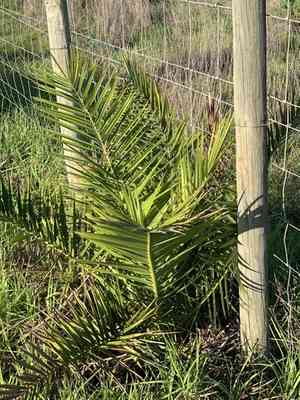
The Canary Island date palm instantly elevates the sophistication and stature of any outdoor setting.
2
Selecting an appropriate site for the Canary Island date palm guarantees its best development and visual charm.
3
Consistent upkeep is crucial for maintaining the Canary Island date palm's attractiveness through the years.
Appreciating the Visual Charm of Canary island date palm
Distinctive characteristics that make Canary island date palm stand out in garden design
The architectural grace of Canary island date palm can greatly improve any outdoor area. Its impressive height and broad fronds create a canopy effect that adds a tropical sophistication, making it a preferred option among landscape designers. With a sturdy trunk and balanced growth pattern, Canary island date palm offers a striking vertical element that can break up the uniformity of flat landscapes. Whether utilized in home gardens or commercial settings, the unique outline of Canary island date palm draws attention upwards, creating a sense of grandeur.
The influence of Canary island date palm's dimensions and form on landscape aesthetics
The dimensions and form of Canary island date palm are crucial in enhancing landscape visuals. Typically reaching heights of 40 to 60 feet, Canary island date palm commands attention and serves as a centerpiece in any garden. Its spread, often 20 to 30 feet wide, provides ample shade, making it perfect for creating cool, relaxing outdoor spaces. The pyramid-shaped crown of fronds offers a balanced and symmetrical appearance, contributing to a well-organized and attractive garden layout. This makes Canary island date palm an excellent choice for adding layers and depth to landscapes.
Hue and texture: How Canary island date palm complements outdoor environments
The vibrant green fronds of Canary island date palm provide a refreshing contrast to other garden elements, such as flowers, shrubs, and hardscaping features. The feathery texture adds softness and movement, enhancing the dynamic quality of the landscape. Furthermore, the trunk's rugged texture and warm brown color offer an interesting visual and tactile contrast to the lush greenery. This balance of color and texture not only beautifies the space but also makes it more inviting and aesthetically pleasing.
Strategic Placement of Canary island date palm in Landscape Planning
Selecting the optimal site for Canary island date palm for peak development
To ensure Canary island date palm thrives and retains its beauty, choosing the correct planting location is vital. Canary island date palm prefers well-draining soil and abundant sunlight to reach its full potential. Avoid areas with poor drainage or where water tends to accumulate, as this can lead to root rot. Additionally, consider the mature size of Canary island date palm when planting; ensure there's sufficient space for its roots to spread without interfering with structures or other plants. Proper placement not only encourages healthy growth but also maximizes the tree's visual impact in the landscape.
Utilizing Canary island date palm as a central feature in garden and yard designs
Canary island date palm serves as an impressive focal point in any landscape design. Its towering presence can anchor a garden, drawing the eye and creating a sense of depth and dimension. Position Canary island date palm at the center of a circular driveway, in the middle of a lawn, or at the entrance of a property to make a bold statement. Moreover, grouping several Canary island date palm together can create a dramatic visual effect, reminiscent of tropical oases. This strategic placement not only enhances visual appeal but also adds value to the property.
Balancing light and shade: Effective methods with Canary island date palm
Balancing sunlight and shade is crucial when incorporating Canary island date palm into your landscape. While Canary island date palm flourishes in full sun, its expansive fronds can create significant shaded areas beneath. This offers a perfect opportunity to plant shade-loving understory plants, like ferns or hostas, which can thrive in the cooler, sheltered environment. Ensure that Canary island date palm is placed where it will receive ample sunlight for at least six hours daily, which is essential for its health and vigorous growth. Using Canary island date palm to provide natural shade can also help protect more delicate plants from intense midday sun.
Companion Planting with Canary island date palm
Choosing compatible species for interplanting with Canary island date palm
When designing a garden with Canary island date palm, selecting the right companion plants can enhance the overall aesthetic and health of your landscape. Consider plants that thrive under similar conditions, such as well-drained soil and sunny locations. Mediterranean plants like lavender, rosemary, or agave are excellent choices. Their shorter stature and contrasting textures complement the tall fronds of Canary island date palm, creating a layered and harmonious look. Additionally, ground covers like creeping thyme or mondo grass can fill in the spaces at Canary island date palm's base, adding a lush, green carpet that enhances visual appeal.
Understanding the advantages of biodiversity with Canary island date palm
Introducing a variety of plant species around Canary island date palm can significantly benefit your garden's ecosystem. Biodiversity promotes healthier soil, attracts beneficial insects, and reduces the risk of disease spread. Incorporating flowering plants can attract pollinators like bees and butterflies, which are vital for your garden's health. Furthermore, diverse plantings can reduce pest problems, as pests are less likely to target a garden with a mixed planting scheme. This makes Canary island date palm not just a visual centerpiece, but also a catalyst for a thriving, balanced garden environment.
Seasonal considerations for year-round attractiveness with Canary island date palm
To ensure your garden remains appealing throughout the year, consider how the plants around Canary island date palm will change with the seasons. In spring and summer, flowers such as lilies, marigolds, and daisies can add vibrant colors. During autumn, consider planting perennials like asters and chrysanthemums that bloom in fall shades of orange, yellow, and purple. Evergreen shrubs and winter-blooming plants like hellebores can provide structure and color during colder months. By planning for seasonal changes, you can ensure that Canary island date palm and its companion plants keep your landscape beautiful all year long.
Maintaining Canary island date palm's Visual Impact Over Time
Regular care tips for sustained health and beauty of Canary island date palm
Consistent maintenance is essential to keep Canary island date palm looking its best. Begin with proper wateringâensure the soil stays moist but not waterlogged. Regular removal of dead or yellowing fronds not only improves the tree's appearance but also encourages healthy growth. Mulching around the base can help retain moisture and suppress weeds. Fertilize Canary island date palm once or twice annually with a balanced fertilizer to provide essential nutrients. Frequent inspection for pests and diseases can prevent minor issues from escalating. Consistent care ensures that Canary island date palm remains a stunning focal point in your landscape.
Practical steps for disease prevention in Canary island date palm
Preventing disease in Canary island date palm begins with selecting disease-resistant varieties and providing optimal growing conditions. Avoid overwatering, as damp conditions can foster fungal growth. Regularly clear debris and fallen fronds around the base, as these can harbor pests and pathogens. Applying a copper-based fungicide can help protect against common fungal diseases. Additionally, spacing Canary island date palm adequately from other plants promotes good air circulation, reducing the likelihood of disease. Monitoring the health of Canary island date palm and addressing issues promptly can significantly reduce the risk of serious diseases.
Adjusting landscaping practices as Canary island date palm matures
As Canary island date palm matures, its needs and impact on the landscape will evolve. Mature trees require less frequent watering but still benefit from deep watering during dry periods. The shaded area will expand, potentially necessitating adjustments to surrounding plantings. Pruning may become more complex and might require professional assistance to safely remove larger fronds. Additionally, consider the tree's growth when planning hardscaping; roots may lift pavement if planted too close. By adapting your landscaping practices to accommodate Canary island date palm's growth, you can ensure it remains a healthy and integral part of your design.



