Enhancing Your Garden Design with the Blue curls Plant: A Landscaping Guide
1
Blue curls offers aesthetic appeal through its distinct blue flowers, making it an outstanding option for garden design.
2
Blue curls integrates well with other flora to achieve a balanced garden aesthetic.
3
Proper maintenance for Blue curls involves knowing its needs for light, moisture, and substrate.
Exploring the Distinctive Charm of Blue curls
Visual Traits: What Makes Blue curls Prominent in Landscaping?
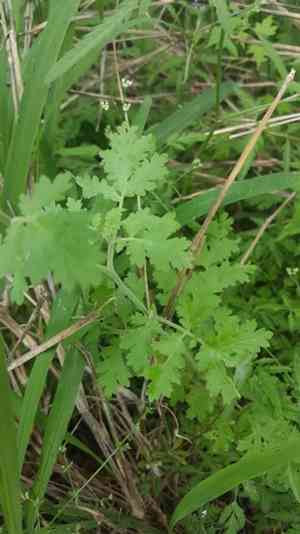
Blue curls is celebrated for its striking blue blossoms that can establish a refreshing and lively ambiance in any garden. These flowers exhibit a unique curling form that imparts a touch of grace and whimsy to the scenery. The particular shade of Blue curls's flowers can offer a captivating contrast against the green foliage of other plants, making it an excellent option for those aiming to introduce a burst of color to their garden. Furthermore, the delicate texture and shape of Blue curls render it a versatile plant capable of complementing diverse garden styles, from contemporary to traditional cottage gardens.
Seasonal Transformations: How Does Blue curls Change Throughout the Year?
One of Blue curls's most remarkable attributes is its capacity to evolve with the seasons, providing continuous allure and diversity in your garden. In early spring, Blue curls begins to emerge with bright green leaves that set the stage for its magnificent blooms. As the year progresses, the flowers appear and reach their peak from late spring to early summer, presenting a vibrant spectacle of blue. By autumn, the faded blossoms give way to seed pods, which can introduce a different textural element to the garden. This evolution ensures that Blue curls remains a focal point throughout the growing season, showcasing its dynamic contribution to garden landscaping.
Integrating Blue curls into Your Existing Landscape
Companion Plants: What Complements Blue curls Well?
Selecting appropriate companion plants for Blue curls can amplify its beauty and ensure a harmonious garden design. Consider pairing Blue curls with plants that possess contrasting colors and textures to generate visual interest. For instance, yellow sunflowers or goldenrod can complement the blue tones of Blue curls, creating a striking juxtaposition. Additionally, plants with varied foliage shapes, such as ferns or hostas, can provide an attractive backdrop for Blue curls. It's also advantageous to choose companion plants that share similar growing conditions, guaranteeing that all plants flourish together without competing for resources.
Design Concepts: Crafting a Unified Aesthetic with Blue curls
Blue curls can be an essential component of various garden design themes. For a cottage garden aesthetic, combine Blue curls with other classic blooms like roses, foxgloves, and hollyhocks. The blend of Blue curls's distinctive flowers with these traditional plants can evoke a charming, timeless atmosphere. For modern or minimalist gardens, utilize Blue curls in clusters to create bold blocks of color against more streamlined elements such as ornamental grasses or neatly trimmed hedges. By thoughtfully incorporating Blue curls into your chosen design theme, you can cultivate a cohesive and visually pleasing garden that reflects your personal taste.
Care Guidelines for Blue curls in Landscape Settings
Light and Water Needs: Optimizing Blue curls's Vitality
Ensuring Blue curls thrives in your garden necessitates understanding its light and water requirements. Blue curls prefers full sun to partial shade, enabling it to produce the finest blooms. Regarding watering, Blue curls flourishes in well-drained soil and requires moderate irrigation. Excessive watering can lead to root rot, so it's crucial to allow the soil to dry out slightly between watering sessions. In areas with frequent rainfall, ensuring proper drainage will help prevent waterlogging. Knowing these fundamental needs will help you cultivate a healthy and vibrant Blue curls in your garden.
Mulching and Soil Management: Ensuring the Best Environment for Blue curls
Maintaining the correct soil conditions is vital for the health of Blue curls. Applying a layer of mulch around the base of Blue curls can help retain moisture, regulate soil temperature, and suppress weeds. Organic mulches, such as shredded bark or compost, gradually decompose and enrich the soil, supplying additional nutrients. Moreover, it's important to periodically assess the soil pH and quality, ensuring it remains slightly acidic to neutral. Amending the soil with compost or organic matter can enhance its fertility and structure, promoting robust growth for Blue curls.
Innovative Ways to Showcase Blue curls in Your Garden
Focal Points: Highlighting Blue curls as a Central Element
Blue curls can serve as a stunning focal point in garden design, drawing attention and generating interest. Consider planting Blue curls in strategic locations such as the center of a flower bed, at the entrance of a garden path, or in a large container on your patio. Grouping several Blue curls plants together can create a dense, visually impactful display that captures the eye. Adding garden ornaments or decorative rocks around Blue curls can further emphasize its beauty and establish it as a central feature of your landscape.
Borders and Edges: Utilizing Blue curls for Structure and Flow
Using Blue curls along garden borders and edges can define the structure of your landscape and create a seamless flow. The distinctive flowering pattern and color of Blue curls provide a natural boundary that can separate different garden sections or line pathways. Planting Blue curls in a zigzag pattern along borders can create a more natural, flowing appearance, while a straight line can offer a more formal and structured look. This adaptability allows you to employ Blue curls in various ways to enhance your garden's overall design and functionality.



