Enhancing Your Garden Design with the Russian sage Plant: A Landscaping Guide
1
Perovskia atriplicifolia tolerates dry conditions, making it excellent for eco-friendly garden designs.
2
Introducing Russian sage can draw helpful insects and local fauna to your outdoor space.
3
This plant needs little upkeep, rendering it perfect for low-maintenance garden areas.
Introducing Russian Sage to Your Garden: A Visual Guide
Understanding the Visual Impact of Russian Sage
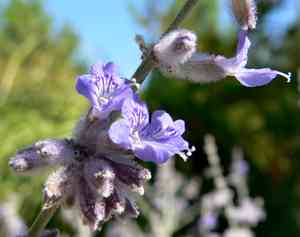
Adding Russian sage to your garden can elevate your landscape's appearance with its striking look. This perennial plant boasts silvery-green leaves and vibrant purple blooms from late summer to fall, creating a visually dynamic and attractive setting. Russian sage not only provides a burst of color but its tall, airy structure also adds movement and texture, making your garden more visually engaging. With its distinct aesthetic, Russian sage can act as a focal point or complement other plants for a unified visual theme.
Choosing the Right Location for Russian Sage
Selecting the appropriate spot for Russian sage is crucial for its growth and beauty. Russian sage thrives in full sun and well-drained soil, which allows it to grow healthily and maintain its vibrant hue. Plan to place it in garden areas that receive at least six hours of direct sunlight daily. Avoid waterlogged or overly shaded locations, as these conditions may impede its development. By choosing the ideal site, you ensure Russian sage can flourish and enhance your landscape's appeal.
Companion Plants that Complement Russian Sage
Pairing Russian sage with suitable companion plants can further boost your garden's visual charm. Plants that thrive in similar conditions, such as lavender, sage, and other sun-loving perennials, make excellent partners. These plants can create a harmonious color palette and textural contrast, improving the overall aesthetic of your garden. Moreover, compatible plants can share the same watering schedule, simplifying garden upkeep. Consider planting low-growing ground covers at the base of Russian sage for a lush, multi-layered appearance.
The Role of Russian Sage in Eco-Friendly Landscaping
Benefits of Russian Sage in Sustainable Gardens
Russian sage plays a significant role in sustainable gardening by offering several environmental advantages. Its drought tolerance reduces the need for irrigation, making it an excellent choice for eco-friendly landscaping. As a perennial, it minimizes replanting, conserving resources and lessening garden waste. Additionally, Russian sage can improve soil health through its deep root system, which helps prevent soil erosion and promotes water infiltration. By including Russian sage in your landscape, you contribute to a more sustainable environment.
How Russian Sage Supports Local Wildlife
Incorporating Russian sage into your garden not only enhances its beauty but also supports local wildlife. The plant's flowers are a favorite among bees, butterflies, and other pollinators, which are essential for maintaining biodiversity. By providing a consistent nectar source throughout its blooming season, Russian sage helps sustain these beneficial insects. Also, its dense foliage can offer shelter to small creatures, encouraging a thriving, balanced ecosystem in your garden. Consequently, Russian sage can play a vital role in supporting local wildlife and promoting ecological health.
Water Conservation and Russian Sage
Russian sage is a water-wise plant, making it a valuable addition to gardens focused on water conservation. Once established, it requires minimal watering, reducing the overall water consumption in your garden. This characteristic is particularly beneficial in areas prone to drought or with water restrictions. Additionally, planting Russian sage can help lower the demand on local water resources, contributing to a more sustainable and resilient landscape. By selecting Russian sage for your garden, you're making a conscious choice to support water conservation efforts.
Maintenance Tips for Russian Sage in Landscapes
Seasonal Care for Russian Sage
To maintain the health and beauty of Russian sage, it's important to provide it with proper seasonal care. In early spring, cut back any old growth to encourage fresh, vigorous new shoots. This practice not only keeps the plant looking tidy but also promotes better air circulation, reducing the risk of disease. During the growing season, keep an eye out for any pests or issues, and address them promptly. As the blooming season ends, remove spent flowers to encourage continued blooming and prevent self-seeding all over your garden.
Pruning Techniques for Optimal Growth
Pruning Russian sage is essential for maintaining its shape and encouraging optimal growth. In late winter or early spring, before new growth begins, prune the plant back to about 6-8 inches above the ground. This hard pruning stimulates new growth and ensures a dense, compact shape. Throughout the growing season, you can also lightly trim the plant to maintain its desired form. Regular pruning not only enhances the appearance of Russian sage but also promotes healthier, more vigorous growth, leading to more abundant blooms.
Fertilization and Soil Health for Russian Sage
While Russian sage is relatively low-maintenance, proper fertilization and soil health can boost its growth and blooms. Use a balanced, slow-release fertilizer in early spring to provide essential nutrients for the growing season. Ensure the soil is well-drained and consider adding organic matter, such as compost, to improve soil structure and fertility. Avoid over-fertilizing, as this can lead to excessive foliage growth at the expense of flowers. By maintaining soil health, you create optimal conditions for Russian sage to thrive and enhance your garden's aesthetics.
Design Strategies Featuring Russian Sage
Incorporating Russian Sage into Theme Gardens
Russian sage is versatile and can be incorporated into various garden themes to enhance your landscape design. Whether you're creating a Mediterranean-themed garden, a cottage garden, or a modern minimalist space, Russian sage's unique foliage and flowers can play a pivotal role. Its drought-tolerant nature also makes it an excellent choice for xeriscaping. By strategically placing Russian sage within your theme garden, you can create a cohesive and visually stimulating landscape that resonates with your chosen design aesthetic.
Using Russian Sage to Create Natural Borders
Natural borders can add structure and definition to your garden, and Russian sage is an ideal choice for this purpose. Planting Russian sage along pathways, driveways, or garden beds can create attractive and functional borders. Its tall and airy form not only delineates spaces but also allows light to filter through, preventing dark and overly dense areas. Additionally, the extended blooming period of Russian sage ensures that your borders remain colorful and appealing for most of the year, contributing to a well-organized and beautiful garden layout.
Highlighting Russian Sage in Rock and Zen Gardens
Russian sage can be a standout feature in rock and Zen gardens thanks to its unique texture and form. Its silvery-green foliage contrasts beautifully with rocks and gravels often used in these garden styles. Additionally, Russian sage's low water requirement aligns perfectly with the minimalistic and sustainable principles of Zen gardens. When placed strategically among rocks or used as a backdrop for a stone element, Russian sage can enhance the tranquility and visual appeal of your rock or Zen garden. This creates a serene and meditative space in your landscape.



