Enhancing Your Garden Design with the Baby rubber plant Plant: A Landscaping Guide
1
The Baby rubber plant provides a distinctive combination of aesthetic charm and functional advantages for both contemporary and classic garden designs.
2
Its diminutive size makes the Baby rubber plant perfectly suited for confined gardens and metropolitan settings.
3
Introducing the Baby rubber plant to your outdoor area can aid native fauna and enhance ecological variety.
Appreciating the Visual Charm of Baby Rubber Plant
Appearance Details: Color and Feel
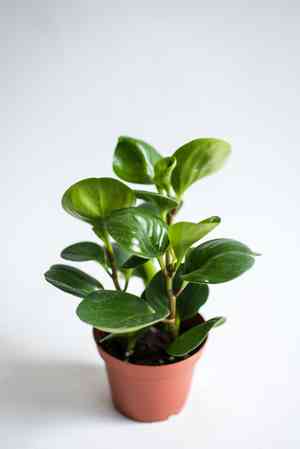
A prominent characteristic of the Baby rubber plant is its lively, striking look, which refreshes any environment. Its rich, green leaves often possess a subtle luster, giving them a slightly reflective quality in sunlight. The leaf surface is smooth and somewhat plump, providing a pleasing contrast to garden plants with rougher or duller foliage. These visual attributes make the Baby rubber plant a flexible option for introducing both hue and texture to your garden.
Dimensions and Growth Pattern: Perfect for Restricted Areas
The Baby rubber plant is especially suitable for limited spaces due to its modest size and contained growth habit. Typically reaching a height of 8-12 inches, this plant doesn't require extensive room, making it ideal for small gardens, patio containers, or indoor pots. It develops in a dense, bushy manner, effectively filling space without overshadowing other plants. This positions the Baby rubber plant as an excellent choice for garden edges, potted arrangements, or as a feature plant in compact urban gardens.
Incorporating Baby Rubber Plant into Diverse Landscape Aesthetics
Harmonizing with Modern Designs
The Baby rubber plant blends effortlessly into contemporary landscape designs, which frequently prioritize crisp lines and a minimalist aesthetic. Its smooth, shiny leaves and compact form can provide a sleek, refined appearance that enhances the modern feel of contemporary gardens. Consider pairing the Baby rubber plant with stones, metal elements, or geometric planters to forge a cohesive modern look. It also performs well as part of a green wall or vertical garden, adding a touch of nature without sacrificing style.
Elevating Traditional Garden Layouts
For more classic garden configurations, the Baby rubber plant can serve as an appealing addition that complements more conventional elements. Its subtle elegance pairs well with perennial blooms, shrubs, and garden ornaments commonly found in traditional landscapes. Utilize the Baby rubber plant to fill voids between larger plants, or to line pathways, improving the garden's overall structure and flow. This integration ensures the Baby rubber plant enhances visual appeal without clashing with existing traditional components.
Practical Placement Ideas for Baby Rubber Plant
Borders and Edges: Defining Paths
A practical application for the Baby rubber plant in your landscaping is to position it along borders and edges. Its compact size and tidy growth habit make it perfect for outlining walkways, garden paths, and driveways. By doing so, the Baby rubber plant not only defines the area but also adds a lush, green boundary that can direct the gaze through the garden. It creates a soft, welcoming look and can be combined with other border plants for a more varied visual effect.
Clumps and Groupings: Generating Visual Interest
Another effective placement tactic is to arrange Baby rubber plants in clusters or groupings. This method can create a powerful visual impact, making the plant a focal point in your garden. Grouping several Baby rubber plants together can also amplify their inherent beauty, making them appear more luxuriant and vibrant. Consider planting clusters at differing heights and depths, or combining them with various plants to craft a rich, layered landscape. This arrangement works well in both ground-level garden beds and elevated planters.
Care Guidelines for Baby Rubber Plant in Your Garden
Moisture Needs and Light Preferences
The Baby rubber plant is relatively easy to care for, making it an excellent choice for novice gardeners or those seeking a low-maintenance plant. It prefers moderate irrigation, allowing the soil to dry out between waterings to prevent root rot. Regarding sunlight, the Baby rubber plant thrives in bright, indirect light but can also endure low-light conditions, rendering it adaptable to diverse garden environments. However, for optimal growth and appearance, providing it with filtered light will help sustain its vibrancy and health.
Seasonal Maintenance Adjustments
To ensure the Baby rubber plant flourishes throughout the year, it's crucial to make some seasonal care modifications. During the active growing period in spring and summer, ensure it receives sufficient water and occasional feeding with a balanced fertilizer. Conversely, during the winter months, decrease watering and move the Baby rubber plant to a location where it can obtain as much natural light as possible, especially if indoors, to compensate for shorter daylight hours. This adaptability makes the Baby rubber plant a resilient addition to your garden.
Ecological Advantages of Including Baby Rubber Plant in Landscaping
Support for Local Fauna
Beyond its aesthetic appeal, the Baby rubber plant can positively contribute to the local ecosystem. By planting the Baby rubber plant, you provide a habitat for various small insects and other wildlife. This support aids in maintaining a healthy balance in your garden, fostering pollination and natural pest management. The presence of these tiny creatures can lead to a more vibrant, lively garden space, enriching the overall environment.
Enhancement of Biodiversity
Incorporating the Baby rubber plant into your landscape design also strengthens biodiversity in your garden. This plant contributes to the variety of species in your garden, making it a more robust and balanced ecosystem. Biodiversity improves soil health, naturally controls pests, and can lead to more fruitful and productive gardening. By selecting plants like the Baby rubber plant, you are contributing to sustainable and eco-friendly gardening practices.



