Enhancing Your Garden Design with the Watermelon peperomia Plant: A Landscaping Guide
1
Watermelon peperomia flourishes in soil that drains well and receives moderate moisture.
2
It's a superb option for both interior and exterior garden spaces.
3
Its distinctive foliage design brings a visually appealing feature to any garden setting.
Introducing Watermelon Peperomia to Your Landscape
Appreciating the distinct look of Watermelon Peperomia
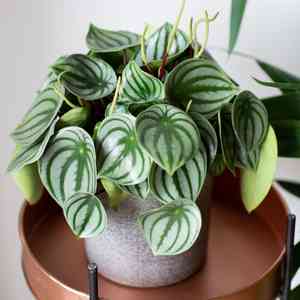
A standout characteristic of Watermelon Peperomia is its striking foliage, reminiscent of a watermelon's skin. This unique visual appeal makes it an exceptional addition to any garden. Its leaves are oval-shaped, featuring alternating dark green and silver stripes, creating a captivating display. This plant brings a tropical feel and a whimsical touch to the landscape, making it a favorite for gardeners seeking visual interest.
Why select Watermelon Peperomia for your garden?
There are several compelling reasons to include Watermelon Peperomia in your garden. Firstly, its compact size makes it perfect for smaller areas, including container gardens and indoor settings. It's adaptable to various lighting conditions, though it prefers bright, indirect light. Furthermore, Watermelon Peperomia requires relatively little upkeep, making it an excellent choice for both new and experienced gardeners. Its attractive leaves can serve as a focal point or complement other plants, adding variety and depth to your garden design.
Optimal Placement for Watermelon Peperomia in Your Landscape
Best spots for Watermelon Peperomia in garden settings
Watermelon Peperomia is adaptable and can be situated in various garden locations. It thrives in shaded spots where other plants might struggle, such as beneath trees or in the shadow of larger vegetation. Additionally, its compact growth habit makes it suitable as an edging plant along paths or borders. Indoors, it enhances windowsills, tabletops, and hanging baskets, bringing a vibrant touch to interior spaces.
Considering light and shade requirements
While Watermelon Peperomia is resilient, it has specific lighting needs for optimal growth. It flourishes in bright, indirect light but can tolerate lower light levels. Direct sunlight should be avoided as it can scorch the leaves. For outdoor planting, select a location that receives filtered sunlight, like under a tree canopy. If grown indoors, place it near a window with sheer curtains to diffuse the light. Meeting its light needs ensures Watermelon Peperomia maintains its vivid colors and unique patterns.
Pairing Watermelon Peperomia with Other Plants
Companion plants for Watermelon Peperomia
To create a harmonious and visually pleasing garden, consider pairing Watermelon Peperomia with plants that offer contrasting textures and colors. Ferns, with their delicate fronds, can provide a beautiful contrast to the bold, patterned leaves of Watermelon Peperomia. Additionally, shade-loving plants like hostas and caladiums complement Watermelon Peperomia well, creating a lush, multi-layered look. The key is to choose plants with similar light and moisture needs to ensure all garden inhabitants thrive together.
Achieving visual balance
Achieving visual balance involves harmonizing different elements in your garden. With Watermelon Peperomia, its distinctive foliage can be a focal point or part of a larger plant grouping. Consider placing it near plants with solid-colored leaves to highlight its patterns even more. You can also experiment with varying heights and textures to create a dynamic and engaging garden layout. Using decorative pots or garden ornaments can further enhance the visual appeal and unify the overall design theme.
Seasonal Care for Watermelon Peperomia
What to expect throughout the year
Watermelon Peperomia is a perennial, meaning it can live for several years with proper care. In warmer climates, its growth remains fairly consistent year-round. However, in cooler regions or during winter, its growth may slow, and you might observe fewer leaves. It's crucial to monitor your plant and adjust your care routine accordingly. For instance, you may need to reduce watering during the dormant winter months to prevent root rot.
Preparing Watermelon Peperomia for changing seasons
As seasons shift, so should your care routine for Watermelon Peperomia. In spring and summer, during active growth, regular watering and occasional feeding with a balanced fertilizer can encourage healthy development. During fall and winter, decrease watering frequency and move the plant to a slightly warmer spot if grown indoors. If you're in an area with harsh winters, consider bringing outdoor plants inside or providing extra protection, such as mulching the base, to shield them from cold temperatures.
Maintaining the Allure of Watermelon Peperomia
Regular inspections and upkeep
Maintaining the beauty of Watermelon Peperomia involves a few routine checks and practices. Regularly inspect the plant for signs of pests or disease, which may include discolored leaves or unusual spots. Prune any damaged or dead leaves to keep the plant looking neat and to prevent the spread of potential issues. Also, ensure the soil remains well-drained and not waterlogged, as excessive moisture can lead to root rot.
Tips for enduring visual appeal
To ensure Watermelon Peperomia remains attractive throughout the year, consider rotating the plant occasionally to promote even growth. This helps all sides receive adequate light. Repotting the plant every couple of years can provide fresh soil, supplying the necessary nutrients for continued health. Additionally, gently cleaning the leaves with a damp cloth can remove dust and allow the plant to photosynthesize more efficiently, further contributing to its lush appearance.
Creative Uses for Watermelon Peperomia in Landscape Design
Unique design concepts with Watermelon Peperomia
Incorporating Watermelon Peperomia into your landscape design can inspire several unique themes. For a tropical ambiance, combine it with other exotic plants like palms and orchids. If you prefer a more minimalist aesthetic, plant Watermelon Peperomia in sleek, modern containers and pair it with plants that have clean lines and subtle colors. The adaptability of Watermelon Peperomia allows it to fit various garden themes, from whimsical and playful to elegant and serene.
Innovative placement and application advice
Think beyond conventional planting methods and get creative with Watermelon Peperomia. Use it in vertical gardens to add height and dimension to your space. It can also be integrated into living walls, creating a lush green backdrop indoors or outdoors. Hanging baskets offer another inventive way to display its unique foliage. For container gardens, consider combining Watermelon Peperomia with other small to medium-sized plants in a single pot to create a miniature garden that can be easily moved and adjusted as needed.



