Enhancing Your Garden Design with the Texas Swamp-Mallow Plant: A Landscaping Guide
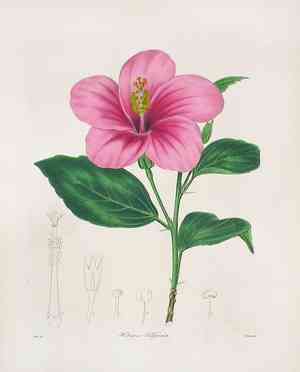
1
The Texas Swamp-Mallow requires minimal upkeep, perfect for those with limited time for gardening.
2
Due to its ability to withstand dry spells, the Texas Swamp-Mallow flourishes in arid environments, lessening the necessity for regular irrigation.
3
The Texas Swamp-Mallow produces vivid flowers that boost the aesthetic charm of any outdoor space.
Benefits of Incorporating Texas Swamp-Mallow into Your Garden
Effortless Upkeep
For those desiring a beautiful garden without constant effort, Texas Swamp-Mallow is an excellent option. This resilient plant demands minimal attention once established. It's ideal for busy individuals or novice gardeners. The plant flourishes with infrequent watering and light pruning, allowing you to appreciate its charm with less work.
Arid Condition Tolerance
A key characteristic of Texas Swamp-Mallow is its capacity to endure dry spells. This makes it a perfect choice for gardens in dry climates or for those aiming to reduce water consumption. Its hardiness means less concern during droughts and a lower water bill, all while maintaining a lush and vibrant garden.
Aesthetic Charm
Texas Swamp-Mallow is not only practical but also stunning. It produces vivid blossoms that can significantly enhance the visual appeal of any garden area. Whether you seek a burst of color in a uniform garden or a striking focal point in a mixed planting, Texas Swamp-Mallow can provide the visual interest you desire.
Pairing Texas Swamp-Mallow with Other Flora
Harmonizing Hues
To achieve a visually unified garden, combine Texas Swamp-Mallow's flowers with plants offering contrasting colors. For example, if Texas Swamp-Mallow has pink blooms, consider plants with blue or purple flowers. This contrast can highlight each plant individually while adding a balanced harmony to the overall design.
Elevation and Form
Utilize Texas Swamp-Mallow's growth pattern to introduce layers and depth to your garden. Its moderate height makes it suitable for mid-ground placements, bridging the space between taller background plants and shorter foreground plants. This layering technique creates a more dynamic and visually engaging landscape.
Texture Blending
Integrate Texas Swamp-Mallow with plants of diverse textures to enrich the tactile and visual complexity of your garden. Pair its relatively smooth leaves and brightly colored flowers with grasses or plants featuring leathery, silvery foliage. This combination not only enhances the garden's beauty but also fosters a more engaging sensory experience.
Yearly Considerations for Texas Swamp-Mallow
Flowering Period
Texas Swamp-Mallow typically flowers during warmer seasons, offering a splash of color in your garden during spring and summer. Understanding its bloom time helps you design a garden with continuous appeal. You can plan for other plants to flower earlier or later to ensure your garden remains vibrant throughout the year.
Perennial Interest
Although its peak bloom is in warmer months, Texas Swamp-Mallow also possesses attractive foliage that can provide visual interest year-round. By incorporating evergreens and other plants with winter appeal, you can create a garden that remains engaging even after Texas Swamp-Mallow's flowers have faded.
Practical Advice for Cultivating Texas Swamp-Mallow
Optimal Sites
Texas Swamp-Mallow thrives in full sun but can endure partial shade. Select a spot in your garden where it will receive at least six hours of direct sunlight daily for the best flowering results. Consider areas visible from your windows or outdoor seating to maximize your enjoyment of its beauty.
Soil Needs
Texas Swamp-Mallow is quite adaptable to various soil types but prefers well-drained soil. Incorporate organic compost to enrich the soil and improve its drainage. This helps prevent root rot and ensures the plant flourishes.
Spacing Guidelines
When planting Texas Swamp-Mallow, ensure adequate spacing for air circulation and growth. Plant each Texas Swamp-Mallow approximately 2 to 3 feet apart. This not only helps prevent disease but also provides sufficient room for the plants to reach their full potential without overcrowding.



