Enhancing Your Garden Design with the Blue passionflower Plant: A Landscaping Guide
1
The blue passionflower adapts well to gardens of all sizes, offering flexibility in landscape planning.
2
Appropriate care and seasonal modifications are crucial for the blue passionflower's best growth and sustained vitality.
3
Pairing the blue passionflower with suitable companion plants can elevate your garden's visual charm.
Introducing Blue passionflower to Your Garden
Why Choose Blue passionflower for Your Landscaping?
Opting for Blue passionflower in your garden design can introduce an element of exotic allure and distinct visual appeal. This resilient and adaptable plant is celebrated for its striking blossoms and abundant foliage, making it an excellent selection for establishing focal points or enhancing overall aesthetic charm. Furthermore, Blue passionflower demands relatively little upkeep, allowing you to appreciate its splendor without excessive time and effort. Whether you're an experienced gardener or a novice, Blue passionflower is a superb addition that can elevate the charm of any outdoor space.
Primary Characteristics of Blue passionflower
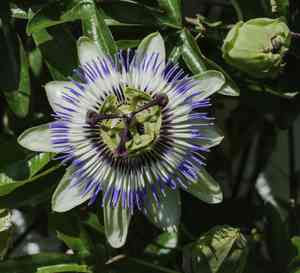
Blue passionflower is distinguished by its remarkably intricate blooms, appearing in shades of blue and white, often exhibiting unique radial symmetry. Its vine-like growth habit enables it to ascend structures, making it ideal for adorning trellises, fences, or any vertical area needing greenery. The plant flourishes in full sun to partial shade and prefers well-drained soil. It can also endure brief dry spells once established. These attributes render Blue passionflower a versatile plant capable of adapting to diverse garden environments while offering continuous visual interest.
Design Ideas for Blue passionflower in Garden Landscapes
Creating Focal Points with Blue passionflower
A prime method for integrating Blue passionflower into your garden layout is to utilize it as a central feature. Its distinctive flowers can capture attention and become a talking point among guests. Position Blue passionflower near entrances, along pathways, or in the heart of your garden beds to generate a powerful visual impact. Employing trellises or pergolas can also amplify its presence, as Blue passionflower will naturally ascend and cover these structures, adding height and depth to your garden scenery.
Companion Planting for Blue passionflower
Pairing Blue passionflower with complementary plants can yield a harmonious and visually pleasing garden arrangement. Consider combining Blue passionflower with other climbing species such as clematis or ivy to forge a lush, green tapestry. Flowering plants like marigolds or petunias can introduce splashes of color that beautifully contrast with the blue and white hues of Blue passionflower's blooms. Additionally, incorporating plants with varied textures and foliage, such as ferns or ornamental grasses, can enrich the overall aesthetic and provide year-round appeal.
Seasonal Considerations for Blue passionflower
Blue passionflower is a perennial plant that can offer continuous beauty, but it requires specific care to thrive throughout different seasons. During spring and summer, ensure Blue passionflower receives ample sunlight and water to encourage robust growth and flowering. Mulching can help retain soil moisture and regulate temperature. As autumn approaches and temperatures drop, it may be necessary to provide some frost protection if you reside in a colder climate. Pruning dead or damaged vines can promote healthy growth in the subsequent season.
Incorporating Blue passionflower into Small and Large Spaces
Strategies for Limited Spaces
Even with restricted garden space, Blue passionflower can still be a wonderful addition. Employ vertical gardening techniques by cultivating Blue passionflower on walls, fences, or narrow trellises to maximize area. Container gardening presents another option, where Blue passionflower can be grown in pots and placed on balconies, patios, or other confined locations. By training the vines to climb, you can establish a verdant backdrop without sacrificing valuable ground space.
Maximizing Impact in Larger Areas
In more expansive garden areas, Blue passionflower can be employed to create dramatic effects and fill vast spaces with color and texture. Plant Blue passionflower along garden borders, allowing the vines to spread naturally and cover larger surfaces. You can also construct larger trellises or pergolas to support the growth of multiple Blue passionflower plants, forming an impressive vertical garden. Integrating Blue passionflower into mixed plantings or sprawling garden beds can alleviate monotony and provide eye-catching focal points.
Maintenance Tips for Blue passionflower in Landscapes
Practical Tips for Long-Term Care
Maintaining Blue passionflower in your landscape demands consistent care to ensure its enduring health and beauty. Watering should be adjusted seasonally, with more frequent irrigation during hot, dry periods and less during cooler months. Regular pruning helps manage growth and keeps the plant looking neat. Removing spent flowers encourages new blooms and lessens the risk of disease. Fertilizing in the spring with a balanced, slow-release fertilizer can stimulate vigorous growth and flowering.
Seasonal Adjustments for Optimal Growth
To ensure Blue passionflower flourishes throughout the year, it's crucial to implement seasonal modifications. In spring, focus on fostering new growth with appropriate fertilization and mulching. Summer care involves consistent watering and vigilance for pests or diseases. As autumn nears, begin preparing Blue passionflower for colder months by reducing watering and shielding the plant from frost. Winter care may include mulching the plant's base to insulate roots and pruning away dead or damaged vines to encourage healthy regrowth in the spring.



