Enhancing Your Garden Design with the Peony Plant: A Landscaping Guide
1
Peonies flourish in spots receiving ample sun and having soil that drains effectively.
2
Peony flowers generally appear from the end of spring into the beginning of summer, marking a seasonal peak.
3
Consistent upkeep and attention are crucial for Peonies to deter common garden nuisances and promote vigorous development.
Peony's Role in Garden Design
Peony's aesthetic contribution to garden layouts
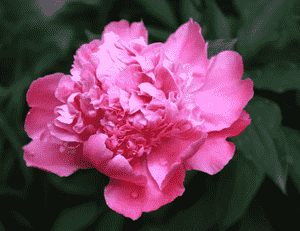
Peonies offer abundant, full blossoms that can impart grace and allure to any garden. Their diverse color paletteâranging from soft pastels to vivid shadesâenables seamless integration with various garden aesthetics. The large, ruffled petals create a striking visual impact, making peonies a preferred choice for gardeners aiming to enhance their outdoor spaces' beauty.
Peony's adaptability across diverse garden styles
Peonies are highly adaptable and can be integrated into numerous landscaping styles. Whether you possess a formal garden, a cottage-style landscape, or even a modern minimalist design, peonies can fit in beautifully. This versatility makes peonies a valuable asset to any garden plan, offering endless opportunities for creative expression and visual harmony.
Selecting the Ideal Spot for Peony
Factors influencing optimal Peony placement
Choosing the best location for peonies involves considering elements like soil composition, drainage, and exposure to environmental factors. Peonies prefer well-drained soil, so avoid areas prone to water accumulation. Additionally, positioning peonies where they have ample room will foster healthy growth and display.
Impact of sunlight and shade on Peony development
Peonies flourish in full sun, requiring approximately 6-8 hours of direct sunlight daily. While they can endure some shade, excessive shading may result in fewer blooms and weaker growth. Ensure your chosen garden spot for peonies receives adequate sunlight while being shielded from strong winds that could harm the delicate petals.
Integrating Peony into Your Garden Theme
Pairing Peony with other plants for a unified appearance
To achieve a cohesive garden theme, consider planting peonies with companions that complement their colors and growth habits. Plants like hostas, irises, and daylilies can create a visually appealing mix of textures and hues. By selecting plants that flower at different times, you can ensure continuous color and interest in your garden.
Utilizing Peony as a central feature in garden design
Peonies can serve as a magnificent focal point in your garden, drawing the eye and establishing a primary area of interest. Plant peonies in clusters or as a centerpiece in garden beds to maximize their impact. By strategically placing peonies, you can design pathways and seating areas that enhance the overall flow and aesthetic of your garden.
Seasonal Considerations for Peony Care
Understanding Peony's flowering cycle
Grasping the peony's blooming cycle is vital for preserving its beauty throughout the seasons. Peonies typically flower from late spring to early summer, providing a burst of color and fragrance. Align your garden's planting schedule to enjoy the vibrant blossoms of peonies during their peak flowering period.
Preparing Peony for various seasons
To ready peonies for different seasons, it's essential to follow seasonal care routines. In autumn, cut back the stems to the ground to help the plant conserve energy for the next blooming season. Mulching around the base can protect the roots from harsh winter temperatures. For spring and summer, ensure consistent watering and fertilize to support healthy growth and flowering.
Peony Maintenance in Landscaping
Routine tasks for ensuring healthy Peony growth
Maintaining peonies involves several regular tasks, such as watering, pruning, and fertilizing. Water peonies deeply once a week to encourage robust root development. Deadhead spent blooms to promote new flowers and prevent disease. Applying a balanced fertilizer in early spring can provide peonies with the nutrients they need to thrive throughout the growing season.
Addressing common Peony challenges in gardens
Peonies can encounter challenges like pest infestations and fungal diseases. To manage these, inspect your plants regularly and address any issues promptly. Aphids and botrytis are common problems for peonies. Use organic insecticides and fungicides or introduce natural predators to keep these issues under control. Ensuring good air circulation around your plants can also help prevent disease.
Innovative Peony Applications in Modern Landscaping
Examples of novel ways to integrate Peony into landscapes
Be imaginative with peonies by incorporating them into innovative landscape designs. Use peonies in raised beds or container gardens to add height and depth to your garden space. Integrate peonies into mixed borders alongside shrubs and small trees for a layered, dynamic look. Their versatility allows for unique placements and creative expressions in modern landscapes.
Blending traditional and contemporary design elements with Peony
Combine traditional charm with contemporary design by using peonies in a mix of old-world and modern garden styles. Plant peonies alongside sleek, modern structures or minimalist pathways to create a striking contrast. This fusion not only respects the classic beauty of peonies but also elevates your gardenâs overall design aesthetic to a new level.



