Enhancing Your Garden Design with the Little jewel Plant: A Landscaping Guide
1
Little jewel flourishes in soil that drains effectively, requiring infrequent watering.
2
Its ability to withstand dry conditions makes it ideal for water-wise landscaping.
3
The plant's distinctive look enhances diverse contemporary landscape designs.
Introducing Little Jewel for Landscape Use
Why is Little Jewel perfect for contemporary landscapes?
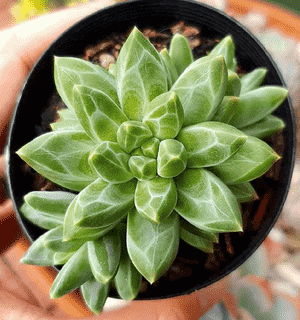
Little Jewel excels in modern garden designs due to its unique form and minimal upkeep. This succulent features plump, fleshy leaves that are both visually appealing and easy to care for, making it ideal for busy gardeners and beginners. Its rosette shape and compact size add a structured, geometric touch to any garden layout. Another key characteristic of Little Jewel is its resilience in various conditions, especially its drought tolerance, making it an excellent choice for xeriscaping or areas with water restrictions.
Fundamentals of integrating Little Jewel into outdoor areas
Integrating Little Jewel into your outdoor space starts with understanding its basic requirements. Select a spot with ample sunlight, as this will help the plant achieve its best coloration and shape. Well-draining soil is essential; consider mixing sand or perlite into your garden bed to enhance drainage. Little Jewel can be utilized in rock gardens, as border plants, or even in containers where they can be relocated to create focal points as needed. Their compact growth habit and attractive foliage make them versatile additions to any garden design.
Design Principles for Incorporating Little Jewel
Balancing visual appeal with practical considerations
Successfully integrating Little Jewel involves balancing its striking appearance with practical gardening aspects. Place Little Jewel where its distinct form can be appreciated, such as along pathways or in front of larger plants. Pairing it with other low-maintenance, drought-tolerant plants ensures your garden remains easy to maintain. Consider the colors and textures of nearby plants; Little Jewel pairs beautifully with grasses, sedums, and other succulents that complement its environment without overshadowing its unique look.
Choosing companion plants for Little Jewel to boost visual impact
Selecting the right plant companions for Little Jewel enhances its visual appeal in your garden. Opt for plants with contrasting or complementary textures and colors. For instance, pairing Little Jewel with fine-textured grasses can emphasize its bold structure. Similarly, positioning it near flowering perennials with varied bloom times ensures continuous interest throughout the seasons. Succulents like echeveria and sedum, which share similar care needs, also make excellent companions, creating a harmonious and unified look.
Optimal Placement of Little Jewel in Your Garden
Selecting the ideal spot for peak growth
Choosing the correct location for Little Jewel in your garden is crucial for its health and development. Aim for a site that receives at least six hours of direct sunlight daily. This sun exposure helps maintain the plant’s vibrant hues and promotes healthy, vigorous growth. If you reside in a region with extremely hot summers, providing some afternoon shade can prevent leaf sunburn. Furthermore, ensure the soil drains well and avoid areas where water tends to accumulate after rain.
Using Little Jewel in diverse landscape designs
Little Jewel is highly adaptable and can be creatively incorporated into various landscape styles. In a minimalist garden, it acts as an architectural focal point, with its geometric form providing clean lines and structure. In Mediterranean or desert-themed landscapes, Little Jewel complements other drought-tolerant plants and succulents, adding diversity in form and texture. It can also be used in contemporary gardens to soften the rigidity of man-made structures with its organic, rosette shape.
Little Jewel Landscape Maintenance Tips
Seasonal care for preserving Little Jewel's attractiveness
Seasonal care ensures that Little Jewel remains a vibrant and appealing component of your garden. During spring and summer, focus on consistent watering schedules, allowing the soil to dry out between waterings. In the fall, reduce irrigation to prepare the plant for its winter dormancy. Mulching around the base provides insulation during colder months, protecting roots from freezing temperatures. Additionally, removing dead or damaged leaves keeps Little Jewel looking its best and prevents pest infestations.
Common issues and effective remedies
Little Jewel is generally low-maintenance, but like all plants, it can encounter certain problems. Overwatering is a frequent issue, leading to root rot. The solution is straightforward: ensure planting in well-drained soil and water only when the soil is dry. Pests such as aphids and mealybugs can occasionally appear. In such cases, treat the plant with insecticidal soap or a mild neem oil solution. Proper spacing and air circulation help prevent fungal diseases, which can be managed with fungicides if they arise.
Innovative Applications of Little Jewel in Modern Design
Integrating Little Jewel into minimalist designs
Little Jewel can play a key role in minimalistic garden designs, where simplicity and elegance are paramount. Its geometric leaf arrangement and subtle color variations offer visual interest without overwhelming the senses. Plant Little Jewel in monochromatic pots or alongside muted paving stones to highlight its structure. Its modest size makes it ideal for small gardens, patios, or even indoor spaces where a clean, uncluttered aesthetic is desired.
Creative projects and inspirations featuring Little Jewel
For those seeking creative outlets, Little Jewel provides numerous opportunities. Consider using Little Jewel in vertical gardens to conserve space and create living walls; this can be both a functional and aesthetic enhancement to urban environments. Another idea is to combine Little Jewel with other succulents in terrariums or dish gardens for a striking indoor centerpiece. Explore the use of Little Jewel in mosaic plantings where different succulents are arranged to form patterns or images, adding an artistic flair to any garden.



