Enhancing Your Garden Design with the Money tree Plant: A Landscaping Guide
1
Pachira aquatica prospers in soil that drains efficiently, requiring moderate moisture levels.
2
Place your Money tree in a spot that offers ample, diffused light for optimal development.
3
Trim your Money tree periodically to preserve its form and vitality.
Appreciating the Aesthetic Qualities of the Money Tree
Its visual appeal and adaptability across various garden styles
The Money Tree offers a distinctive visual charm to any landscape with its rich green foliage and unique braided trunk. Whether your garden is modern, tropical, or classic, the Money Tree effortlessly fits in due to its adaptable nature. Its graceful form stands out, making it an excellent centerpiece or accent in your garden. It also thrives in both indoor and outdoor settings, providing more versatility for your landscape design.
Considering its size and form for optimal positioning
The Money Tree typically reaches a manageable height of 6-8 feet when grown indoors, though it can grow taller outdoors under ideal conditions. Its compact size makes it perfect for smaller gardens or as a potted plant on patios and balconies. When planning your garden, think about the Money Tree's mature dimensions to ensure it complements other elements. Its balanced shape and upright growth also allow for easy placement in confined spaces or corners without disrupting the overall harmony of your design.
Color and texture attributes that enhance garden beauty
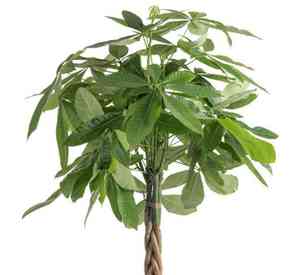
The Money Tree boasts lush, green, hand-shaped leaves that bring a vibrant touch to your garden. Its braided trunk provides an intriguing texture and visual contrast compared to other plants. These distinctive features make the Money Tree an outstanding option for creating focal points in your garden. Its deep green hue can complement various flowering plants or beautifully contrast with more subtle, silver-leaved plants to create an engaging visual dynamic in your landscape.
Optimal Placement for Money Tree to Maximize Impact
Prime locations for flourishing growth and visual appeal
For maximum visual impact, position the Money Tree where it can be easily seen and admired. Near entrances, along pathways, or beside patios are excellent spots. Ensure the area has sufficient room for the plant's roots to expand without restriction. If kept indoors, place the Money Tree in rooms with ample window light, but away from direct sun to avoid scorching leaves. Outdoors, it can serve as a striking centerpiece in flower beds or as part of a mixed border.
Considerations for sunlight exposure and shading
The Money Tree prefers bright, indirect light. It can survive in low light, but will flourish best with abundant, filtered sunlight. When planting outdoors, find a spot where the Money Tree can enjoy morning sun and afternoon shade, especially in hotter regions. This balance helps the plant maintain robust growth without the risk of leaf damage from excessive direct sun. Regularly check the plant to ensure it isn't getting burned or overly shaded.
Placement relative to water features and other vegetation
Consider situating the Money Tree near water features like ponds or fountains, where the humidity can aid its growth. The reflective surface of water can also enhance its aesthetic appeal. However, ensure it's not positioned too close to water sources to prevent waterlogging. The Money Tree pairs well with other moisture-loving plants and can be part of a vibrant, tropical-themed garden. Make sure it has enough space around its base to avoid competition for nutrients and water with surrounding plants.
Companion Planting Concepts with Money Tree
Ideal companion plants for the Money Tree in a landscape design
Companion plants that thrive under similar light and watering conditions as the Money Tree will make the best partners. Consider combining the Money Tree with ferns, calatheas, and peace lilies for a lush, tropical look. These plants complement the Money Tree's green foliage with their own unique textures and leaf patterns. Avoid plants that demand significantly different care routines, as this could complicate maintenance and potentially harm one or both plants.
Advantages of companion planting
Companion planting improves the health and appearance of the plants in your garden. By placing the Money Tree alongside compatible species, you can create a micro-ecosystem that supports mutual development. These plant combinations can enhance soil quality, provide natural pest control, and retain moisture. Companion planting also allows you to create visually pleasing groupings, adding depth and interest to your landscape design.
Design advice for establishing a harmonious arrangement
To create a balanced and visually appealing garden, apply principles of color, texture, and scale. Use the Money Tree's green, textured leaves as a backdrop for more colorful flowering plants. Consider the height and spread of each plant to ensure a harmonious arrangement that doesn't overcrowd any single species. Position taller companion plants behind or to the sides of the Money Tree, and lower-growing plants in front, creating a tiered effect that adds depth.
Seasonal Care and Maintenance Guidelines for Money Tree in Gardens
Seasonal pruning and routine care
Regular pruning helps the Money Tree maintain its form and promotes vigorous growth. Prune in early spring before new growth emerges, removing any dead or damaged branches. Thin out dense areas to allow light and air to reach the inner leaves. During the growing season, occasional light trimming can help keep the plant's shape tidy. Avoid heavy pruning in late autumn or winter as this can stress the plant as it enters dormancy.
Preparing the Money Tree for varying weather conditions
In colder climates, the Money Tree should be moved indoors or to a sheltered location when temperatures drop. For areas with hot, dry summers, ensure the Money Tree receives sufficient water and some afternoon shade to prevent overheating and drought stress. Apply mulch around the plant's base to maintain soil moisture and regulate temperature. In regions prone to heavy rainfall, ensure good drainage to prevent root rot.
Long-term health and upkeep strategies
For the Money Tree's long-term health, consistent care routines are essential. This includes regular watering, feeding with a balanced fertilizer during the growing season, and monitoring for pests. Repot indoor Money Trees every two to three years to allow root expansion and refresh the soil. Keeping a close watch on the plant's overall health and promptly addressing any signs of stress or disease will ensure that the Money Tree flourishes in your landscape for many years.



