Enhancing Your Garden Design with the Money tree Plant: A Landscaping Guide
1
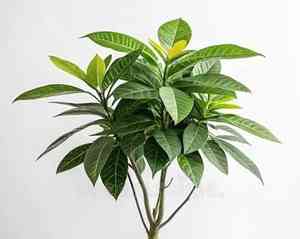
Pachira aquatica flourishes in both indoor and outdoor settings, contingent on proper maintenance.
2
This adaptable flora is recognized for its distinctive interwoven stem, bringing an exotic flair to any environment.
3
Pachira aquatica favors ample, diffused illumination yet can adjust to less intense light levels.
Grasping the Fundamentals of Money Tree in Outdoor Design
The aesthetic appeal of Money tree: How does it enhance garden beauty?
The Money tree, with its distinctively braided trunk and vibrant, green foliage, is a captivating sight. This decorative plant introduces a touch of sophistication to any garden area. Its unique appearance makes it a central feature, attracting attention and fostering an exotic charm. Whether arranged with other plants or standing alone, the Money tree provides a visual contrast that elevates the garden's overall look. Its lively leaves can invigorate dull spots and create a refreshing atmosphere.
Growth patterns of Money tree: What landscape professionals should know
Money tree is relatively simple to cultivate and care for, making it a favored option for landscapers. It typically reaches a manageable height, making it suitable for both indoor and outdoor environments. Under optimal conditions, Money tree can grow up to 60 feet in its native habitat but generally remains smaller when grown domestically. Its growth rate is moderate, so consistent observation and trimming might be necessary to maintain its desired form. Understanding these growth habits assists landscapers in appropriate planning when incorporating Money tree into their designs.
Ideal environments for Money tree: Where does it flourish?
Money tree prefers warm, humid conditions and thrives best in temperatures ranging from 65 to 75 degrees Fahrenheit. It enjoys bright, indirect illumination and can adapt to lower light levels, though this might slow its development. Well-draining soil is essential to prevent root decay, and consistent watering ensures its vitality without waterlogging. Money tree prospers in both indoor containers and outdoor garden spaces, provided it is shielded from extreme weather conditions. For outdoor planting, a partially shaded location is optimal.
Integrating Money Tree Into Your Garden Layout
Designing with Money tree in mind: Initiating your garden blueprint
When planning to incorporate Money tree into your landscape, begin by visualizing where it will have the greatest impact. Consider its unique visual charm and position it in areas where it will stand out yet harmonize naturally with surrounding elements. Sketch your garden layout before planting, ensuring that Money tree has ample room to grow and receive the necessary light. Think about pathways, focal points, and complementary plants to forge a cohesive design. Money tree's adaptability allows it to be a primary feature or an accent piece in your garden arrangement.
Combining Money tree with other plants: Perfect companions
Pairing Money tree with other plants can create a lively and dynamic garden. Consider plants that flourish in similar conditions, such as ferns, orchids, and bromeliads, which appreciate comparable humidity and light levels. Additionally, flowering plants with contrasting hues can enhance Money tree's rich green foliage, forming a visually appealing composition. Avoid overcrowding to ensure each plant has sufficient space and resources to thrive. This thoughtful combination will result in a balanced and aesthetically pleasing garden.
Spacing and positioning Money tree for optimal growth and visual impact
Correct spacing and placement are vital for Money tree's health and aesthetic appeal. Ensure there is ample room for its roots to spread and for the plant to achieve its natural shape. When planting multiple Money trees, space them at least 3-4 feet apart to prevent congestion and competition for resources. Position Money tree in an area that receives bright, indirect sunlight, as direct sun can scorch its leaves. Elevating Money tree in pots or raised beds can also boost visibility and create layers in your garden design.
Seasonal Considerations for Money Tree in Your Landscape
Managing Money tree during colder periods: Safeguarding your investment
Money tree is susceptible to low temperatures and requires protection during winter. If you reside in a region with frost, consider moving potted Money trees indoors or utilizing frost covers for outdoor plants. Ensure they are kept in a warm room with adequate light. Reduce irrigation during the colder months to prevent root rot, as the plant's growth slows and demands less moisture. Shielding Money trees from harsh winter winds is also crucial to avert stress and damage.
Maximizing Money tree's visual appeal across different seasons
Throughout the year, Money tree can maintain its aesthetic charm with proper care. In spring and summer, consistent watering and occasional fertilization will support luxuriant growth. During autumn, ensure the plant receives sufficient light as daylight diminishes. In winter, focus on protection from cold and minimizing water to prevent overhydration. By adjusting your care routine seasonally, Money tree will remain a vibrant and attractive element in your landscape year-round.
Adjusting your landscaping practices for Money tree's annual cycles
Understanding and adapting to the annual growth cycles of Money tree is crucial for its well-being and integration into your landscape. During its active growth phase, typically spring and summer, more frequent watering and occasional feeding with a balanced fertilizer will encourage robust development. During dormancy in the colder months, reduce watering and shield the plant from extreme weather. Pruning can be performed towards the end of winter to shape the plant and promote vigorous growth in the spring. These practices ensure Money tree flourishes throughout the year and retains its beauty in your garden.
Maintenance Advice for Money Tree in Landscaping
Regular upkeep practices for Money tree: Ensuring longevity and beauty
Consistent maintenance of Money tree involves regular watering, fertilizing during the growing season, and monitoring its overall health. Water the plant thoroughly when the topsoil feels dry, but ensure proper drainage to prevent waterlogging. Apply a balanced, all-purpose fertilizer once a month during spring and summer. Wiping the leaves with a damp cloth can help remove dust and pests. Regular inspection helps address any issues early, ensuring Money tree remains a healthy and beautiful component of your landscape.
Common problems and how to resolve them effectively
Money tree can sometimes encounter issues such as leaf drop, yellowing leaves, or stunted growth. These are often indicators of overwatering, underwatering, or insufficient light. Adjusting your care routine accordingly can rectify these problems. Pests like spider mites and mealybugs can also affect Money tree. Regularly inspect the plant and use insecticidal soap or neem oil to treat infestations. Maintaining a clean environment and proper watering habits can prevent most common issues.
When and how to prune Money tree for landscape aesthetics
Pruning is essential for preserving the shape and health of Money tree. The optimal time to prune is late winter or early spring before the new growth cycle commences. Use sharp, clean pruning shears to remove any dead or damaged branches, and to shape the plant according to your design. Avoid heavy pruning during the growing season, as it can stress the plant. Regular, light pruning encourages fuller, bushier growth and keeps Money tree looking its best throughout the year.



