Enhancing Your Garden Design with the Eastern prickly pear Plant: A Landscaping Guide
1
The Eastern prickly pear is a robust plant, suitable for diverse environmental conditions.
2
Incorporating Eastern prickly pear into your landscape can boost local ecological variety and aid wildlife.
3
Eastern prickly pear needs little water, making it a great option for eco-friendly gardening.
Introducing Eastern Prickly Pear in Landscape Design
Appreciating the distinctive beauty of Eastern prickly pear
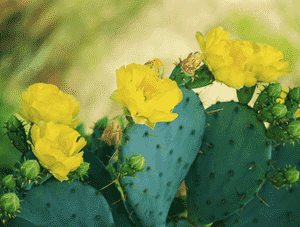
When adding Eastern prickly pear to your outdoor space, its striking appearance is immediately noticeable. This plant showcases vibrant green pads and beautiful yellow blooms, making it an excellent focal point in any garden. Its unique texture and shape bring visual interest and a clear Southwestern feel to your yard. Being a low-growing plant, it's ideal for ground cover or rock gardens, offering a mix of color and texture that enhances the garden's overall look.
Eastern prickly pear's role in eco-friendly landscaping
Including Eastern prickly pear in your garden not only adds beauty but also promotes environmental sustainability. This plant is drought-resistant and needs little water once established, making it perfect for dry areas. This trait helps save water, reduces upkeep, and lowers water bills for your garden. Furthermore, choosing native plants like Eastern prickly pear lessens the need for chemical fertilizers and pesticides, fostering a healthier ecosystem.
Advantages of incorporating Eastern prickly pear into your garden
There are many advantages to planting Eastern prickly pear in your landscape. Beyond its visual appeal and low water needs, it's also known for resisting pests and diseases, meaning less effort and cost to maintain a healthy garden. Moreover, the plant thrives in poor soil, allowing you to plant it in various spots where other plants might struggle. Lastly, Eastern prickly pear can positively affect local wildlife, offering habitats and food for different species.
Creative Ways to Use Eastern Prickly Pear in Gardens
Establishing focal points with Eastern prickly pear
One effective method to utilize Eastern prickly pear in your garden is by creating visual anchors. Place it in prominent areas where its distinct look can stand out and capture attention. You can position Eastern prickly pear around patios, along pathways, or as central elements in rock gardens. Combining it with rocks or gravel can amplify its desert aesthetic, making it the highlight of your landscape design. Additionally, clusters of Eastern prickly pear can form appealing groupings that break up uniform green lawns.
Companion plants that complement Eastern prickly pear
For companion planting, Eastern prickly pear pairs well with other drought-tolerant species such as lavender, sage, and ornamental grasses. These plants not only share similar water requirements but also complement the texture and color scheme of Eastern prickly pear. Using these companions can create a harmonious and unified look, improving the overall design of your garden. Incorporating diverse plant heights, textures, and colors will add depth and appeal, making your landscape more vibrant and visually engaging.
Seasonal considerations for landscaping with Eastern prickly pear
Eastern prickly pear is a robust plant that can endure various seasonal shifts. However, for optimal growth, it's crucial to consider the seasons when planning your landscaping. Planting Eastern prickly pear in spring allows it to establish roots before summer's heat, while mulching around the base helps retain moisture and regulate soil temperature. In winter, ensure the plant is in a well-drained spot to prevent waterlogging. By addressing its seasonal needs, you can ensure a healthy and flourishing garden year-round.
Care Guidelines for Eastern Prickly Pear in Your Landscape
Fundamental upkeep for lasting Eastern prickly pear health
Eastern prickly pear is relatively low-maintenance, but a few key practices ensure its long-term health. First, plant it in well-draining soil to prevent root rot and other moisture-related issues. Water sparingly, especially once established, as excessive moisture can be harmful. Pruning is generally unnecessary, but removing damaged or dead pads helps maintain the plant's appearance and vitality. This minimal care makes Eastern prickly pear a convenient choice for gardeners of all experience levels.
Managing the growth and spread of Eastern prickly pear
While Eastern prickly pear isn't overly aggressive, it can spread if not managed. To control its growth, consider planting it in defined areas where its expansion can be contained. You can also regularly inspect and remove any pads that begin to grow outside desired boundaries. If you wish to propagate Eastern prickly pear, simply plant the removed pads in a new location. This ease of growth management makes Eastern prickly pear a versatile addition to your landscape.
Seasonal care recommendations for Eastern prickly pear
Seasonal care for Eastern prickly pear involves specific practices to ensure its health throughout the year. In spring, check for frost damage and remove affected pads to encourage new growth. Summer primarily involves monitoring soil moisture and providing extra water during extended dry periods. In fall, clear debris around the base to deter overwintering pests. Winter care focuses on ensuring proper drainage to prevent waterlogged roots. These seasonal tips will help your Eastern prickly pear thrive regardless of the time of year.
Environmental Impact of Eastern Prickly Pear
Eastern prickly pear's contribution to local biodiversity
Integrating Eastern prickly pear into your garden can significantly boost local biodiversity. It provides habitat and food for various insects, birds, and small mammals. Its flowers attract pollinators like bees and butterflies, which are vital for healthy ecosystems. By planting Eastern prickly pear, you contribute to a vibrant and diverse garden environment that supports local wildlife.
Water conservation advantages of Eastern prickly pear
A key benefit of Eastern prickly pear is its exceptional water efficiency. As a drought-tolerant plant, it requires minimal watering, making it an excellent choice for water-saving landscaping. Its ability to thrive with little water not only reduces your garden's water footprint but also makes it ideal for regions facing water shortages or drought. Choosing drought-resistant plants like Eastern prickly pear can significantly contribute to sustainable gardening practices.
Supporting local wildlife with Eastern prickly pear
Eastern prickly pear plays a crucial role in sustaining local wildlife. The plant offers nesting sites and shelter for birds and small animals, while its fruit and flowers serve as a food source. This, in turn, attracts a variety of fauna, from insects like bees and butterflies to larger animals such as rabbits. By incorporating Eastern prickly pear into your landscape, you create an environment that fosters and sustains local wildlife, adding another layer of ecological benefit to your garden.



