Enhancing Your Garden Design with the Devil's Club Plant: A Landscaping Guide
1
Devil's Club flourishes optimally in damp, well-draining earth and dappled light.
2
Refrain from positioning Devil's Club in excessively bright or arid locations to replicate its native environment.
3
Consistent trimming is crucial for preserving the vitality and form of Devil's Club.
Appreciating the Natural Beauty of Devil's Club
The distinct features of Devil's Club foliage
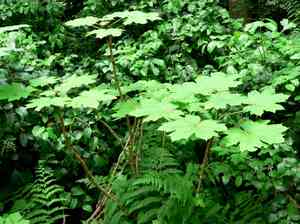
Devil's Club showcases large, palmate leaves that provide a bold texture to any garden. Its deep green foliage and spiny stems create an intriguing, almost ancient appearance. This plant stands out with its unique look, making it an excellent focal point in a naturalistic garden setting. Its leaves are not only visually striking but also offer dense coverage, which can serve as a natural privacy screen or windbreak.
Height and spread: How Devil's Club influences garden layout
Devil's Club reaches an impressive height of up to 10 feet, with a spread that can extend to 6 feet. This considerable size means it should be considered a primary structural component in your landscape design. When planning your garden, allocate ample room for Devil's Club to grow and flourish without being confined. Its towering stature and broad spread can be utilized to create layers and depth in your garden, enhancing the overall visual impact.
Seasonal transformations and their aesthetic impact on your garden
Devil's Club undergoes noticeable changes throughout the seasons. In spring, new leaves emerge with a fresh, vibrant green, which deepens as the season progresses. Summer sees the plant at its peak, with lush foliage offering maximum aesthetic and practical benefits. By autumn, Devil's Club leaves may turn golden before dropping, adding a touch of warmth and color to your landscape. These seasonal shifts ensure that Devil's Club keeps your garden dynamic and engaging year-round.
Selecting the Optimal Spot for Devil's Club in Your Garden
Evaluating soil and light requirements
Devil's Club prefers well-drained, moist soils rich in organic matter. It thrives in partial shade, mirroring its natural habitat of shaded, wooded areas. Before planting, test your soil to confirm it can retain moisture without becoming waterlogged. Additionally, choose a location that receives filtered sunlight or morning sun and afternoon shade to shield Devil's Club from intense midday rays. Excessive direct sunlight can scorch its leaves and impede its growth.
Avoiding common placement mistakes
A frequent error when planting Devil's Club is placing it in areas with poor drainage or in spots that receive full, direct sun all day. Both conditions can stress the plant and make it susceptible to diseases. Another mistake is not providing adequate room for its development. Remember the mature dimensions of Devil's Club; squeezing it into a small space will only lead to future maintenance issues. Ensure it is positioned where it wonât overshadow smaller, sun-loving plants.
Maximizing visual appeal through thoughtful placement
Position Devil's Club in areas where its striking foliage can be admired up close. Consider planting it along pathways or near patios where it can create a lush, green backdrop. Devil's Club also works well in shaded corners to transform them into verdant sanctuaries. Its size makes it suitable for use as a screening plant, too. Strategic placement not only enhances its visual appeal but also ensures it contributes positively to the garden's overall ecological balance.
Incorporating Devil's Club Into Themed Garden Zones
Designing a 'wild' or 'natural' garden theme with Devil's Club
Integrate Devil's Club into a wild or natural garden theme to mimic an untouched forest environment. Its rugged, untamed appearance fits seamlessly into such settings. Surround it with native plants, fallen logs, and organic mulch to enhance the natural theme. This arrangement not only looks stunning but also supports local wildlife by creating a mini-ecosystem. Leave some leaf litter and natural debris around Devil's Club to simulate the forest floor and add to the woodland feel.
Using Devil's Club as a backdrop for vibrant flowering plants
Devil's Club's rich green foliage offers a perfect neutral background for showcasing bright, colorful flowers. Use it to frame a flower bed or border, allowing the vivid blooms to stand out against its dense green leaves. Plants such as lilies, foxgloves, or even flowering vines can be paired with Devil's Club to create a striking contrast. The juxtaposition of the large green leaves with delicate, colorful flowers enhances the visual interest of your garden.
Pairing Devil's Club with other indigenous plants for a harmonious look
For a cohesive and ecologically supportive garden, pair Devil's Club with other native plants. This not only ensures that all plants thrive in similar conditions but also promotes biodiversity and sustainability. Consider companions such as ferns, salal, or wild ginger, which share Devil's Club's preference for shade and moist soil. Creating a native plant community around Devil's Club helps maintain a natural look and supports local fauna, contributing to a balanced garden ecosystem.
Care Guidelines for Devil's Club in Landscaped Areas
Pruning techniques to maintain health and appearance
Regular pruning of Devil's Club is essential for maintaining both its health and its attractive form. Prune dead or damaged branches in early spring before new growth emerges. This not only encourages healthy new growth but also prevents disease spread. Additionally, thinning out some of the denser sections can improve air circulation and light penetration, which are crucial for preventing fungal infections. Always use clean, sharp pruning tools to make precise cuts and avoid harming the plant.
Seasonal care to promote longevity
Caring for Devil's Club throughout the seasons ensures it remains a garden focal point for years. In spring, apply a layer of organic mulch around the base to retain moisture and regulate soil temperature. During hot, dry periods, additional watering might be necessary. In autumn, clear fallen leaves to prevent fungal disease. Applying a balanced, slow-release fertilizer in early spring can also boost growth and vigor. Winter protection, like mulching roots, helps guard Devil's Club against extreme cold.
Addressing common pests and diseases
Although Devil's Club is relatively robust, it can occasionally fall victim to pests and diseases. Aphids, spider mites, and fungal issues are the most frequent threats. Regularly inspect the plant for any signs of infestation, such as discolored leaves or webbing. If pests are detected, treat with appropriate organic insecticides or insecticidal soaps. For fungal diseases, ensure good air circulation and avoid overhead watering. Removing affected leaves promptly can also prevent the spread of infections.



