Enhancing Your Garden Design with the Olive Plant: A Landscaping Guide
1
The Olive tree thrives in arid conditions, making it an ideal choice for dry regions.
2
Correct planting and ongoing care greatly improve the Olive's lifespan and visual appeal.
3
Olive trees support regional biodiversity, enriching the natural environment.
Understanding the Role of Olive in Landscaping
What Makes Olive a Popular Choice for Garden Landscapes?
Olive has gained immense popularity in garden designs due to its robust nature and striking appearance. Its ability to withstand harsh climatic conditions makes it an ideal selection for regions prone to drought and high temperatures. Beyond its resilience, Olive offers an elegant, timeless look that can complement various landscape styles, from contemporary minimalist designs to rustic rural settings.
The Aesthetic Benefits of Incorporating Olive in Outdoor Spaces
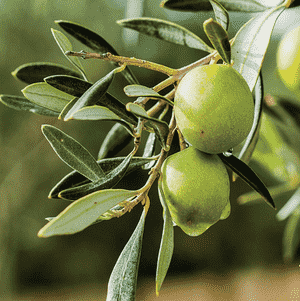
A primary appeal of integrating Olive into your garden is its visual charm. The plant features silvery-green foliage that offers a beautiful contrast to other greenery. Its gnarled, textured trunk adds an element of age and grace, making Olive a perfect specimen tree or accent in a garden. Furthermore, its height and spread can create natural privacy screens or shade, enhancing the utility of your outdoor area.
How Does Olive Impact the Local Ecosystem?
Olive plays a significant role in the ecosystem. It supports local wildlife by providing habitat and food sources. Birds, insects, and other small creatures benefit from the shelter and sustenance offered by Olive. The plantâs extensive root system also aids soil conservation, reducing erosion and promoting soil health. By incorporating Olive into your landscape, youâre not just beautifying your space but also making a positive environmental contribution.
Planning and Planting Olive in Your Garden
Choosing the Ideal Location for Olive in Your Landscape
Selecting the right location for Olive is vital for its growth and visual appeal. Seek a spot that receives ample sunlight, as Olive thrives in full sun. Ensure the area has good air circulation to prevent fungal diseases. Additionally, consider the plant's mature size, both height, and width, to prevent overcrowding and ensure it doesnât interfere with other plants or structures in your garden.
Soil and Sunlight Requirements for Healthy Growth of Olive
Olive prefers well-drained soil with a neutral to slightly alkaline pH. The plant can tolerate poor soil, but well-composted, fertile soil will yield the best results. Regarding sunlight, Olive needs at least six hours of direct sun daily. Insufficient sunlight can lead to poor growth and reduced plant health. Ensuring these conditions will help Olive to flourish and contribute to the landscape's beauty and health.
Step-by-step Guide to Planting Olive
Begin by digging a hole twice the width of the root ball and of equal depth. Remove the plant from its container and place it in the hole, keeping the root ball slightly above ground level. Fill in around the roots with soil, ensuring no air pockets. Water thoroughly to settle the soil. Add a layer of mulch around the base to retain moisture and suppress weeds. Water regularly until the plant is well established.
Maintaining Olive After Planting
Regular Maintenance Tips for Olive
Consistent maintenance is essential for the healthy growth of Olive. Ensure the plant is watered deeply but infrequently to encourage deep rooting. Mulching can help retain soil moisture and keep weeds at bay. Additionally, applying a balanced fertilizer in the spring can boost growth. Be vigilant about pest and disease management by regularly inspecting the plant and applying organic controls when necessary.
Seasonal Care Techniques to Enhance Stability and Growth
Seasonal care is crucial for the optimal growth of Olive. During the spring, focus on pruning to shape the plant and remove dead or diseased branches. In the summer, ensure adequate watering, especially during dry spells. Fall is the time to prepare Olive for winter by reducing watering and mulching to protect the roots from cold temperatures. These seasonal techniques help Olive remain robust and healthy year-round.
When is the Best Time to Prune Olive?
The best time to prune Olive is in late winter to early spring, before new growth begins. Pruning during this period helps to shape the plant and remove any damaged, dead, or diseased branches, which can improve air circulation and sunlight penetration. Avoid heavy pruning during the fall, as this can stimulate new growth that may not have time to harden off before winter.
Creative Ideas and Inspirations for Using Olive in Your Landscape
Design Ideas: Combining Olive with Other Plants
Olive can be beautifully combined with a variety of plants to create enchanting garden designs. Consider pairing it with lavender or rosemary for a Mediterranean-themed garden. For a more lush and diverse look, combine Olive with underplantings like jasmine, marigolds, or ornamental grasses. The combination of textures and colors can create a visually stunning and ecologically balanced garden.
Utilizing Olive as a Focal Point in Garden Layouts
Olive makes a compelling focal point due to its majestic form and longevity. Position it strategically in your garden where it can be appreciated, such as at the center of a circular driveway, along a pathway, or at the end of a vista. Surround it with complementary plantings or garden features to enhance its presence and create a harmonious landscape.
Innovative Ways to Incorporate Olive in Small Yards or Balconies
Even small yards or balconies can benefit from the inclusion of Olive. Dwarf varieties or potted Olive plants are perfect for compact spaces. Use them to frame an entryway, add vertical interest to a terrace, or provide shade and privacy in confined areas. When potted, ensure thereâs adequate drainage and move the plants indoors during extremely harsh weather conditions.
Benefits of Olive Beyond Aesthetics
Environmental Benefits of Including Olive in Your Environment
Olive offers numerous environmental benefits. Its ability to thrive in dry conditions makes it a valuable plant for water conservation landscapes. Additionally, Olive can improve soil structure and prevent erosion through its extensive root system. By capturing and reducing dust and air pollutants, Olive contributes positively to the surrounding environment.
How Olive Can Improve Air Quality Around Your Home
Olive can significantly enhance the air quality around your home. The plantâs leaves and bark capture dust, pollen, and other particulates, reducing their concentration in the air. Additionally, Olive acts as a natural air filter, absorbing pollutants and releasing oxygen. This can lead to a noticeable improvement in the freshness and cleanliness of the air in and around your home.
Contributions of Olive to Biodiversity in Urban Areas
In urban settings, Olive can play a crucial role in promoting biodiversity. It provides habitat and food for various birds, insects, and small mammals. The presence of Olive can attract and sustain local wildlife populations, creating a more vibrant and ecologically balanced urban environment. Incorporating Olive in city landscapes contributes to the overall health and diversity of the urban ecosystem.



