Enhancing Your Garden Design with the Pinkladies Plant: A Landscaping Guide
1
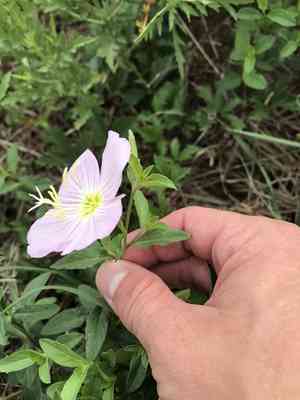
Pinkladies can significantly enhance any garden's aesthetic with their vivid pink flowers.
2
Pinkladies flourishes in ample sunlight and soil that drains effectively, rendering it adaptable for various garden environments.
3
When incorporating Pinkladies, account for its tendency to spread to guarantee it harmonizes with your garden's layout without dominating other flora.
Introducing Pinkladies to Your Landscape
Overview of Pinkladies as a landscaping option
Pinkladies, also known as Pinkladies, makes a superb addition to any garden setting. Valued for its resilience and striking pink blossoms, Pinkladies can function as ground cover or an accent plant. It suits both new and seasoned gardeners due to its minimal upkeep and durability. As a perennial in many areas, Pinkladies flowers profusely from spring through summer, guaranteeing a prolonged and vivid display.
Aesthetic appeal of Pinkladies in outdoor environments
Pinkladies offers a delicate yet impactful visual charm with its soft pink blooms and rich green foliage. These delightful flowers can foster a serene, romantic atmosphere in your garden, making them perfect for borders, pathways, and flower beds. Their vibrant hue provides an excellent contrast to greener plants, adding depth and energy to your landscape. Furthermore, the flowers attract pollinators like bees and butterflies, enhancing your garden's ecological value.
Selecting the Optimal Site for Pinkladies
Evaluating sun exposure and soil composition
Pinkladies thrives best in full sunlight, though it can endure partial shade. However, for peak blooming, ample sun exposure is ideal. The soil must drain well, as Pinkladies does not fare well in waterlogged conditions. Sandy loam or slightly acidic soil is preferred, but Pinkladies shows remarkable adaptability to various soil types. A pH range of 6.0 to 7.5 offers the most favorable growing conditions.
Suggestions for placement in garden designs
When integrating Pinkladies into your garden, consider positioning them where they can either stand out or blend seamlessly with other plants. Optimal spots include along edges, pathways, or as fillers in larger flower beds. Due to their spreading habit, ensure Pinkladies has ample room to expand. Think about companion plants such as lavender or grasses that can complement the pink flowers. Also, arranging Pinkladies in clusters can amplify their visual impact and ensure a fuller appearance.
Harmonizing Pinkladies with Other Flora
Companion plants that flourish alongside Pinkladies
Companions for Pinkladies should ideally share similar growing requirements. Plants like lavender, daylilies, and Russian sage can be excellent partners. These plants not only thrive in comparable soil and sunlight conditions but also provide contrasting colors and textures that enhance the overall aesthetic appeal. Additionally, these companions can help to manage the vigorous spread of Pinkladies, maintaining a balanced garden environment.
Design approaches for a unified appearance
For a cohesive garden design, consider the height, texture, and color of plants surrounding Pinkladies. Use taller plants as a backdrop to Pinkladies to create layers in your garden. Mixing Pinkladies with foliage plants like hostas or ferns can offer a lovely textural contrast. Utilize Pinkladies so that their pink blooms become a unifying element throughout your garden beds, creating a consistent and elegant look.
Seasonal Considerations for Pinkladies
Optimal seasons for planting Pinkladies
The best time to plant Pinkladies is during spring or fall when temperatures are moderate and rainfall is more consistent. Spring plantings will allow the plants to establish themselves before summer heat, while fall plantings give Pinkladies a chance to develop strong roots before winter. In regions with mild winters, Pinkladies can even be planted in winter, provided the soil is not frozen.
Caring for Pinkladies throughout the changing seasons
Pinkladies is relatively low maintenance, but seasonal care can enhance its performance. During summer, ensure the soil remains moderately moist â not overly wet. In autumn, trimming back dead stems and leaves can help prepare Pinkladies for dormancy. Applying a light mulch in winter can protect the roots in colder climates. Come spring, a balanced fertilizer can help stimulate growth and blooming.
Envisioning the Future: Pinkladies' Growth and Expansion
Understanding the growth pattern of Pinkladies
Pinkladies is known for its robust growth and spreading tendency. Typically, it reaches a height of about a foot but can spread quickly, forming dense mats of foliage and flowers. This can be ideal for ground cover but requires oversight to ensure it doesn't outcompete other plants. With proper care and spacing, Pinkladies can be a focal point without becoming invasive.
Planning for space and impact over time
When designing your garden with Pinkladies, strategic spacing is crucial. Given its spreading nature, allocate sufficient room to prevent overcrowding. Regularly thin out the plants if necessary to maintain a balanced and aesthetically pleasing landscape. Consider the long-term garden layout, envisioning how Pinkladies will fill in space over the years, and plan pathways or barriers if needed to control its growth.



