Enhancing Your Garden Design with the Narrowleaf evening primrose Plant: A Landscaping Guide
1
The narrowleaf evening primrose provides a lively spectrum of colors, enriching any garden space.
2
Its varied forms allow the narrowleaf evening primrose to fit diverse landscape designs.
3
The narrowleaf evening primrose aids local ecosystems and requires minimal upkeep.
Exploring the Visual Charm of Narrowleaf evening primrose
Unique Color Scheme: How Narrowleaf evening primrose's Flowers Enhance Visual Appeal
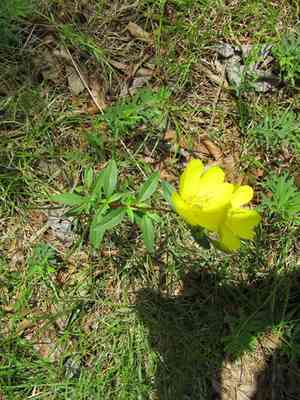
A standout characteristic of Narrowleaf evening primrose is its distinct color range, which introduces vivid shades to any garden space. The blossoms of Narrowleaf evening primrose appear in various tones, frequently displaying a bright yellow that can either serve as a central focus or blend harmoniously with other hues. This adaptability enables the creation of a lively and visually pleasing outdoor area. Whether designing a flower bed or a border, the colorful blooms of Narrowleaf evening primrose will undoubtedly boost visual interest and allure.
Plant Structure and Texture: Merging Form with Utility
Narrowleaf evening primrose is recognized not only for its attractive flowers but also for its sturdy build and distinct texture. The plant's tall, slender stems and narrow leaves offer a striking contrast to plants with broader foliage, adding depth and dimension to your garden. This structural diversity can aid in crafting a more intricate and layered landscape design. Furthermore, the texture of Narrowleaf evening primrose can complement other plants, integrating form with function to elevate the garden's overall aesthetic.
Incorporating Narrowleaf evening primrose into Diverse Landscaping Styles
Classic Designs: Pairing Narrowleaf evening primrose with Complementary Flora
In traditional garden layouts, Narrowleaf evening primrose can be beautifully matched with other classic plants to achieve a cohesive and enduring look. For instance, combining Narrowleaf evening primrose with roses or other perennial flowers can result in a picturesque and balanced garden bed. The key is to select plants that share similar care needs and flowering periods. This ensures that Narrowleaf evening primrose not only flourishes but also enhances the beauty of its companions, creating a unified and captivating garden space.
Modern Layouts: Utilizing Narrowleaf evening primrose to Make Bold Statements
For those leaning towards contemporary landscape designs, Narrowleaf evening primrose can be employed to create striking and fashionable statements. By planting Narrowleaf evening primrose in large groupings or clusters, you can form prominent patches of color that stand out against minimalist backdrops. This approach is ideal for modern gardens that prioritize clean lines and strong visual elements. Additionally, Narrowleaf evening primrose can be integrated into geometric garden arrangements or used to form naturalistic drifts, contributing to both modern and eclectic landscape designs.
Seasonal Considerations for Narrowleaf evening primrose in Your Garden
Spring and Summer Blooms: Timing Your Garden's Vibrant Display
The flowering period of Narrowleaf evening primrose typically occurs during the spring and summer months, making it an excellent choice for introducing color to your garden during these seasons. To maximize the impact of Narrowleaf evening primrose's blooms, consider planting them in areas where their vibrant flowers will be most visible. Planning your garden to include a mix of early and late-blooming plants will ensure a continuous and dynamic display of color throughout the growing season. Narrowleaf evening primrose's capacity to bloom profusely in spring and summer makes it an essential element for a lively and captivating garden.
Autumn and Winter Presence: Sustaining Interest Beyond Flowering
While Narrowleaf evening primrose is primarily recognized for its spring and summer blooms, it also contributes to the garden's appeal in the fall and winter. Once the flowering period concludes, the plant's foliage and seed pods can continue to offer visual interest. The seed pods, in particular, can add a unique texture and form, especially when covered in frost. By leaving Narrowleaf evening primrose in place during the off-season, you ensure that your garden maintains some structural integrity and visual charm, even when many other plants have receded for the winter.
Practical Advantages of Including Narrowleaf evening primrose in Landscaping
Environmental Benefits: Supporting Local Ecosystems with Narrowleaf evening primrose
A significant advantage of incorporating Narrowleaf evening primrose into your landscape is its capacity to support local ecology. Narrowleaf evening primrose attracts various pollinators, such as bees and butterflies, which are crucial for a healthy garden ecosystem. Beyond pollinators, it also provides habitat and food for other beneficial insects. By planting Narrowleaf evening primrose, you contribute to biodiversity and foster a more resilient and balanced environment. This ecological support can also lead to a more robust and thriving garden overall.
Low Maintenance Characteristics: Why Narrowleaf evening primrose is a Gardener's Favorite
Narrowleaf evening primrose is valued for its minimal maintenance requirements, making it a preferred choice among gardeners of all experience levels. This resilient plant is drought-tolerant and can flourish in various soil types, provided they are well-drained. Once established, Narrowleaf evening primrose needs little watering and care, freeing up your time for other gardening tasks. Its resistance to pests and diseases also means fewer interventions are necessary. These low maintenance traits make Narrowleaf evening primrose an ideal option for anyone seeking to create a beautiful yet low-effort garden.



