Enhancing Your Garden Design with the Mickey Mouse plant Plant: A Landscaping Guide
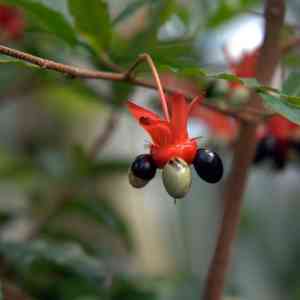
1
The Mickey Mouse plant is suitable for both classic and contemporary garden aesthetics.
2
This plant's attractive appearance evolves with the changing seasons.
3
Strategic positioning of the Mickey Mouse plant within a garden can significantly enhance the overall look of your outdoor space.
Introducing Landscaping with Ochna serrulata
Why select Ochna serrulata for your outdoor space?
Integrating Ochna serrulata into your garden provides a distinct mix of attractiveness and adaptability, making it an excellent option for various garden layouts. Its modest size ensures it blends well with other flora, and it flourishes in both full sun and partial shade, allowing for versatility in planting spots. The diverse visual appeal offered by Ochna serrulata's unique blooms and leaves will undoubtedly enhance your garden's overall look. Furthermore, Ochna serrulata is relatively simple to care for, tolerating different soil types and requiring minimal trimming.
Understanding the aesthetic charm of Ochna serrulata
Ochna serrulata is celebrated for its vivid blossoms and distinctive foliage, making it a visually appealing addition to any garden. The small, glossy leaves and bright flowers offer a contrast to other plants, creating an attractive focal point. The aesthetic value of Ochna serrulata is evident in its capacity to provide visual interest throughout the year, especially during its flowering season when its unique bloom structure adds a magical touch to the garden. Its adaptability to various design styles further boosts its desirability.
Integrating Ochna serrulata into Diverse Landscape Styles
Traditional garden designs and Ochna serrulata
Ochna serrulata fits perfectly into traditional garden designs due to its classic appeal and adaptable nature. When paired with conventional plant choices, such as roses or hydrangeas, it introduces an element of novelty without clashing with existing themes. In traditional gardens, Ochna serrulata can be utilized as an edging plant or in mixed flower beds, offering consistent foliage and seasonal blooms that complement other traditional garden elements.
Contemporary landscape styles with Ochna serrulata
The sleek, neat appearance of Ochna serrulata makes it an ideal candidate for modern landscaping. Its structured form and striking visual characteristics work well in minimalist and contemporary garden designs. Use Ochna serrulata in modern gardens to establish defined lines and focal points. It pairs beautifully with metallic garden sculptures or clean stone pathways, adding a touch of nature to modern, structured garden layouts. By incorporating Ochna serrulata with modern design elements, you can achieve a balanced and aesthetically pleasing outdoor area.
Incorporating Ochna serrulata into confined areas
Ochna serrulata is perfectly suited for small garden spaces due to its compact growth habit. It can be effectively used in container gardens, patios, or small urban yards where space is limited. Despite its smaller size, Ochna serrulata brings a significant impact with its vivid flowers and foliage. Even in restricted spaces, it can serve as a striking accent plant or a centerpiece in container arrangements. The versatility of Ochna serrulata ensures that even the tiniest garden can benefit from its aesthetic and practical appeal.
Seasonal Considerations When Using Ochna serrulata in Landscaping
Optimal times of year to plant Ochna serrulata
Planting Ochna serrulata is best done in spring or autumn when the weather is mild, allowing the plant to establish itself before the extremes of summer or winter. During these seasons, soil conditions tend to be optimal, providing good moisture retention and aeration. Planting in spring allows Ochna serrulata to take advantage of the entire growing season to develop a strong root system, while fall planting enables the plant to settle in cooler temperatures, preparing it for a burst of growth in the spring.
Maintaining Ochna serrulata's visual appeal throughout seasons
Ochna serrulata offers remarkable visual interest throughout the year, seemingly transforming with the seasons. In spring, its vibrant flowers are in full bloom. Summer showcases its glossy leaves against the backdrop of seasonal flowers. As autumn approaches, the foliage takes on richer hues, keeping the garden visually engaging even as other plants start to fade. Consistent pruning and care ensure that Ochna serrulata continues to thrive and provide beauty across all seasons, making it a reliable plant for maintaining garden appeal year-round.
Complementary Plants for Ochna serrulata in Your Garden Design
Plants that thrive alongside Ochna serrulata
Selecting companion plants for Ochna serrulata can enhance your garden's visual and ecological balance. Consider pairing Ochna serrulata with plants of similar soil and light requirements, such as azaleas or gardenias. These plants provide a complementary backdrop, with their own unique flowers and foliage creating a harmonious display. Additionally, ground covers like creeping thyme can be planted nearby to form a lush, green carpet that highlights Ochna serrulata's vibrant presence in the landscape.
Color schemes and texture combinations with Ochna serrulata
Creating visually appealing color schemes with Ochna serrulata involves pairing it with plants that contrast or complement its unique flowers and foliage. Shades of purple and blue flowers, such as lavender or salvia, contrast well with Ochna serrulata's vibrant hues. For texture variety, combining Ochna serrulata with ornamental grasses or ferns can provide an interesting mix of forms and densities. This combination not only enhances the garden's visual interest but also adds depth and diversity, making your landscape more engaging.
Visual Representation: Highlighting Ochna serrulata in Landscaping Plans
Placement strategies for maximum visual impact
Strategic placement of Ochna serrulata in your landscape design can maximize its visual impact. Position it in areas where it can serve as a focal point, such as near entryways, along walkways, or in central garden beds. Its vibrant flowers can draw the eye, creating delightful spots of interest. Consider the plant's height and spread when choosing its location to ensure it doesn't overshadow other plants but rather complements them. Proper placement ensures that Ochna serrulata enhances the overall flow and appearance of your garden.
Case examples of landscaped areas featuring Ochna serrulata
Various landscaping projects have successfully incorporated Ochna serrulata to achieve stunning results. In one case, a suburban garden utilized Ochna serrulata as a border plant along a curved pathway, creating a natural, colorful guide that welcomed visitors. Another example features a modern garden where Ochna serrulata was planted in geometric patterns within raised beds, its flowers adding bursts of color against the minimalist design. These examples demonstrate how Ochna serrulata's versatility and aesthetic appeal can be leveraged to create unique and beautiful garden spaces.



