Enhancing Your Garden Design with the Oleander Plant: A Landscaping Guide
1
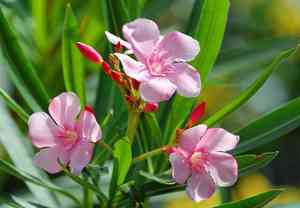
Oleander's vivid flowers can greatly enhance your garden's aesthetic charm.
2
Oleander adapts well to diverse weather conditions, fitting numerous garden settings.
3
Oleander needs little upkeep, ideal for gardeners with limited time.
Why Select Oleander for Your Outdoor Space?
Visual Appeal: Discuss the striking look of Oleander
A primary reason to incorporate Oleander into your landscape is its impressive visual impact. The vivid blossoms of Oleander come in various hues, from pinks and reds to whites and yellows, ensuring a shade to complement any garden. These flowers can persist throughout the growing season, offering continuous color and interest. Moreover, the rich green foliage of Oleander provides a beautiful contrast with the blooms, adding depth and texture to your garden.
Adaptability: Overview of Oleander's capacity to thrive in diverse environments
Another compelling reason to choose Oleander for your garden is its remarkable resilience. Oleander can flourish across a broad spectrum of climates, from subtropical to temperate zones. It is drought-resistant once established, making it a robust option for areas susceptible to dry spells. Furthermore, Oleander can endure poor soil conditions better than many other plants, provided it has adequate drainage. This versatility makes Oleander an excellent choice for gardeners seeking a flexible and tough plant.
Maintenance Advantages: Highlight the minimal care requirements of Oleander
For individuals with busy schedules or limited gardening expertise, Oleander is an ideal candidate due to its low maintenance needs. Once rooted, it requires minimal irrigation and can thrive with only occasional trimming to maintain its form and encourage new growth. Additionally, Oleander is relatively pest-resistant, reducing the necessity for frequent interventions. This makes Oleander a fuss-free option, allowing you to enjoy a beautiful garden without dedicating hours to upkeep.
Designing Your Garden with Oleander
Layout Concepts: Suggest placement and pairing with other flora
When planning your garden with Oleander, strategic placement is crucial for maximizing its aesthetic appeal. Consider utilizing Oleander as a background plant in garden beds to create a stunning backdrop for smaller, complementary plants. It can also be employed to form hedges or natural screens, offering both privacy and beauty. Combine Oleander with plants that feature contrasting foliage or bloom colors for a striking visual effect. For instance, the deep green leaves of Oleander pair wonderfully with silver-leafed plants or grasses that can introduce movement and texture.
Color Harmony: Tips on coordinating Oleander's hues with its surroundings
Color coordination is vital when integrating Oleander into your garden. The wide array of Oleander flower colors allows for imaginative combinations. If you prefer a unified look, you can select Oleander varieties that match the dominant colors of your garden. For a more dynamic appearance, consider blending Oleander blooms with contrasting colors to create a vibrant display. Additionally, use neutral tones as a backdrop to make the colors of Oleander stand out, ensuring they remain the central focus of your garden.
Seasonal Considerations: Optimal times of the year to plant Oleander
Timing your planting is essential for the successful development of Oleander. The best period to plant Oleander is in the spring after the last frost, allowing the plant to establish roots before the hot summer months. In regions with mild winters, autumn planting can also be effective, giving Oleander a head start for the subsequent growing season. While Oleander is adaptable, young plants exposed to extreme temperatures can struggle, so it's important to provide some protection, such as mulching, during their initial growth phase.
Common Issues and Solutions When Using Oleander in Landscaping
Managing Growth: Strategies to control Oleander's expansion
Oleander can grow quite vigorously, which is an advantage but can also be a challenge if not managed correctly. Regular pruning is key to controlling its spread and maintaining a neat appearance. Focus on removing any dead or weak stems to promote healthy growth. If you notice Oleander encroaching on other plants, consider root pruning or installing barriers to keep its growth in check. These practices will help maintain balance in your garden, preventing Oleander from overwhelming other plants.
Pest Prevention: Advice on deterring common pests
While Oleander is relatively pest-resistant, it isn't entirely immune. Common pests such as aphids and scale insects can sometimes pose a threat. To prevent infestations, regularly inspect your plants and remove any affected foliage. Introducing beneficial insects like ladybugs can naturally control pest populations. Additionally, maintaining healthy soil and proper watering practices can discourage pests, as stressed plants are more susceptible to infestations.
Weather Resilience: Preparing Oleander for diverse weather conditions
Preparing Oleander for varying weather conditions is crucial to ensure its longevity. In regions with harsh winters, provide a layer of mulch around the base to protect the roots from freezing. If you live in an area prone to heavy rainfall, ensure proper drainage to prevent root rot. Conversely, during prolonged dry periods, supplement with occasional deep watering. By taking these preparatory steps, you can help Oleander withstand the challenges posed by different weather patterns, keeping it healthy and vibrant year-round.
Innovative Applications of Oleander in Modern Landscaping
Creative Structures: Incorporating Oleander into garden sculptures and walls
In contemporary landscaping, Oleander can be utilized in inventive ways beyond traditional garden beds. For example, use Oleander to create living sculptures or topiaries, adding a unique artistic element to your garden. It can also be trained to climb trellises or garden walls, creating vertical green spaces that enhance the architectural features of your landscape. These creative applications not only beautify but also add a touch of sophistication and elegance to your outdoor space.
Eco-Friendly Approaches: Using Oleander to enhance sustainability in gardens
Incorporating Oleander into your garden can also contribute to sustainable gardening practices. Its drought tolerance means less water usage, making it ideal for xeriscaping or low-water gardens. Furthermore, Oleander can provide natural habitat and shelter for local wildlife, supporting biodiversity. By choosing Oleander, you can create a garden that is not only visually appealing but also environmentally conscious, promoting a sustainable lifestyle while enjoying the beauty of nature.



