Enhancing Your Garden Design with the Common swamp pitcher-plant Plant: A Landscaping Guide
1
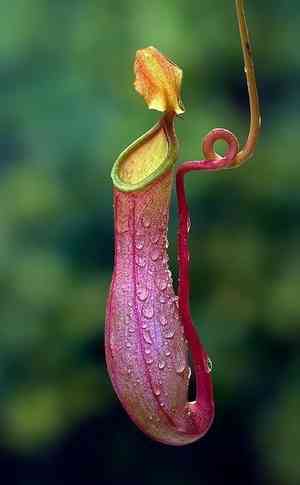
The Common swamp pitcher-plant offers a striking aesthetic to any garden through its distinctive form and vivid hues.
2
Choosing an appropriate site and knowing the soil and light requirements are vital for the vigorous development of your Common swamp pitcher-plant.
3
Regular upkeep, encompassing routine inspections and seasonal attention, is fundamental to ensure your Common swamp pitcher-plant flourishes in your outdoor space.
Understanding the Unique Appeal of Common swamp pitcher-plant
What Makes Common swamp pitcher-plant Stand Out in a Garden?
A defining attribute of Common swamp pitcher-plant is its alluring pitcher-shaped leaves. This distinct structure not only contributes an exotic flair but also serves a practical role, as these leaves are designed to capture and consume insects. Its vivid coloring, often a mix of greens, reds, and purples, provides a striking contrast against more conventional garden plants, positioning Common swamp pitcher-plant as an ideal focal point. Furthermore, Common swamp pitcher-plant introduces an element of biodiversity to your garden, attracting various insects and enriching the ecological balance of your outdoor area.
The Visual Impact of Common swamp pitcher-plant on Your Outdoor Space
Incorporating Common swamp pitcher-plant into your landscape introduces a visually engaging and textured element that can break the uniformity of standard foliage. The distinct forms and dimensions of Common swamp pitcher-plant draw attention, creating natural points of interest throughout your garden. When strategically positioned, these plants can accentuate specific zones or establish a thematic flow, guiding visitors through your outdoor environment. Whether situated along paths, near water features, or within a mixed border, Common swamp pitcher-plant elevates the aesthetic charm and sophistication of any garden design.
Initial Considerations Before Planting Common swamp pitcher-plant
Assessing the Right Location for Common swamp pitcher-plant in Your Landscape
Prior to planting Common swamp pitcher-plant, it's crucial to select a suitable spot within your landscape. These plants flourish in conditions that emulate their native marshy environments, so consider areas that can provide consistent moisture. Additionally, evaluate the potential for water retention in your chosen location to ensure it doesn't lead to oversaturation. Place Common swamp pitcher-plant in areas with partial sun to shaded regions, as direct sunlight can be too intense for its development. Prioritize spots that are shielded from strong winds to prevent harm to the delicate pitcher leaves.
Soil and Sunlight Requirements for Optimal Growth
For Common swamp pitcher-plant to thrive, it requires specific soil and sunlight conditions. Ideal soil should be acidic, well-draining, and rich in organic matter—consider utilizing a blend of peat moss and perlite or sand. Regular soil amendments can help maintain the appropriate pH and nutrient equilibrium. Regarding sunlight, aim for filtered light, replicating the diffused sunlight of its natural habitat. Excessive direct sun can scorch the leaves, while insufficient light will impede its growth. Ensuring the correct balance will support healthy and vigorous development of Common swamp pitcher-plant.
Designing Your Garden with Common swamp pitcher-plant
Crafting Color Contrasts and Textural Combinations
The vibrant tones and distinctive textures of Common swamp pitcher-plant can be utilized to create striking visual contrasts within your garden. Pair Common swamp pitcher-plant with plants that possess complementary colors to make each element stand out. For example, the deep reds and purples of Common swamp pitcher-plant appear captivating against green foliage or alongside pale-flowered companions. Experiment with various textures as well—combine the smooth, graceful lines of Common swamp pitcher-plant with the feathery or spiky leaves of grasses and perennials to add depth and intrigue to your garden design.
Integrating Common swamp pitcher-plant with Other Plant Species
Successfully integrating Common swamp pitcher-plant with other plant species involves comprehending their shared requirements and growth habits. Companion plants should have similar water and light needs to ensure a harmonious coexistence. Consider incorporating bog plants like Sarracenia, Drosera, or ferns that thrive in moist, shaded conditions. Establishing a theme such as a carnivorous plant garden can highlight the unique attributes of Common swamp pitcher-plant while offering a cohesive and informative planting scheme. This integration not only boosts visual appeal but also enhances the ecological diversity of your garden.
Practical Tips for Maintaining Common swamp pitcher-plant in Your Landscape
Routine Checks and Basic Upkeep Essential for Common swamp pitcher-plant
Regular maintenance is crucial for the health and longevity of Common swamp pitcher-plant. Perform routine checks to monitor the moisture level of the soil, ensuring it stays consistently damp but not saturated. Trim any dead or dying pitchers to stimulate new growth and prevent the spread of potential diseases. Fertilization is generally not required, as Common swamp pitcher-plant obtains most of its nutrients from captured insects, but occasional top dressing with acidic, nutrient-poor substrate can be advantageous. Watch for pests and apply appropriate treatments as necessary.
Seasonal Considerations to Keep Common swamp pitcher-plant Thriving
Seasonal changes necessitate specific adjustments in the care of Common swamp pitcher-plant. During colder months, ensure the plant is protected from frost by relocating it indoors or covering it with a frost blanket. In warmer seasons, increase humidity around Common swamp pitcher-plant by misting or placing it near a water source. It's also important to modify watering schedules to align with seasonal rainfall patterns, avoiding both drought stress and waterlogging. By adapting to the seasonal needs of Common swamp pitcher-plant, you can ensure it remains vibrant and healthy throughout the year.



