Enhancing Your Garden Design with the North's false flag Plant: A Landscaping Guide
1
North's false flag contributes a distinct visual charm to diverse garden designs.
2
Thoughtfully positioning North's false flag can accentuate walkways, establish central points of interest, and improve aquatic elements.
3
Understanding optimal planting periods and compatible flora for North's false flag can maximize your garden's attractiveness throughout the year.
An Introduction to North's False Flag in Garden Design
Understanding the distinctive beauty of North's false flag
North's false flag is recognized for its unique and captivating look, which can introduce an elegant and exotic flair to your outdoor space. Its long, arching leaves and delicate blossoms create a flowing, graceful impression that complements various garden styles. Its ability to integrate seamlessly into both formal and informal garden settings makes it a versatile option for many gardeners.
Why opt for North's false flag in your garden?
Selecting North's false flag for your garden offers numerous advantages beyond its visual appeal. This resilient plant requires relatively little upkeep, making it perfect for gardeners who prefer a 'set it and forget it' approach. Furthermore, North's false flag is known to attract pollinators, such as bees and butterflies, contributing to the overall health of your garden's ecosystem.
Integrating North's False Flag into Various Landscape Styles
Traditional gardens and the function of North's false flag
In traditional garden environments, North's false flag can serve as a refined and charming addition. It pairs well with classic elements like neatly trimmed hedges, topiaries, and symmetrical flower beds. Planting North's false flag in clusters along walkways or near garden entrances can create a welcoming ambiance that evokes timeless sophistication.
Modern landscapes and incorporating North's false flag
For contemporary landscapes, the sleek and structured form of North's false flag fits perfectly. It offers a striking contrast to minimalist design elements such as concrete, glass, and steel. Utilizing North's false flag in modern garden beds or as part of a mixed border can enhance the clean lines and open spaces characteristic of modern landscaping.
Cottage gardens: An ideal setting for North's false flag
In cottage gardens, where the aim is to cultivate a whimsical, romantic atmosphere, North's false flag excels with its natural, flowing shape. Its delicate blooms add splashes of color amidst dense, informal plantings. Placed alongside other perennials and shrubs, North's false flag blends beautifully into the lush, layered aesthetic that defines cottage garden style.
Strategic Placement of North's False Flag in Your Garden
Highlighting pathways with North's false flag
Using North's false flag to border garden paths is an excellent method to create a guided visual journey through your landscape. The plant's height and structure make it a natural edge that draws the eye along the path, emphasizing the walkway's direction and making strolls through the garden more enjoyable.
Creating focal points with North's false flag
To establish focal points, position North's false flag in key locations where its distinctive appearance will capture attention. This could be at the center of a flower bed, in a prominent corner, or as a standalone plant in a decorative container. The plant's striking foliage and flowers make it a captivating and intriguing centerpiece.
Enhancing water features with North's false flag
North's false flag thrives near water, making it an ideal choice for accentuating garden ponds, fountains, and streams. Its presence adds an exotic, tropical feel to water features, and the reflections of the plant in the water can create a mesmerizing effect. Ensure that it is planted in well-drained soil to prevent any waterlogging issues.
Seasonal Considerations for North's False Flag
Optimal times of year to plant North's false flag
The best times to plant North's false flag are during the spring and early fall when temperatures are moderate. Planting during these periods allows the roots to establish before the extremes of summer heat or winter cold arrive. Ensure that North's false flag receives ample water during its initial stages to encourage robust growth.
Seasonal blooming patterns of North's false flag
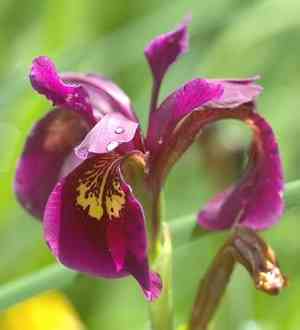
North's false flag typically blooms from late spring to early summer, producing delicate, iris-like flowers that can last for several weeks. During its blooming period, the plant requires regular watering and occasional feeding to sustain its vibrant display. After the blooming season, trim back the spent blooms to encourage new growth and maintain the plant's attractive appearance.
Companion Planting with North's False Flag
Selecting companions for North's false flag
When choosing companion plants for North's false flag, consider species that share similar light and water requirements. Good companions include other perennials like daylilies, hostas, and ferns which can complement North's false flag's form and foliage. Taller plants can provide some necessary shade, protecting North's false flag from direct, harsh sunlight.
Benefits of companion planting with North's false flag
Companion planting with North's false flag can offer numerous advantages, such as improved plant health and enhanced garden aesthetics. Companion plants can help to deter pests, attract beneficial insects, and create a more resilient garden ecosystem. Additionally, the diverse plant textures and colors can make for a visually appealing and cohesive garden design.



