Enhancing Your Garden Design with the Indian Lotus Plant: A Landscaping Guide
1
Indian Lotus flourishes optimally with ample sunlight, needing a minimum of six hours of direct sun each day.
2
Confirm that the growing medium is loamy and drains effectively for the best development of Indian Lotus.
3
Sowing Indian Lotus in the springtime enhances its chances for abundant flowering.
Introducing the Indian Lotus in Garden Design
A brief look at the Indian Lotus's visual appeal
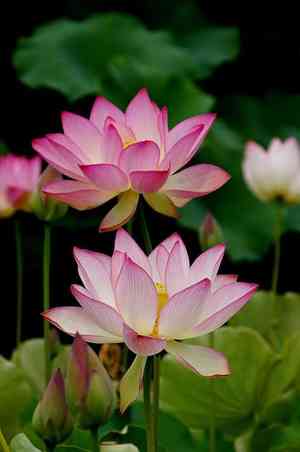
For enhancing your garden's allure and grace, the Indian Lotus shines with its exquisite flowers and abundant leaves. Its large, vivid blossoms, typically pink or white, create a striking display that can transform any garden area into a captivating haven. The broad, deep green foliage further boosts its charm, offering a lush backdrop that complements the flowers.
Understanding the symbolic meaning of the Indian Lotus
The Indian Lotus is more than just a beautiful plant; it holds profound symbolic meaning in many cultures. Often linked with purity, enlightenment, and rebirth, the Indian Lotus has been revered in spiritual and philosophical contexts for centuries. This rich symbolism can add depth to your garden, making it not only a visual delight but also a place for reflection and inspiration.
Selecting the Ideal Location for Indian Lotus in Your Garden
Assessing sunlight requirements
The Indian Lotus is a sun-loving plant, and ensuring it gets ample sunlight is vital for its development. Position it where it can receive at least six hours of direct sunlight daily. This will not only help the plant flourish but also ensure that the flowers bloom to their fullest, adding vibrant color to your garden.
Soil conditions and water availability
The Indian Lotus prefers loamy, well-drained soil that retains moisture without becoming waterlogged. If your garden soil is heavy clay, consider enriching it with organic matter to improve drainage. Additionally, ensure your Indian Lotus has access to sufficient water. Regular watering, especially during dry periods, will keep the soil consistently moist, promoting healthy growth and flowering.
Space considerations for optimal growth
When planting Indian Lotus in your garden, it's crucial to provide ample space for its expansive growth. Each plant can spread its leaves over a wide area, so spacing them appropriately will prevent overcrowding and ensure they receive adequate sunlight and air circulation. Plan your garden layout to accommodate the mature size of Indian Lotus, allowing each plant sufficient room to thrive.
Integrating Indian Lotus with Other Plants
Companion plants that flourish alongside Indian Lotus
To create a harmonious garden landscape, consider pairing Indian Lotus with plants that have similar growing needs. Water-loving plants like water lilies, cattails, and irises can complement the Indian Lotus's aesthetic while thriving in the same conditions. The contrasting textures and colors of these plants can create a visually dynamic and cohesive garden design.
Avoiding plant conflicts: What not to pair with Indian Lotus
While integrating Indian Lotus with other plants, it's crucial to avoid species that could compete for resources or have vastly different care requirements. Plants that prefer dry conditions or require significantly different soil pH levels may not be suitable companions for Indian Lotus. Additionally, avoid planting aggressive species that could outcompete Indian Lotus for sunlight and nutrients, ensuring all your garden plants coexist harmoniously.
Seasonal Considerations for Indian Lotus
Optimal time of year to plant Indian Lotus
The best time to plant Indian Lotus is in the spring when the ground has warmed sufficiently. Planting in the spring allows Indian Lotus to establish its root system and begin growing during the ideal conditions of late spring and summer. This timing maximizes the plant's ability to produce beautiful blooms and robust foliage throughout the growing season.
Seasonal care tips to enhance flowering
To ensure Indian Lotus blooms vibrantly, adjust your care routine according to the season. In the spring and summer, focus on regular watering and feeding with a balanced fertilizer to support vigorous growth and flowering. In the fall, prepare Indian Lotus for the colder months by cutting back dead foliage and covering the plant base with mulch to protect it from frost. This seasonal care will keep your Indian Lotus healthy and blooming beautifully year after year.
Utilizing Indian Lotus for Garden Aesthetics
Creating focal points with Indian Lotus
Use Indian Lotus to create stunning focal points in your garden. Planting Indian Lotus in strategic locations, such as near water features, at the center of garden beds, or along walkways, can draw the eye and create a sense of balance and harmony. Its captivating blooms and architectural foliage make Indian Lotus an excellent choice for adding visual interest and defining spaces within your garden.
Using Indian Lotus's colors to influence garden mood and style
The colors of Indian Lotus blossoms can significantly influence the mood and style of your garden. Soft pinks and whites can create a tranquil and serene atmosphere, perfect for a meditation garden or a relaxing outdoor retreat. By thoughtfully incorporating Indian Lotus's hues into your garden design, you can create a cohesive and visually pleasing landscape that evokes the desired emotional response from visitors.



