Enhancing Your Garden Design with the Wild daffodil Plant: A Landscaping Guide
1
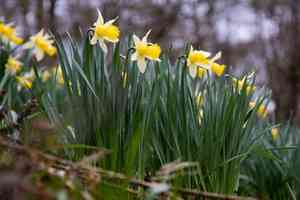
Narcissus pseudonarcissus introduces vivid hues to your outdoor space in springtime.
2
This variety of daffodil flourishes optimally in soil that drains effectively, under conditions ranging from full sun to partial shade.
3
Incorporating Wild daffodil alongside perennial plants and other seasonal flowering species can ensure continuous visual appeal throughout the year.
Appreciating the Aesthetic Contribution of Wild Daffodil in Landscaping
Emphasizing the distinctive allure of Wild daffodil
Wild daffodil distinguishes itself in any outdoor setting with its bright, cheerful colors and unique trumpet-shaped blossoms. Its individual form and vivid shades easily draw attention, creating focal points within your landscape. Whether planted in groups or as single specimens, the sight of Wild daffodil blooming can evoke feelings of happiness and the arrival of spring.
Seasonal presence and its enrichment of outdoor areas
Wild daffodil is among the earliest bloomers of spring, often flowering before other plants emerge from their winter dormancy. This early appearance can invigorate your garden with much-needed color and vibrancy after months of drab and muted scenery. By signaling the close of winter, Wild daffodil imparts a refreshing new look to your garden, transforming it into a lively and inviting space.
Color and shape integration into diverse garden styles
The bright yellow flowers of Wild daffodil can be effortlessly incorporated into various garden aesthetics, from formal to relaxed designs. In more structured gardens, Wild daffodil can be utilized to highlight patterns and borders. In cottage or wildflower gardens, it can blend harmoniously with other vibrant and free-spirited flora. Its adaptable color and form make it an outstanding choice for gardeners aiming to craft varied and visually pleasing layouts.
Optimal Locations for Cultivating Wild Daffodil in Your Garden
Evaluating light and shade requirements
Wild daffodil thrives in spots receiving full sun to partial shade. It's crucial to select a garden area where it can obtain at least six hours of sunlight daily. However, some afternoon shade can be advantageous, particularly in warmer regions, to prevent the blooms from wilting prematurely. Ensuring the correct balance of light guarantees that Wild daffodil will grow robustly and produce abundant flowers.
Soil type considerations for prime development
Wild daffodil favors well-drained soil rich in organic matter. Before planting, it's wise to amend the soil with compost or other organic materials to enhance its fertility and drainage capabilities. Avoid areas with heavy clay soil or spots prone to waterlogging, as excessive moisture can lead to bulb decay. A slightly acidic to neutral pH will support the healthiest growth for Wild daffodil.
Proximity to other vegetation and architectural elements
When planning Wild daffodil placement, consider its nearness to other plants and garden features. Positioning Wild daffodil near early-flowering shrubs or along pathways can create stunning visual displays. Avoid planting too close to large trees or dense shrubbery that might compete for nutrients and water. Additionally, Wild daffodil performs well when used to edge garden beds or to highlight garden sculptures and fountains.
Methods for Continuous Enjoyment of Wild Daffodil Throughout the Year
Harmonizing Wild daffodil with seasonal bloomers
To maximize your garden's seasonal appeal, synchronize the planting of Wild daffodil with other seasonal flowering plants. Pairing Wild daffodil with early spring perennials like tulips or hyacinths can create a succession of vibrant color. This approach ensures that as one flower type fades, another is ready to emerge, maintaining uninterrupted visual interest.
Employing Wild daffodil in conjunction with perennial shrubs
Combining Wild daffodil with perennial shrubs can add structure and depth to your garden design. Shrubs with varying blooming periods, such as azaleas or rhododendrons, can complement the spring explosion of Wild daffodil. This pairing not only fills the garden with beauty but also provides a range of textures and heights, making the garden more dynamic and captivating.
Sustaining visual allure during the dormant season
While Wild daffodil itself may not bloom year-round, you can maintain garden appeal during its off-season by planting complementary foliage or using garden decorations. Evergreen plants or shrubs with colorful bark can offer a backdrop and structure once Wild daffodil has finished flowering. Mulching and adding garden accessories like sculptures or bird baths can also keep the garden visually pleasing even when blooms are absent.
Integrating Wild Daffodil into Thematic Garden Designs
Cottage garden applications for Wild daffodil
Wild daffodil fits perfectly into cottage garden designs, where its informal charm enhances the naturalistic and relaxed style of these gardens. Plant Wild daffodil in expansive groups and clusters alongside other cottage favorites like hollyhocks and foxgloves to create a picturesque, storybook garden scene that thrives on spontaneity and color.
Crafting contemporary landscapes with Wild daffodil
While traditionally associated with more classic garden styles, Wild daffodil can also contribute to modern landscape designs. Use it to introduce bursts of color against minimalist backgrounds or in containers for a contemporary patio garden. The simplicity of its form can balance the geometric lines and sleek textures often found in modern garden design, offering a touch of softness and vibrancy.
Historical and cultural themes enriched by Wild daffodil
Incorporating Wild daffodil into historic or culturally themed gardens can underscore the plant's traditional associations and enduring appeal. Use it in gardens inspired by historical periods or literary themes to impart authenticity and continuity. Wild daffodil can evoke the charm of classical gardens and the elegant simplicity of past eras, adding depth and historical resonance to your green space.



